




Stop the Climb or Trek: Top 30 Red Flags You Need to Know
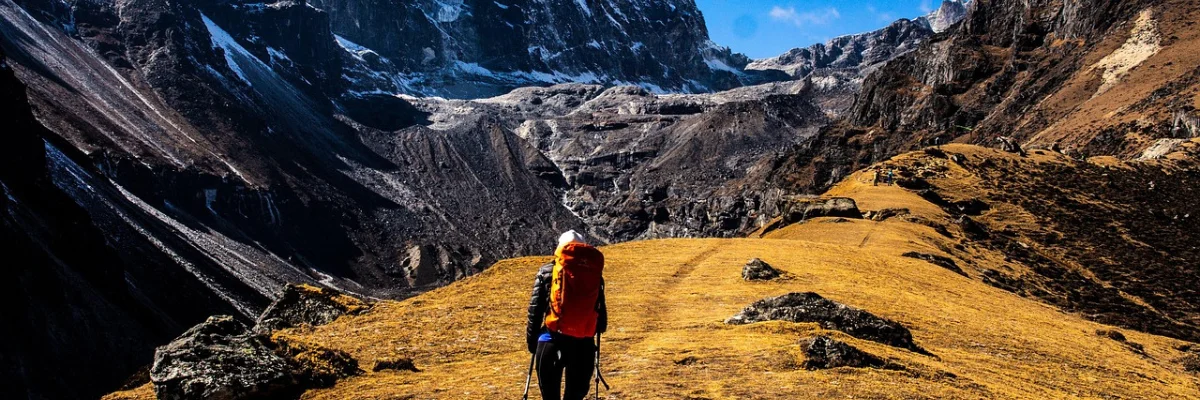
Have you ever been on a tiring trek and so messed up and confused that you don’t even know if you are pushing or ignoring red flags to stop? Knowing when to stop the climb or trek can save you from so much damage to your health. In this article, you will know when to stop the exhausting climb or trek before its too late.
Why is so Important to Know When to Stop the Climb or Trek?
Knowing when to stop the climb or trek is one of the most important decisions in the mountains. Nature is powerful and unpredictable, where weather shifts fast, trails vanish in fog and snow, and the body may suddenly feel too weak to go on.
In such moments, pushing forward can be dangerous. It takes strength to continue but wisdom to pause or turn back. Sometimes, the summit or final stop feels close, yet conditions say otherwise.
Uncertainty is part of every climb or trek and in high altitudes, clear skies can turn invisible, and steady paths can become slippery traps. That’s why listening to your body, your guide, and the mountain is key.

Stopping doesn’t mean failure; it means choosing safety over pride, life over risk. Many experienced trekkers have walked away from their goals to return stronger and wiser another day.
It’s not about how far you go but how well you read the signs. In the extreme situation, knowing when to stop is as crucial as knowing when to start.
Top 30 Red Flags You Need to Know About When to Stop the Climbing
These 30 warning signs will educate you somewhat about why stop and have second thought about yourself.
Weather
Sudden storms, whiteouts, or fast-dropping barometers signal dangerous weather. Stop if thunder roars, dark clouds gather fast, or lightning strikes nearby.
Temperature
If temperatures fall below freezing for extended hours, it increases the risk of frostbite or hypothermia, especially with wind chill. Your climbing guide can read this signal and will command you to descend to the camp.
Icefall
Stop immediately if large icicles or seracs are cracking, falling, or sounding unstable. Avoid early morning and midday crossings when ice is loosest and chances of icefall is real.
Frostbite
If you notice someone’s fingers, toes, nose, ears or body part turn pale, numb, waxy or blue, you have to stop and seek warmth and treatment.
Avalanche
Stop if signs appear like fresh avalanche debris, cracks in snow around boots, hollow or whumping sounds, recent heavy snowfall or rapid warming and snow layers sliding or shifting underfoot.
Landslide
Stop if the slope shows wet soil, tilting trees, or falling debris. Rain-triggered landslides often follow continuous downpours.
Soil erosion:
If the trail is narrow and slippery with crumbling soil, or if rocks start giving way, stop and reassess.
Herd of domestic animals
If you encounter a herd of domestic animals like goats, sheep, and yak, avoid disturbing them by stopping because once they scatter in the wild, it’s hard for a shepherd. They might even attack if you disturb them too much.
Lightning
Crouch low, stay dry and seek shelter if you notice lighting and avoid open ridges, tall trees or metal gear.
Strong winds
If the wind throws off your balance or sends debris flying, stop. Walking on ridges becomes deadly in high winds.
Hailstorm
If you continue your trek even during a hailstorm, it can injure you and reduce your visibility. If it begins, take cover under a rock or sturdy tree until it passes.
Altitude Sickness
If symptoms of altitude sickness occur, which are headache, nausea, dizziness or breathlessness, stop and talk to your guide or descend lower.
Rockfall
If you notice rock falls or freshly fallen rocks, then stop, retreat or reroute the cause.
Sick team member
Suppose you notice your teammate showing symptoms of altitude sickness. That’s double trouble. Immediately stop and descend.
Diarrhea
If the diarrhea is severe and continuous, especially with weakness or vomiting, then stop and hydrate. Dehydration is dangerous at altitude.
Injury
Any sprain, cut, or fracture that affects movement requires a pause or emergency exit.
Gone astray or confused
If you are lost or confused about the trail, stop and, if possible, go to nearby villages and consult.
Signs of Infection
Swelling, pus, redness, or fever after a cut or blister? Infection can spread fast. Rest and medicate.
Improper equipment
Broken trekking poles and torn shoes can be risky to walk with, stop and either fix or have new equipment.
Wrong Permit
If your permit doesn’t match the route, stop. Rangers may fine or detain. Verify at checkpoints.
Wild animals
If monkeys or other wild animals. threaten or approach, don’t feed or react. Back away slowly and wait for them to leave.
If the dog barks or chases
If aggressive or barking attacks you, don’t run; just stop. Stand your ground calmly or use poles to defend if needed.
Flooded bridge
If you come across strong currents or a bridge submerged? Stop. The risk of drowning is high. Wait or reroute.
AMS (Acute Mountain Sickness)
AMS (Acute Mountain Sickness) causes headache, dizziness, and loss of appetite which is mild but important signs that your body is struggling to adapt and needs careful attention.
HAPE (High Altitude Pulmonary Edema)
It causes wet cough, breathlessness at rest, and chest tightness which are serious signs of fluid in the lungs that demand immediate stoppage your climb and descent.
HACE (High Altitude Cerebral Edema)
Confusion, poor coordination, hallucinations, and coma are signs of HACE which are life-threatening and require you to stop and descend without delay.
High fever
If you have over 102°F / 39°C fever, especially with chills, aches, or confusion, then stop. It could be infection, dengue, or altitude-related.
Whiteout or near-zero visibility
Stop moving during whiteout. Visibility under 5 meters is disorienting, and it is risky so, wait until it clears.
Trail washed out / snowed in / landslide-blocked
If the path is gone because of a landslide, buried under snow, or unstable, stop. Try alternate routes, wait until that trail is clear or return.
Panic attacks
Fast breathing, chest pain, or freezing in fear? Stop. Support calmly and rest.
Understanding the Risks of Trekking and Climbing at High Altitudes
Trekking and climbing at high altitudes like Everest Base Camp present great risks that require awareness and prompt decision-making. High altitudes involve a complex mix of environmental, physical and logistical challenges that can escalate rapidly.
There are so many problems that you come across apart from the above-mentioned problems. The thin air impacts your digestion, sleep and stamina, which often leads to fatigue and poor judgement.
Not carrying proper eyewear or skin protection increases the risk of sunburn and snow blindness due to exposure to high UV rays. Some remote trails have no communication networks, which makes it hard to call for help during emergencies.
River crossings become dangerous after heavy rain or glacier melt, with unstable bridges or high currents posing drowning risks. Poor trail markings or snow cover can cause even experienced trekkers to lose their path, increasing the risk of accidents or getting stranded.

Dehydration is common due to dry air and heavy exertion, but drinking contaminated water leads to stomach issues like giardiasis or bacterial infections.
Sudden changes in terrain, such as hidden crevasses or loose scree, require constant attention. Cultural missteps, like disrespecting local customs or entering restricted zones without permits, can result in conflict or fines.
Managing gear, navigation, health, and respect for local ecosystems and knowing when to stop the climb or trek is critical for a safe and responsible high-altitude journey.
What to do After Deciding to Stop or Descend?
Once you decide to stop or descend during a high-altitude trek or climb, follow these clear, step-by-step actions to ensure safety and recovery:
Communicate Immediately
Alert your team and guide the decision. Also, make sure that all agree and that they understand the plan.
Find a Safe Spot
Stop in a safe location away from rock falls, avalanches, or steep drops. Stay clear of valleys and areas prone to avalanches.
Stay Calm and Organized
Reassure all team members. Panic only serves to aggravate health issues and impair judgment.
Check up on the Affected Person
Monitor respiration, hydration, and level of consciousness. Administer medication if trained to do so (like Diamox for AMS).
Start Descending Slowly but Surely
Do not rush. Going slowly to a lower altitude of 500 to 1,000 meters is usually enough to relieve symptoms.
Preserve Energy and Warmth
Add different layers of clothings, stay hydrated, and have light snacks every hour to maintain energy.
Avoid Further Risks
Do not take the shortcuts or cut corners if you don’t know the trails inside out. Stay on the main paths even if they are longer.
Seek Help If Needed
Use of satellite phone, GPS messenger, or contact local lodges and rescue teams if the condition deteriorates or evacuation becomes necessary.
Document the Incident
Track down symptoms, time when it firstly occurred, and what you did, which in turn will help during medical evaluation or for future planning.
Rest and Recover
After your descent, don’t rush to start over again, have a rest for at least 24-48 hours before you make any new trek plans.
Prevention Tips: Staying Safe Before It Gets Dangerous
To avoid reaching a point where you must stop the climb or trek, follow these prevention tips rooted in safety and awareness:
Acclimatize Properly
Ascend gradually and do the proper acclimatization. Follow the “climb high, sleep low” rule and take rest days every 600–800 meters (1,968.50 – 2,624.67 ft) of altitude gain.
Monitor Your Body
Watch for early signs of AMS (Acute Mountain Sickness), headache, nausea, or dizziness. Don’t ignore even mild symptoms.
Check Weather Forecasts Daily
Avoid trekking during storms, heavy snow, or high wind alerts. Postpone if the forecast is unstable.
Gear Check Before Starting Your Journey
Ensure boots, poles, jackets, and emergency kits are in perfect condition. Damaged gear can force early descent.
Hydrate and Eat Well
Drink 3–4 liters of water daily. Eat high-energy, digestible meals to maintain stamina and prevent fatigue.
Use Sun and Wind Protection
Wear UV sunglasses, sunscreen, windproof layers, and gloves to prevent sunburn, frostbite, or hypothermia.
Carry Proper Navigation Tools
Use GPS, map, and stay on marked trails. Avoid shortcuts or unfamiliar routes that could lead to danger.
Respect Altitude Limits
Know your limits. Avoid pushing beyond 5,000 meters (16404.2 ft) if you don’t have high-altitude experience.
Follow Local Advice
Listen to guides, locals, or porters. Their insights on weather, wildlife, or terrain can prevent serious mistakes.
Know When to Turn Back
Be mentally prepared to stop. Safety must always come before summits.
Conclusion
Stopping a climb or a trek is not a sign of weakness. It is of wisdom and strength. Mountains do not give out rewards to risk-takers; they honour those who pay attention to their body’s signals, check the weather, and know their limits.
Choosing to descend or stop when faced with danger, be it altitude sickness, injury, or bad weather, can save lives. Pushing forward in the face of warning signs usually results in an emergency or tragedy.
Trekking is not a competition to reach the top; it is a test of coming back home safe and enjoying nature without hurt. Each experienced climber knows that a wise turnback is the key to success.

There is no shame in choosing safety over the summit. In fact, it is a sign of great courage, responsibility, and respect for the mountain. Whether you stop for health, safety, or natural unpredictability is a smart decision, not a failure.
True adventurers know when to go up and, more importantly, when to call it a day. Stopping the trek may be the most heroic choice you make on the journey.
Loading...
related post


Author

Bryan BK is a storyteller at heart and an adventurer by soul. As a passionate writer and traveler, he finds inspiration in the places he visits and the people he meets. Through his words, he brings destinations to life, sharing experiences that inspire others to explore, dream, and discover.


Leave Your Comment