




How to Handle Trekking Injuries on the Trail in Nepal?
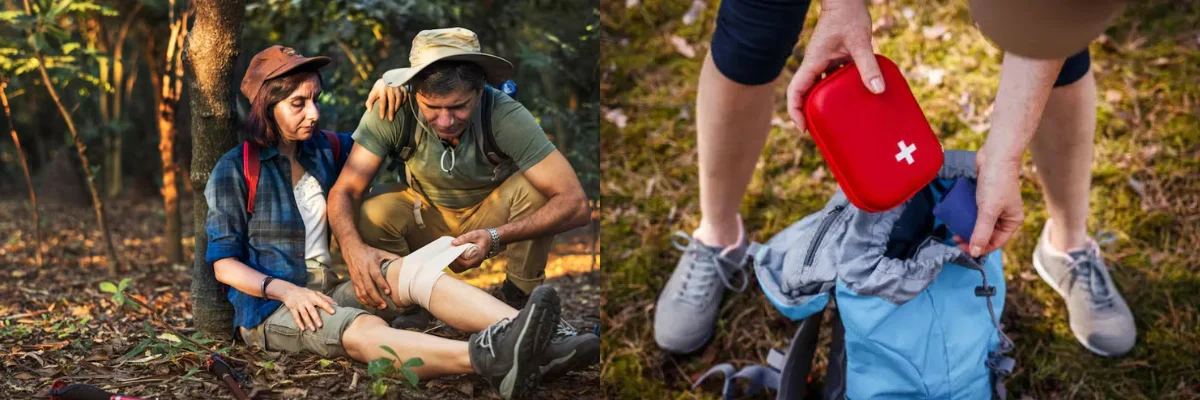
Have you ever been on a trek and built up an injury? Trekking injuries are unavoidable, especially when doing long-duration high-altitude treks like the Manaslu Circuit Trek. You cannot avoid these injuries, but knowing how to handle them on the trail can be a game changer.
Why Trekkers Get Hurt?
The human body is constantly changing and very vulnerable to outside threats. The human body is vulnerable due to its soft tissues, vital organs and limited protection against force.
In high altitudes, threats double up because the degree of uncertainty increases. Altitude sickness, natural hazards and accidents are very common.
Trekking in high altitude slopes comes with numerous threats apart from its exciting and therapeutic aspect. Apart from deadly accidents, there are numerous trekking injuries that mar your entire experience.
Poor conditioning, inadequate gear, and lack of awareness increase injury risk. Preventive measures include gradual ascent, hydration, protective clothing, proper footwear, and physical preparation before trekking.
Following is the list of the trekking injuries that are very common during the trek, and find out how they are caused.
Blisters and chafing
Blisters are caused by ill-fitting boots, wet socks and long-duration descent. The type of trekking boots you wear is a big player in whether you will have blisters or not.
Chafing is caused by constant rubbing of skin against each other and fabrics that don’t wick away moisture and ill-fitting clothing.
Ankle or knee sprain
The sprains are caused by constant walking on uneven trails, sudden slips and carrying heavy loads.
Cuts and scrapes
Cuts and scrapes happen on treks due to accidental contact with sharp rocks, thorns, branches, or rough terrain, often combined with slips, falls, or poor visibility, while exposed skin and inadequate protective clothing increase the risk of superficial injuries.
Muscle Strain
It happens due to repeated overuse of muscles, sudden movements or carrying heavy loads on uneven trails, which overstretches or tears muscle fibres, especially when the body is fatigued, improperly warmed up, or subjected to unfamiliar or intense physical.
Sunburn and Dehydration
Sunburn and dehydration happen on treks due to prolonged sun exposure at high altitudes, where UV radiation is stronger and air is drier. Causing skin damage without protection and rapid fluid loss through sweat and respiration without adequate water intake.
Altitude-related sickness (AMS)
It happens on treks when ascending rapidly to high elevations, where lower oxygen levels reduce blood oxygen saturation, causing the body to struggle with acclimatization, leading to symptoms like headache, nausea, and fatigue due to hypoxia and fluid imbalance.
Immediate Response For Trekking Injuries: The “T.R.E.K” Rules
When trekking in Nepal’s rugged mountains, injuries can happen unexpectedly. That’s where the “T.R.E.K” rule becomes a lifesaver, which offers a quick, effective response in remote areas.
T – Take stock of the situation: Pause immediately after an injury. Check the surroundings for risks like falling rocks or unstable ground. Assess the injury and your group’s condition before acting.
R – Rest & Reduce strain: Stop walking. Continuing can worsen even minor injuries like sprains or strains. Reduce the weight on the injured area. Use support if available.
E – Elevate and Evaluate: If there’s swelling, elevate the injured part above the heart level to reduce inflammation. Carefully evaluate the extent—bruising, swelling, or abnormal limb position could signal a serious issue.
K – Keep it clean & bandaged: Use clean water to rinse out wounds. Dirt and sweat can easily infect cuts on the trail. Bandage using sterile material from a first-aid kit.
In Nepal’s high-altitude terrain, medical help can be hours away. This rule gives you time to prevent further damage until professional care arrives. TREK isn’t just a rule; it’s a survival mindset in the Himalayas.
First Aid Kit Essentials for Common Trekking Injuries
Having a first aid kit in your trek can be a lifesaver, and know how to use it. A well-equipped first aid kit is crucial on treks, helping manage injuries, and prevent infections.

Helps handle altitude issues when medical help is far away, ensuring safety and preparedness in remote areas. Remember to include the following things in your kit.
Antiseptic wipes/Betadine: Used to clean wounds quickly on dusty trails, reducing the risk of infection in remote Himalayan areas.
Blister plasters: Prevent and cushion painful blisters caused by long hikes in tough boots on rough Nepali terrain.
Elastic bandage: Supports twisted ankles or sprained knees from steep or rocky trails, helping reduce swelling.
Medical tape and gauze: Covers cuts or scrapes from falls, keeping wounds clean and protected until help is available.
Painkillers (Paracetamol, ibuprofen): Useful for headaches from altitude, sore legs, or inflammation after long trekking days.
Rehydration Salts: Replaces fluids and salts lost through sweating or diarrhea, common in Nepal’s heat and high altitudes.
Antibiotic ointment: Prevents infections in minor wounds or scratches exposed to dirt and leeches on jungle or alpine trails.
Tweezers and scissors: Help remove thorns, splinters, or ticks from the skin and cut dressings to size.
Diamox (for altitude sickness, with doctor’s advice): Helps prevent or manage AMS when ascending rapidly in high-altitude zones like Everest or Annapurna.
Trekking Injury Prevention Tips
Injury prevention during trekking requires proper gear, warm-up routines, hydration, load management, and trail awareness to reduce risks of sprains, blisters, muscle strain, and altitude-related conditions in challenging environments.
Foot and Leg Safety
- Break in hiking boots at least two weeks before your trek to avoid blisters.
- Wear moisture-wicking, high-cushion socks to reduce friction and dampness.
- Use trekking poles on descents to reduce the impact on knees and ankles.
- Stretch calves, hamstrings, and ankles each morning and after long walks.
- Clip toenails short to prevent pressure and black toenails on downhill routes.
Back and Shoulders
- Keep backpack weight between 10–12 kg, carrying only what’s essential.
- Adjust shoulder, chest, and hip straps properly to balance weight distribution.
- Use hip belts to transfer most load from the shoulders to the hips and core.
- Take short breaks to relieve back pressure during long ascents.
General Health and Hydration
- Drink 3–4 litres of water daily to avoid dehydration and help with altitude acclimatization
- Eat carbohydrate-rich foods with enough salt to sustain energy and maintain electrolyte balance.
- Avoid alcohol and smoking, especially at elevation, as they worsen dehydration and AMS risk.
- Carry oral rehydration salts or electrolyte tablets for added hydration support.
Emergency Situations: When to Seek Help
Common trekking injuries can be treated on the spot or with some rest, but there are some injuries that can escalate and put your life in danger. Call for assistance or descend immediately if you experience the following dire situations.

- Severe swelling or inability to walk
- Deep bleeding that doesn’t stop
- Persistent chest pain or shortness of breath
- Vomiting or severe headache (signs of Acute Mountain Sickness)
- Disorientation of slurred speech
- Your guide or porter should be trained in first aid and can help with evacuation or call a rescue helicopter if needed.
Emergency Contacts in Nepal
If serious trekking injury happens on your trek, you can either screenshot or note down the following emergency contact numbers.
- Tourist Police: +977-14247041
- Himalayan Rescue Association: +977-1-4440292
- Helicopter Companies (Air Dynasty, Simrik, etc.): whatever number is on your travel insurance.
Loading...
related post


Author

Bryan BK is a storyteller at heart and an adventurer by soul. As a passionate writer and traveler, he finds inspiration in the places he visits and the people he meets. Through his words, he brings destinations to life, sharing experiences that inspire others to explore, dream, and discover.


Leave Your Comment