




What Are Teahouses Like on Nepal’s Himalayan Treks?
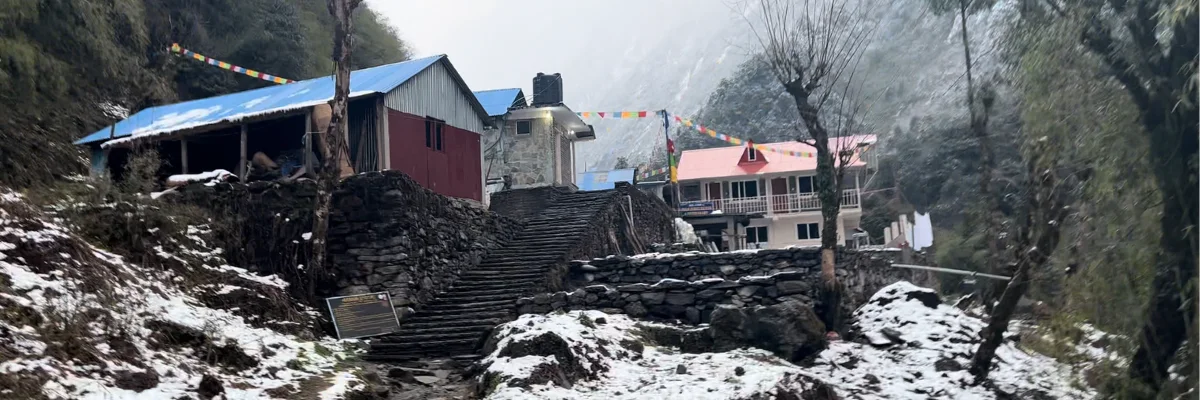
Ever heard of a cozy place in the Himalayas where tired trekkers find warmth, food and stories? They are called teahouses, and teahouses in Nepal play a huge role in the trekker’s journey.
Trekkers spend time in teahouses to recharge, refresh and refuel after longer hours of trekking. Teahouse aren’t just resting spot but it is part of your trek which adds joy to it. We will look into the details of what teahouses in Nepal are like, what they provide and what is experience like.
What are Teahouses in Nepal?
In the trekking world, teahouses aren’t fancy hotels or resorts.
They are family-run lodges built by locals along popular mountain trails like the Everest Base Camp Trek. These teahouses are usually located above 2000 meters (6561.68 ft).
Long ago, when trails weren’t as commercialized as they are now. They used to be small huts serving just warm tea and soup to passing travelers, and over time they have grown into full-fledged lodges offering delicious Nepali traditional meals along with western cuisines and lodging.
The word “Teahouse” doesn’t just mean a place for tea. It means home away from home in the Himalayas. These lodges have a dining hall, small private or shared rooms, and usually a shared toilet outside the room.
Many are built from wood or stone, often with thin walls, wooden floors, simple beds and blankets. These teahouses aren’t fancy, but they provide everything that helps you refuel, refresh and recharge.
You are welcomed like a guest, not a customer. Locals cook meals, share their tea, and sometimes you get to hear stories from old people with broken English.
From Langtang to Annapurna, the teahouse is a key part of trekking culture. They keep costs affordable and let you truly experience the Nepali mountain life. Teahouses in Nepal are part of the journey.
Whether you are sipping tea or huddling near the kitchen stove with other trekkers, these spaces are more than shelter. You will know once you start trekking in Nepal.
What Are the Rooms and Beds Like in Nepal’s Tea Houses?
Step into a teahouse and you will find rooms that are basic but just enough to rest your tired legs. Most teahouses have small twin rooms which have two single beds with thin mattresses, a pillow and a blanket. Some offer double beds for couples.
Don’t expect heaters or insulation; walls are usually thin wood or plywood. The floor may be smoothened with mud and dung mix (tradition) or covered with simple linoleum or wooden floor.

These teahouses get cold at night, especially above 3000 meters (9842.52 ft). So, having a warm sleeping bag rated for -10°C will be helpful. Bedsheets, pillowcases and blankets are reused during busy seasons, so a sleeping bag liner or your own pillowcase helps.
There are no wardrobes or furniture, just a bed and sometimes a small table or shelf. Windows may or may not have curtains, and doors usually have a simple latch or lock. Teahouses in Nepal are simple, cozy and safe. It is a quiet space to rest and recharge.
Bathrooms
Tea house restrooms are very basic and often shared. In most lodges, you’ll find squat or Western toilets which are outside of rooms, usually at the end of the hall or in a separate block.
We see hot showers in many places, but they tend to cost extra and run on gas or solar. In cold regions, the water may freeze or become lukewarm very quickly. Also, soap, toilet paper and towels are not provided; bring your own.
In some locations, which are lower in altitude, you may have attached bathrooms, but in the higher altitudes, like in Dingboche or Thorong Phedi, what you will get is very simple. The level of cleanliness also depends on how remote the lodge is and how many people use it.
Menus In Nepal Teahouses
Every tea house offers a similar menu set by local trekking committees. The food is freshly made, with options like Dal Bhat (lentils, rice, curry), fried noodles, Tibetan bread, Momos, pancakes, soups, and spaghetti.

Breakfast includes eggs, porridge, toast, and tea. Western dishes are available, but the taste may be local. The meals are filling, hot, and perfect for tired trekkers.
Types of Tea
Tea in Nepal is not just a drink; it is a warm element of every trekker’s day. We see many types of tea being served in teahouses along the trekking routes, each with its own story and taste.
Sherpa tea, which is usually prepared with black tea, salt and butter (at times yak butter), is very calorie-dense and great for cold days at high altitudes.
Also very popular is the Nepali masala tea, which is made with black tea, milk, sugar and warming spices like cardamom, ginger and cinnamon. It is sweet, comforting and flavoured.

Yak butter tea, which comes from Tibetan culture, has a creamy, salty taste. At first, it may seem unusual, but it does help with hydration and altitude acclimatization.
You will also find lemon tea, ginger tea, green tea and mint tea, all of which are very soothing and great for digestion. Tea is more than just a refreshment; it is comfort, culture and connection in the mountains of Nepal.
Dietary Options you can choose in Nepal Teahouses
Nepal’s tea houses serve up basic but very satisfying food. Though menus do vary by region a great deal, most still manage to cater to different dietary requirements.
Vegetarian-friendly: Most meals are plant-based, like dal bhat, vegetable curries, and fried rice.
Vegan options: Available in lower altitudes; just ask to skip ghee, egg, or milk.
Gluten-free: Possible with rice, lentils, and potatoes, but cross-contamination may happen.
Meat dishes: Chicken and yak meat are sometimes available in larger teahouses.
Egg-based meals: Boiled eggs, omelettes, and pancakes with egg are common breakfast picks.
Snacks: Popcorn, chapati, boiled potatoes, and Tibetan bread are filling and light.
International meals: Pasta, noodles, toast, and fried items are common, especially in touristy stops.
In most cases, we find meals that are filled with carbs, which fuel long walks. Also, let the kitchen know of your dietary requirements; they’re used to serving trekkers from all over the world and are usually happy to adjust.
Facilities and Comfort in Nepal Teahouses
Teahouses in Nepal are simple yet comfortable lodges where trekkers rest after long days of walking. In popular areas like the Everest or Annapurna circuit, teahouses have developed with private basic rooms, shared bathrooms and a central dining with a stove for warmth.
Rooms usually have two single beds with foam mattresses, pillows and blankets, but you will need to bring your own sleeping bag for extra warmth.
In most places, electricity is available, but there may be a charge for charging up your electronic devices. Wi-Fi is provided in some teahouses, but it is of a poor quality and not very reliable, especially at high altitude.
In remote areas, facilities are even more basic, think of mud floors, wooden beds and limited power. While comfort may be low, the hospitality is high. Hot showers are a premium service that usually run on gas or solar power and are not always hot.
Some teahouses will include a basic laundry service in the price; others may just provide a water bucket. Dining areas are social settings where trekkers gather to share stories and warm themselves by the fire.
While not what you would call luxury stays, teahouses are safe and very welcoming and just enough to make your journey through the mountains comfortable and memorable.
Hospitality and Culture in Nepal Teahouses
Tea houses are usually run by local families that have lived in the mountains for many generations. We see in these families a hospitality that goes beyond that of a business transaction; they welcome trekkers as guests into their homes.
You will often be greeted with a smile, a cup of fresh tea, and the pure kindness of their hearts. In teahouses, the warmth is not just from the stove, it is from the people.
In the coldest, most remote areas, you will feel welcome. The care that hosts put in checking if you have eaten enough, asking about your trek, or giving out extra blankets is simple but very heartwarming.
Dining rooms are more than just eating areas. They are where travelers from all over the world gather. You will see maps tacked to the walls, old photo frames, books and perhaps a guitar.
These shared spaces come alive in the evenings as we trade stories, laugh, and plan the next day’s adventure. It is where strangers turn into trail friends.
Cost of Staying at Nepal’s Mountain Teahouses
Staying at teahouses in Nepal is budget-friendly, but prices can vary depending on location and altitude. In lower regions, a basic room may cost around $5 to $11 (Rs 600 to 1000) per night.
As you climb higher, prices rise due to the difficulty of transporting goods, with rooms costing $7 to $13 (Rs 900 to 1800). Most teahouses follow a package system where rooms are cheap or even free if you eat all your meals there. The prices of packages are set by authorities or committee.
Meals like dal bhat, noodles, or porridge typically cost $4 to $7 (Rs 500 to 900) each. Hot showers, Wi-Fi, and charging may cost an extra $1 to $3 per service.
You can expect to spend $25 to $35 per day, including food, room, and extras. Carrying some cash in Nepali rupees is important, as card payments are rare. It’s simple living, but well worth the experience.
An Amazing Cultural Etiquette
Greet with “Namaste”: Always greet your hosts and locals with a warm “Namaste”, and in each village, it is very much appreciated. Also, see to it that you bow slightly. Namaste is also a sign of respect. It is a practice that is appreciated in all villages.
Remove Shoes Before Entering Rooms: Before you enter the bedrooms or the dining area, take your shoes off. In many teahouses, there is a shoe rack or space by the door.
Respect the Sacred Space: When you see prayer flags, altars, or images of gods, do not touch or disturb them and avoid stepping over them. These are spiritual to the locals.
Wait to Be Invited: Do not go into the kitchen or private spaces. Use the common areas only until your host invites you in.
Use Both Hands: In all transactions of money, food, or gifts, use both hands. It is a sign of respect.
Keep Voices Low: In the evenings and early mornings, speak softly. Thin walls cause sound to pass through easily. It is considered disrespectful and disturbing to speak with a loud voice.
Ask Before Taking Photos: If at all you wish to take a picture of a person or of their property, ask for permission first.
Support Local Food: Teahouses expect you to have your meals there. Outside food is not to be brought in, which may upset the host and break the room meal deal.
How to Book Nepal Tea Houses?
Booking teahouses in Nepal can be done in the following ways;
Local Guide Will Manage It
When you travel with a local guide or porter, they usually do all the teahouse bookings for you. They have connections with the owners, which is why they can secure rooms in advance. It’s very helpful in peak season.
Through a Trekking Agency
Booking your trek with a registered trekking company is easy. They handle it all, accommodation, food, and permits, so you don’t have to.
Phone Call or Email
In popular areas like those of Everest or Annapurna, some teahouses have a booking system that is either by phone or email. Also, it is helpful if you have a Nepali speaker make the call, as many of the teahouse owners do not speak English well.
First-Come, First-Served
During the off-season, solo trekkers can usually find a room by walking in. But during peak season, teahouses fill up fast, especially in remote or high-altitude areas.
Harder When Trekking Solo
If you trek solo, advance booking is a tough task. There is no central system, and finding the contacts of teahouses is a challenge. Going with a guide for smooth bookings is a better option.
Tips for Teahouse Trekking
Smart tips to make your teahouse trekking journey smoother, safer, and more comfortable in Nepal.
- Bring a warm sleeping bag rated for at least -10°C, as at high altitudes, teahouse blankets may not be enough.
- Carry a headlamp for nighttime, as power outages are common, which leaves little light in rooms and bathrooms.
- Pack a power bank for your phone or camera at many teahouses, we pay extra for charging, and also, they have limited outlets.
- Don’t forget the toilet paper, which many teahouses do not provide, also bring a small towel and hand sanitizer for hygiene.
- Use of a safe water purifier, purification tablets, or a filtration bottle is what you should do instead of buying bottled water, which in the long run is a cheaper and safer option.
- Always be sure to book in advance during the peak season (March, May, October, and November), especially if you are travelling alone.
- Follow teahouse rules: Respect quiet times, do not smoke inside, and be polite to staff and other travellers.
- Eat all your meals where you sleep; not only is this polite, but it is also how teahouses stay in business and offer low room rates.
- Be flexible and patient because facilities are basic, but the warmth of the people and the beauty of the trail make up for it.
What is the Experience like in Nepal Teahouses?
In Nepal at teahouses, you feel like living in a mountain village, simple, warm, and very much a part of the local culture. You will wake up to breathtaking mountain views, drink hot tea by the fire, and tell tales with travellers from around the world.
Besides eating and sleeping, there are other small activities to enjoy. At some teahouses you will find a choice of herbs for tea, homemade soaps, mad honey, shilajit, natural creams, and local crafts like woolen hats, prayer flags. In very popular places, you may find books, maps, postcards or perhaps even board games in the dining area.

In terms of experience, it is very peaceful. You hear the sound of the bells, the prayer wheels turn, and at times the sound of the nearby monasteries’ chants. The local people’s warmth, the shared dining areas, and the starry night skies made it very special.
One thing to remember is that, while trekking in remote routes like Kanchenjunga, Dolpo and Dhaulagiri circuit, camping is necessary. Teahouses are very few or almost nonexistent in most places.
Food is safe for the most part on well-travelled treks. At higher altitudes, we recommend you avoid meat as it’s carried up without proper refrigeration and may not be fresh. For a better, smoother trek, stick to the vegetarian options and drink plenty of water.
Loading...
related post


Author

Bryan BK is a storyteller at heart and an adventurer by soul. As a passionate writer and traveler, he finds inspiration in the places he visits and the people he meets. Through his words, he brings destinations to life, sharing experiences that inspire others to explore, dream, and discover.


Leave Your Comment