




Top 15 Bonus Tips for Staying Warm on a Himalayan Trek
Have you ever been on a Himalayan trek and struggled to stay warm? The fun of the trek is in how healthy you keep yourself. Not knowing ways to keep yourself warm during a trek can invite deadly problems like hypothermia and altitude sickness.
Staying warm on a trek is not just about comfort, it’s vital for your safety and endurance in the mountains. Cold weather, especially at high altitudes, can drain your energy, cause stiffness, and lead to serious conditions.
This might look petty but staying warm on trek matters more than you think. In this article, you will know effective ways to keep yourself warm during trek.
Why You Should Stay Warm on Trek is More Important?
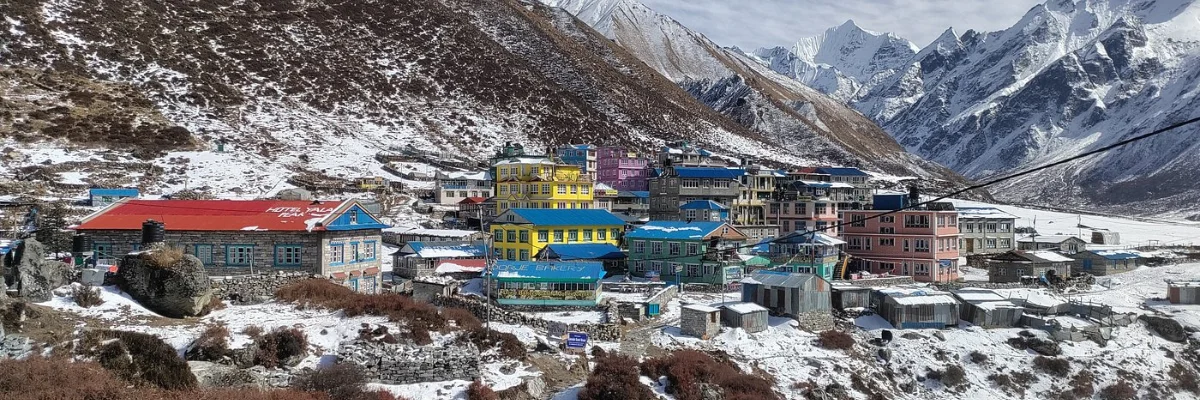
When you are trekking in the Himalayas, it doesn’t matter if it’s Upper Dolpo or Langtang Valley. Coldness is something that’s going to be a risk factor regardless of the season.
People set off on a trek without considering the dangers of the cold. Staying warm on trek matters more than you think because it can be life-threatening at some point.
The higher you go, the colder it gets, and that cold can seriously affect both your body and mind. At high altitudes, even in indoor spaces like teahouses.
When your core temperature drops, it can lead to hypothermia, which is a dangerous condition. Even your brain gets less oxygen, and when cold is added to that, thinking clearly becomes hard.
You might take the wrong steps and forget key safety measures like skipping a layer or walking too far in the wind. Your body is already working hard to as it is acclimatizing to thinner air at high altitude.

It needs every bit of energy to function, and staying warm conserves energy. Exposed areas like fingers, toes, nose and ears are at risk because if you don’t cover them up or keep circulation going, frostbite can set in.
It can lead to permanent damage and might require amputation. Frostbitten part. Proper warmth is necessary to avoid this problem. Another problem that you face because of the cold is sleeplessness.
When you ar shivering in your sleeping bed, your body never fully rests. Bad sleep for multiple days weakens your immune system, kills your mood and makes the trek a burden instead of a joy.
To keep yourself away from all these problems, stay warm, which will make you sharp, strong and happy. The following are very effective ways to keep yourself warm during freezing cold conditions.
Bring A High-Quality Sleeping Bag (-10°C to -20°C Rating)
A sleeping bag (-10°C to -20°C Rating) can be a lifesaver during Himalayan treks. Nights get very cold in high-altitude teahouses. Even teahouses don’t have a heating system, except the dining hall, and tents offer little protection from freezing air.

A high-quality sleeping bag traps the heat of your body and creates a personal microclimate. If you don’t carry a good quality sleeping bag, you will freeze all night and wake up sore, tired and cranky. So, it is very important to have a good quality sleeping bag to fully enjoy the trek.
Layer Like a Sherpa (3-Layer System)
The 3-layer system is a smart way to stay warm and dry, just like Sherpas usually do. Start with a base layer using moisture-wicking material like merino wool or synthetic, which absorbs sweat away from your skin.
The mid layer is for insulation, which you put on top of the base layer, like fleece or a lightweight down jacket, which traps in the heat. The outer layer is your shell, which is a waterproof and windproof jacket that protects you from the rain, snow and cold winds.
Don’t throw on all layers at once unless you have to; instead, add or remove layers as the weather changes. This system keeps you dry, which is key to staying warm and allows your body to breathe. Hit the Himalayas without layering, right? You are setting yourself up to get soaked, chilled, and sick.
Change Out of Sweaty Clothes Immediately After Trekking
Right after your trek ends, change your wet clothes. On a long and rough treks like Everest Base Camp Trek, you get drenched with sweat very quick. A fresh base layer, dry socks, and a fleece or insulated jacket. Even if it’s not raining, your inner layers will be damp with sweat and dampness sucks away your body heat like a sponge.
Staying in wet clothes makes you feel colder as temperatures drop, especially indoors where teahouses cool fast after sunset. Swap into dry, warm clothes: a fresh base layer, dry socks, and a fleece or down jacket.
After an activity, your body drops in temperature, which in turn may cause you to shake from the cold or, in a worst-case scenario, get into hypothermia.
Have a separate “post-trek” set of clothes for the evenings. This may go without saying, but this is an easy step that has great benefits in terms of staying warm and healthy.
Use a Metal Water Bottle as a Hot Water Bottle
Here’s a classic Himalayan hack: Fill your metal water bottle or hot bag with boiling water and put it in your sleeping bag before bed. It functions as a mini radiator, which warms up your sleep area and helps you fall asleep faster.
Unlike plastic, metal does a great job of handling high temperatures without melting or releasing chemicals. Wrap the bottle in a sock or cloth to avoid burns, then place it by your feet or stomach. It will stay hot for hours.

In teahouses, which are a common stop at night, they usually provide hot water upon request in the evening. This is a simple, safe and very effective tip, especially for freezing nights. Also, you will have warm water to drink in the morning!
Sleep With Your Clothes for the Next Morning
Each night, put clothes that you will wear the next day in your sleeping bag; your body heat will keep them warm through the night. There is nothing irritating than putting on freezing cold socks or shirts at 4 a.m. when you have to hit the trail.
Cold clothes steal your heat the moment they touch your skin, which is the last thing you want at 4 a.m. in the morning, trying to get going.
Keeping them in your bag also saves space and helps prevent moisture build-up from condensation inside the room or tent. Batteries die very quickly at high altitudes, so keep those batteries tucked in your sleeping bag.
This is a great tip for early starts and summit attempts when every bit of morning warmth is a plus. It is a simple, easy tip that also makes the morning a little more bearable.
Insulate Yourself from the Ground
In the Himalayas, the air is very cold, even inside your tent or teahouse room. If you are using a thin sleep pad or just a sleeping bag on a hard floor, the cold will get to your body all night.
Always use an insulating sleep pad or layer it with blankets, mats, or extra clothing under your sleeping area. The greater the distance between you and the ground, the better off you will be.
Even materials like cardboard or plastic can help. At high altitudes, the insulation below your sleeping bag is just as important as what you put on top.
Without it the earth will suck your body heat away from you steadily and you will wake up stiff and cold. The ground insulation is very important for staying warm.
Eat a Hot, Carby Meal Before Sleeping
Your body is a machine that requires fuel. Before bed, do a large bowl of porridge, noodles, or soup filled with carbs and your metabolism churns, generating heat all night.
In your pack, keep an emergency “soul saver” soup, just add hot water on the trail. A spoonful of warm soup into your belly will feed your muscles, get the blood moving and promote deep sleep.

Also, do not skip breakfast, which is a great way to get the fire lit for the day. When put together, these practices will give you steady energy, which will fight the cold and have you going strong.
Wear a Hat, Neck Gaiter & Wool Socks to Bed
Up to 30% of your body warmth escapes from your head and feet. Wearing a thin beanie and neck gaiter, even in the tent, traps heat at its topmost escape points.
Wool socks are a must for that toe-warming magic. Want the next level? Use a neck warmer or muffler to seal the temperature zone near your chin. It all adds up: dry socks, toasty head, sealed neck, you’re creating a human cocoon. Just keep your mittens close, stuffed in your bag, and you’re golden for morning movement.
Don’t Hold Your Pee: Use a Pee Bottle or Get Up Quickly
Holding pee at night may seem like a way to save energy in the cold, but actually, it doesn’t work. What happens is your body has to work harder to maintain core temperature when your bladder is full, it drains your energy and makes you feel even colder.
By voiding the bladder, you help regulate your body’s heat production, which in turn improves sleep and prevents that uncomfortable bloated pressure.
Also, use a wide-mouthed pee bottle which you can keep in the tent with you, so you don’t have to go out into the freezing cold. If you must go out, slip into your jacket and shoes fast, don’t let hands and feet freeze.
Keep your path to the toilet clear and safe. Also, reduce fluids an hour before sleep to avoid midnight trips.
It’s not glamorous, but it keeps you warm, safe, and helps you fall back asleep easier. Warm rest matters more than the embarrassment of peeing into a bottle in the dark.
Sit Close to the Fire but Don’t Dry Socks or Boots Too Close
Campfires are not only beautiful, but they are also a source of life-giving warmth. Sit at a distance to feel the heat, yet do not get too close that you risk scorching your gear.
Melting boot glue or singed insulation ruins your protection. Rather, sit near the campfire to dry out your toes, then step back into the periphery where heat is still present, and put away your dry socks and mittens within reach.
Avoid the use of candles in the tent or open stoves because it’s risky and just a bad practice. Enjoy the fire’s edge for social heat, hydration, jokes, and gentle dry but no scorched gear.
Rub in Mustard Oil or Ghee into Your Feet at Night
Traditional Himalayan wisdom: Massage out your feet with mustard oil or ghee before bed. The oil warms circulation, and its rich and hydrating properties will leave your skin soft and less at risk for cold cracks or frostbite.

Apply gently, put on wool socks, and the combination seals in moisture, which in turn increases warmth. Also, it is a ritual healing, calming, and very effective for tired feet.
For more, blend a little mustard oil into your sleeping bag or heat up some salt in a sock to go with the foot massage. It is a full-body cozy preparation, rooted in Sherpa heritage.
Use a Neck Warmer or Muffler
Your neck is a heat escape hatch. A neck warmer or muffler creates a warm collar that seals off cold wind, keeps blood warm near your core, and complements your hat and fleece.
Wearing it all the time, from walking to sleeping, maintains a thermal ring around your torso. It also serves as an emergency eye mask or nose shield.
In windswept ridgelines, it is more than an accessory; it is a thermal protection piece. It is a small item that has a large impact on comfort and warmth.
Don’t Sweat
Sweat is silent heat theft. Overdress and you drown in your own warmth, turning your base layers into soaking wet ice magnets at rest. That’s how hypothermia starts.
Layer up, unzip in ascents, and pace yourself. Take a break for your sweat to evaporate, to let out the sweat that has built up. Take off the clothes that are wet, dry off, and throw on some more layers if you’re still cool.
No shame in shedding a fleece mid-climb, it’s a sign of self-care and awareness. Also, combine this with hot carbs and proper hydration and keep the sweaty jacket in your pack. The main focus is to stay warm.
Skin Care Like Sunscreen, Lotion, Moisturiser
Yes, it is a winter trek, but in the High Himalayas, the sun is intense at altitude, which burns unprotected skin. Put on high SPF sunscreen before each trip out and keep lips and cheeks covered.
It may be very cold, but the sun is fierce. After the trek, massage lotion or cream into your hands, face and feet before bed. This will reduce moisture loss, keep skin supple and prevent cracks or frost nip.
Also, plug in the tent gaps or use clothes as buffers to lower the wind, which in turn will reduce dryness inside. Smooth, supple skin is not just for comfort; it also supports warmth by improving microcirculation.
Other Useful Tips
Apart from ways to stay warm, these following tips will further enhance your experience.
Keep Pant & Shirt Sleeves Dry
Always roll up your sleeves and your pant cuffs when you go through snow or a wet brush. Damp sleeves draw in the cold, which in turn gets to your core very fast with wind chill. Wet fabric against your skin breaks the insulation. Keep those entry points dry, and you will feel warmer all over on your trek.
Wear Mittens
Mittens outdo gloves at keeping in heat, which is due to your fingers, which are grouped together, and so they warm each other up. They are best for very cold days, also in the wind and at high altitudes.
Get yourself waterproof mittens with fleece linings and keep spare pairs dry in your pack. Cold hands destroy morale. Put on your mittens early.
Avoid Wearing a Padded Jacket Inside a Sleeping Bag
Padded jackets squish your sleeping bag’s insulation, which in turn reduces how well it performs at trapping in warm air.
Instead, go for light thermal wear. Let the sleeping bag do what it is meant to do. If you need extra warmth, try blankets or a liner, but avoid the bulky gear inside the bag.
Go With a Guide
A local guide is your best resource for weather reports; they also adjust the pace of the trip, suggest the warmest accommodations, and keep you out of harm’s way.
Also, they are known to travel with emergency supplies and to be very experienced in high-altitude areas. In winter or when you’re in remote areas, that experience can mean the difference between a hard struggle and a lifetime adventure.
Check the Weather Conditions
Before each trip, check the forecast. There have been instances of sudden snow, wind, and storms that have left trekkers trapped in dangerous conditions.
Use apps, ask the locals, and talk to teahouse guides for info. Also, do not go out if there is heavy snow or a whiteout. Being prepared helps you pack the right gear and reduces the risk of frostbite.
Stock Up on Calories
Nuts, chocolate, noodles, soup, anything carb-rich and hot. Have snacks at hand even while walking. A full belly is your best internal heater in icy altitudes.
Carry a Stove (Optional)
A small stove is what you need to boil water, cook up a hot meal, or prepare emergency tea or soup. It is a must-have for weather delays or remote camp nights. Lightweight canister stoves do the job great. Just be sure to use it outside of your tent because it is a fire and fume hazard.
Do not use a candle, stove, or lantern to heat your tent.
Never use an open flame to warm up your tent. Candles, stoves, or lanterns may cause fires and carbon monoxide poisoning. Instead, use proper insulation, layering, and try hot water bottles.
Use adequate tent ventilation and focus on safe heat sources like thermal pads and body warmth.
Sleep With Your Spouse
Sleeping beside your partner traps double the body heat under shared blankets or bags. It’s a cheeky yet effective way to stay warm on freezing nights. Snuggle in, laugh about the cold, and enjoy some bonus coziness all while cutting the chill.
Do Not Over Hydrate Before Bed
Hydration is key throughout the day, but overdoing it before bed just means many trips to the bathroom. Getting out in the cold ruins your sleep and core temperature.
Have that warm milk or tea in the early evening, then ease up on the fluids before bed. Keep warm, keep dry, sleep sound.
Learn to Treat Frostbite
Frostbite, which is at the onset characterised by numbing and pale or grey skin, usually affecting fingers, toes, nose, or ears. Gently warm the area, but never rub or use direct heat.
Seek medical attention if blisters appear. Recognising early signs saves tissue. Know the basics; your fingers may depend on it.
3-Hole Balaclava Is Best
A three-hole balaclava for your head, ears and nose, which leaves your mouth open, is the perfect balance of warmth and breathability.
It protects you from windburn and frostbite and still allows easy breathing. Great for high passes and exposed trails, this is a smart, minimalistic piece of gear.
Loading...
related post


Author

Bryan BK is a storyteller at heart and an adventurer by soul. As a passionate writer and traveler, he finds inspiration in the places he visits and the people he meets. Through his words, he brings destinations to life, sharing experiences that inspire others to explore, dream, and discover.


Leave Your Comment