





 October 27, 2026
Top Nepali Sweets You Must Try During Your Nepal Tour
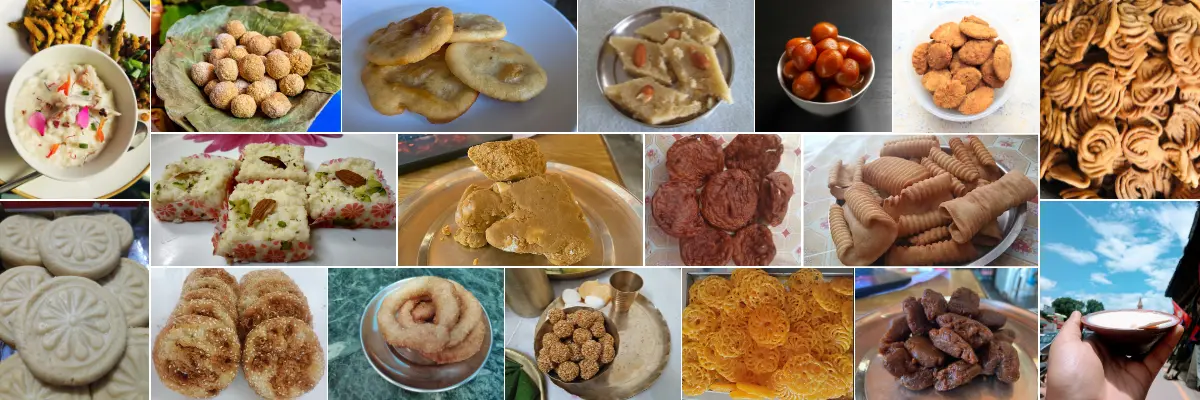
When you think of Nepal, the first thought that you imagine is probably the soaring peaks, serene monasteries, and colorful festivals. But there’s another side to Nepal that wins every traveler’s heart: it’s Nepali sweets.
In every big city, picturesque village, or trodden trail, you can find a shop selling these sweet delicacies of Nepal, popularly called “Mithai” in Nepal. Whether it’s for breakfast, lunch, or dinner, sweets in Nepal become a delightful part of every meal.
These sweeteners add warmth and joy to every occasion. They’re not just food; they’re tiny tokens of love, joy, and devotion. From being a part of offering in temples as ‘prasad’ to sharing care and love among families during festivals, sweets in Nepal hold a special place in every celebration.
These treats tell stories of togetherness and love. They symbolize happiness and blessings.
Each sweet, whether made from rice, milk, ghee, or jaggery, carries the aroma of long-lived tradition and Nepal’s diverse culture.
What Makes Nepali Sweets Special
A deep connection with the land and people makes Nepali sweets truly special.
Unlike factory-made desserts, Nepali sweets are handmade using local ingredients like milk, rice flour, jaggery, ghee, and nuts. Each sweet is made with love, care, and patience.
From crispy Sel Roti made in every house during Dashain and Tihar to Yomari made specially during the Yomari Purnima festival in the Newari community, every bite reflects Nepal’s diversity.
These sweets aren’t just made to please the tongue but are also a reflection of rich Nepali culture. They are often shared with guests and neighbors, offered to gods, or just enjoyed in feasts. During festivals or family gatherings, no meal feels complete without a bite of something sweet.
Nepali sweets symbolize purity, blessings, and good fortune, making them much more than just a dessert.

The Cultural Influence of Sweets in Nepal
Sweets hold a deep cultural and emotional significance in Nepalese society. During festivals like Dashain, Jatra, Janai Purnima, Buddha Jayanti, and others, families prepare and enjoy different kinds of sweets together.
These sweets are a part of daily life and spiritual practices.
One tradition that stands out is that they perform a ritual before cooking and offer an offering to gods and goddesses after cooking. It reflects the respect for the deities and the deep cultural connection in every community.
Furthermore, offering sweets to guests is seen as a gesture of respect and goodwill in Nepalese culture. In addition, exchanging mithai during weddings, births, and festive seasons signifies happiness and blessings.
Each sweet marks an event, a celebration, turning ordinary days into memories, cherished with love.
Role of Sweets in Festivals
Festivals are the soul of Nepalese culture, and sweets add life to it.
During Dashain, families gather and have the grandest feast, often ending with rich desserts. In the Newar community, there is a tradition of having Juju Dhau or plain Dahi (curd) with Chiura (beaten rice) and banana. It carries centuries-old tradition and has health benefits, believed to help in digestion.
Likewise, during Tihar, the festival of light, streets and houses are adorned with lights and oil lamps. However, it’s incomplete without sweets. Sisters prepare tasty desserts for their brothers and relish together.
Similarly, in Buddhist communities, they prepare Khapse, the communities in the Terai region prepare Thekuwa, and Brahmins during Maghe Sankranti prepare Latte Bhat. Also, each ethnic community has its own special sweets that are prepared and shared during festive seasons.
How Nepali Sweets Reflect the Country’s Diversity
Nepal sweets are as diverse as its landscapes. The Kathmandu Valley, especially Bhaktapur, is the centre of Newari delicacies like Juju Dhau, Yomari, and Lakhamari.
Whereas in the Terai, we can see Indian influence in sweets. In Terai, mithais like peda, khajuri, and laddu are more popular.
Meanwhile, in the Himalayan regions, sweets made from yak milk like chhurpi, porridge, khapse, and rice pudding (Kheer) aren’t just sweets; they’re a source of energy and warmth.
Tasting these famous Nepali sweets is a journey in itself. From honey-coated rice cakes to millet-based treats, each ethnic group adds a distinctive flavor to Nepal’s sweet tradition.
Must-try Nepali Sweets – Short Guide, Long Value
Nepal has several varieties of incredibly tempting sweetener options. If you’re wondering which sweet from the Nepali sweets name list to try first, here is a list that might come in handy.
Juju Dhau
Literally meaning “King of Yogurt”, Juju Dhau is a creamy, yellowish, rich yogurt made from buffalo milk and set in traditional clay pots. The clay pot absorbs moisture, making the yogurt thicker and more flavorful.
Particularly popular in Bhaktapur, Juju Dhau is a symbol of purity, prosperity, and a long-preserved traditional art of culinary. It is served during festivals, weddings, and as prasad in Newar rituals.

Sel Roti
Probably the most famous Nepali sweet, Sel Roti, is a beloved Nepali rice doughnut that is prepared in almost all festivals in Nepal. Made from rice flour, sugar, and ghee, Sel Roti is crispy on the outside and soft inside.
Especially in Brahmin, Chhetri, and Newar communities, no festival is complete without Sel Roti. It can be taken in breakfast with tea or with beaten rice for lunch and dinner, or just as a munch on.

Khapse
It is a popular Tibetan delicacy traditionally prepared during special occasions like the Tibetan New Year or Lhosar.
Khapse is a deep-fried Tibetan pastry or biscuit served and shared among families, guests, and neighbors during special occasions. The word Khapse comes from the Tibetan words “Kha” (mouth) and “Sey” (eat), meaning something to keep the mouth busy.
Flour, butter, eggs, and sugar are mixed together to make the dough, which is then shaped into various designs. Then, the dough is deep-fried until golden-brown and crispy. It can be made sweet or slightly salty according to your choice.
Khapse symbolized good luck and social connection in Tibetan culture.

Chaku
Often used as an ingredient for other famous sweets in Nepal, Chaku can be eaten raw, too.
Chaku is a traditional sweet made from sugarcane juice or molasses, cooked down to a thick, sticky consistency. It is a widely consumed cuisine during Maghe Sankranti as a sign of warmth and togetherness.

Yomari
A sacred Newari delicacy, Yomari is a famous Newari sweet. It is usually made from rice flour dough shaped like a fish or conical shell and filled with melted Chaku (jaggery) or Khuwa, a sesame seed (Til). Now you can just stem it, and savour the melting taste of Newari cuisine.
Yomari is usually prepared during Yomari Punhi/Purnima, a festival marking the end of the rice harvest, symbolizing wealth and fertility.
Anarsa
It is a rice flour pastry mixed with jaggery and coated with sesame seeds, and finally fried in ghee until golden brown, giving a nutty, crispy texture. The jaggery’s earthy sweetness and sesame seeds’ nutty crunch make Anarsa a must-try traditional Nepali sweet.
Anarsa is normally made during Tihar and weddings in both the Hilly and Terai regions.

Lakhamari
A crisp, decorative sweet made from flour, ghee, and sugar syrup, Lakhamari is a major attraction in Newari weddings. In Newari weddings, it represents the sweetness and strength of marital bonds.
Lakhamari comes in different shapes and sizes. Its slightly sweet, crunchy texture makes it a unique and culturally significant festival Nepali sweet.
Til Ko Laddu
A simple sweet made from roasted sesame seeds and melted molasses, Til ko laddu is an energy-rich Pahadi (Hilly) winter delicacy. It is made during the Maghe Sankranti festival, which marks the beginning of longer, warmer days.

Arsa Roti
A sweet bread or pancake, Arsa is a special, traditional Nepali sweet prepared for Tihar and other special occasions.
It’s made with flour, ghee, and jaggery. Then, the batter is fried until golden. These soft, sweet, and slightly chewy treats are a delightful traditional Nepali sweet, perfect with a cup of tea.

Khurma
A crispy, sugary, and addictive snack, Khurma is a popular North Indian origin sweet. It is also popular in Nepal, which is a common delight during festivals.
A dough is made from flour, ghee, and sometimes semolina, which is then cut into small shapes and deep-fried.
It is a symbol of prosperity, festive feast, community, and hospitality in Nepali culture.

Kasar
It is a festival Nepali sweet made from rice flour balls coated in sugar or jaggery and ghee.
Kasar is often prepared during festivals and special occasions. It has a firm, grainy, and slightly dry texture.
Kasar is usually prepared during weddings, symbolizing the strength of the marital bond. It is popularly found in Nepal and India.

Sikarni
A refreshing and healthy Nepali dessert alternative, Sikarni is a creamy, sweet Nepalese dessert made from drained yogurt, offering a lighter alternative to some heavier sweets.
The thick yogurt is mixed with sugar and flavored with spices like cardamom, and garnished with nuts and saffron.
A cool, tangy, and sweet taste of Sikarni is perfect for summer days, offering a delicious taste of Nepali tradition.
Apungo
Often described as a dry, cruncy version of halwa, Apungo is a Nepali sweet crumble. It is a traditional dish often prepared during “puja”, like “Sri Satyanarayana Puja”, as a special offering (prasad).
Apungo is typically made with wheat or barley flour, toasted in ghee until it’s golden brown. For taste, sugar is added to the flour mixture while it is toasted. Adding coconut, cardamom, or nuts gives it a sweet, crispy, and crumbly texture.
Halwa
A versatile dessert found in Nepal, Halwa is a soft pudding made using semolina (sooji), carrot, flour, or even lentils.
Among all varieties of halwa, Sooji Halwa (semolina halwa) is the most common. It is made by roasting sooji in ghee, then sugar is added for sweetness. Finally, water or milk is poured. You can add cardamom and nuts for a crunchy and chewy flavour.
Likewise, you can cook other forms of halwa. It is usually eaten during “Brata” (religious fasting) and pujas, offering warmth, comfort, and deep satisfaction.

Nwagi
It is a popular traditional sweet dish, symbolizing a harvest festival and the new grains and foods.
Nwagi is made from newly harvested rice that has been soaked in water overnight. Then curd, sugar, coconut, nuts, cardamom, and fruits like banana are added for taste.
Nwagi is a special festival and also a popular food in Chepang, Kirati, and other indigenous communities.
Malpuwa
Sweet pancakes made with flour, milk, sugar, and cardamom, fried in ghee, Malpuwa is a common traditional Nepali sweet prepared during Holi and Janaki Navami.
The ingredients are mixed well and deep-fried until golden, sometimes dipped in sugar syrup. It is normally served with rabri (a sweet traditional Indian dessert made from condensed milk).
Malpuwa is often prepared when worshipping Lord Shiva, as it is considered a favourite of Lord Shiva. It offers a comforting, home-style taste that’s hard to resist.

Kheer
The sacred pudding, Kheer, or rice pudding, is one of the most beloved and auspicious sweets in Nepal.
Kheer is made by slowly cooking soaked rice in milk, and then sugar is added according to taste. We can add nuts and spices like cardamom and sukmel (green cardamom) for flavour and aroma.
It is usually prepared during family gatherings, puja, and special occasions. In Nepal, there is a tradition where Kheer/Khir is prepared in the month of Shrawan, particularly on the 15th of Shrawan. It marks the end of the rice planting season and symbolizes joy, love, and unity.

Gudpak
Dense, nutty sweet, made from milk and jaggery, Gudpak is a rich and nutritious fudge-like confection. It is particularly popular in the Kathmandu Valley and holds significant cultural value.
Gudpak is made by frying nuts and edible gum (gundh) in ghee, and then khuwa/khoa and jaggery are roasted in the same pan until they form a thick mixture. Then, finally, fried nuts and spices are added and set aside for cooling. And, tasty, flavorful, and sweet, it is ready to enjoy.
It is often shared as a gift and given to new mothers as a nutritious food, rich and long-lasting.

Pustakari
A chewy caramel-like flavor, Pustakari is a sweet and healthy sweet in Nepal. It can be taken as an alternative to drinking coffee or whenever you feel drowsy.
Jaggery is melted in water before stirring in grated khoya and ghee over a low flame until the mixture thickens, then coconut, nuts, and cardamom are added to make Pustakari.
It is a popular Newar confectionery that slowly melts in your mouth, revealing its distinct taste.

Khuwa
Khoa, or Khuwa, is a condensed milk simmered for hours until it forms a solid base. It gives a rich, milky flavor that’s central to Nepali mithai.
You can just eat Khuwa in its truest form or use it as an ingredient in various Newar and Terai sweets like Gudpak, Barfi, and Peda.

Kurauni
It is a famous Nepali sweet made by boiling milk slowly until it thickens, giving a rich, smoky flavor. For additional sweetness, consider adding sugar and other ingredients like almonds, raisins, and coconut.
Kuraini is widely consumed in Nepali cuisine, usually prepared during weddings and special events.
Jeri/Jalebi/Jerry
Jeri, also known as Jalebi, is one of the most popular sweets across Nepal. It is often eaten with puri, Jeri swari.
These bright orange colored, pretzel-shaped sweets are made from fermented batter, deep-fried until crisp, and then soaked in a warm sugar syrup. The result is a wonderfully sticky, crunchy, and intensely sweet treat.
It is popularly taken for breakfast with milk, an irresistible, famous Nepali sweet.

Peda
It is a classic milk-based sweet often eaten and shared among families during religious ceremonies and celebrations. Peda is made from khoa (reduced milk solids), sugar, and flavored with cardamom.
It is soft and slightly crumbly, which melts in your mouth. They are often made in various shapes and garnished with pistachios or almonds, making them as beautiful as they taste.

Barfi
A Barfi is a dense, fudge-like milk-based sweet cut into cubes or diamonds. It is soft and has a milky flavor that melts in your mouth.
Barfi comes in different varieties such as Kaju barfi, Pista barfi, besan barfi, etc. It is a popular treat shared during celebrations and festivals like Diwali/Tihar and Eid.
Khajuri
Popular in the southern Terai region of Nepal, Khajuri is a sweet cookie often made with refined flour (maida) and sugar. The dough is shaped, sometimes using a special wooden mold called a “thasaa”, and fried until crisp.
It is crispy on the outside and soft inside, frequently served during feasts and rituals or eaten for breakfast.
Thekuwa
It is a famous traditional Nepali sweet cooked during Chhath Parva (a widely celebrated festival in the Terai region). Thekuwa is a revered prasad that symbolizes devotion to the Sun God.
It is an Indo-Nepalese dish made with wheat flour mixed with jaggery and then deep-fried in ghee.

Rasbari
It is a soft, spongy ball made from chhena (fresh cheese) soaked in sugar syrup. Rasbari is a popular sweet available throughout South Asia, particularly in Nepal, India, and Bangladesh.
It is a popular offering during pujas and a sweet, milky confectionery perfect for joyous events, symbolizing happiness and prosperity.
Gulab Jamun
It is a popular South Asian sweet confection that is enjoyed across countries with large South Asian populations.
Gulab Jamun is known for its soft, deep-fried milk solid balls soaked in a fragrant, sweet syrup. It consists of two main ingredients: dough balls made from khuwa, milk powder, all-purpose flour, or sooji, and a sugar syrup.
The dough balls are deep-fried and then soaked in sugar syrup for at least a few hours or overnight.
Especially during Tihar, Eid, and weddings, they are offered to guests as a traditional gesture of warmth and hospitality.

Kulfi
A frozen dessert made from thickened milk flavored with cardamom, saffron, and nuts. Often sold by street vendors, Kulfi is a summer favorite across Nepal, especially in the urban and Terai regions.
Unlike regular ice cream, it is not churned, giving it a rich, solid consistency and a slow-melting quality.
It first originated in the Mughal Empire in 16th-century Delhi.
Kalakand
A soft, grainy milk sweet, Kalakand is a classic Indian sweet milk cake, also popular in Nepal. It is made by curdling and reducing milk, then cooked with sugar until it solidifies into a fudge-like texture.
Kalakand is prepared during auspicious occasions like Diwali and Ganesh Chaturthi. It is considered pure and is offered to gods and goddesses, believed to bring good fortune, and is a gesture of devotion.

Regional Specialties: Where Each Sweet Shines
Nepal’s geography and culture are incredibly diverse, from the icy Himalayas to the fertile plains of Terai. This diversity is perfectly reflected by the food and desserts they offer.
Each region has its special, signature sweets, each sweet prepared from local ingredients, traditions, climate, and love. These delicacies not only satisfy your taste palate but tell stories of familial bonding, devotion, and long-preserved culture.
In Kathmandu Valley, the Newar culture is exhibited by delicacies like Yomari, Juju Dhau, Lakhamari, and many more. These sweets are deeply tied to culture and festivals.
Likewise, sweets like Sel Roti, Gudpak, Til ko Laddu, etc., are the heart of the hilly and mountainous region’s sweets. They are meant to be simple but rich in energy. In addition to that, dishes like Halwa, Kheer, and Arsa are common desserts prepared during family gatherings and religious occasions.
Furthermore, the Terai plains offer the most vibrant variety of Nepali sweet options. The sweets here are heavily inspired by Maithil and Bhojpuri traditions. Sweets like Jeri, Peda, Gulab Jamun, Thekuwa, and Malpuwa dominate festivals such as Chhath Puja and Holi.
Additionally, milk-based sweets like Barfi, Kalakand, and Rasbari are the highlights of the Terai region. It shows the region’s love for dairy and sweet tooth, and devotion.
The likelihood of sweets doesn’t end here. Even in the challenging Himalayan highlands, people have their own comforting desserts. Khapse, Chhurpi, and other yak-milk-based confectionery provide both relief to your taste buds and energy in the cold.
Together, these regional specialties reflect Nepal’s love for sweetness and its warm, welcoming culture.
Where to Taste Authentic Nepali Sweets
The best way to experience authentic Nepali sweets is by tasting them where they are traditionally made. From the “city of temples”, Kathmandu, to mountain teahouses, these Nepali sweets can be tasted anywhere.
In the Kathmandu Valley, Bhaktapur is famous for Juju Dhau, best enjoyed fresh from traditional clay pots. Patan and Ason Bazaar in Kathmandu is quite popular for several old mithai pasals (sweet shops). Here, we recommend you taste Gudpak, Pustakari, Peda, Barfi, and Jeri, sweets made using generational family recipes.
Likewise, if you want to taste Khuwa and Kurauni, in the nearby Kathmandu Valley, the Dakshinkali Temple area is the location. Moreover, if you’re travelling to the Terai region, don’t miss the chance to savor mithais like Thekuwa, Peda, Rasbari, and Gulab Jamun. Pairing these Nepali delights with steaming cups of Nepali Chiya (tea) is a great option.
Furthermore, teahouses along popular trails like Everest, Annapurna, or Langtang serve sweet desserts such as yak-milk rice porridge, Khapse, and sometimes even Sel Roti. These homemade treats carry the same warmth and simplicity as the people and the Nepali way of life.
Sweet Experiences for Travellers
Nepali sweets are more than a treat for yourself; they’re a journey into the culture and history of Nepal. The best way to experience these treats isn’t by just being a spectator; it’s by being a part of it.
You can join cooking classes in Kathmandu or Patan to learn how to make this authentic Nepali sweet recipe. While you learn these recipes, you can also get an insight into the stories and customs behind each recipe.
Visiting Nepal during festivals like Tihar, Yomari Punhi, or Maghe Sankranti allows travellers to experience how sweets bring families and communities together. Experience the aroma, joy, and celebration with Nepalese families.
Likewise, if you want to take a piece of Nepal back home, you can visit a few popular shops around Kathmandu Valley, which offer packed mithai, perfect for souvenirs.
Every sweet in Nepal, whether bought, made, or gifted, reflects the warm hospitality, love, and deep-rooted Nepali culture. It’s an unforgettable experience for visitors.
How to Enjoy Nepali Sweets Like a Local
If you really want to enjoy Nepali sweets like a local, we suggest you forget counting your calorie intake. Also, the authentic taste is sold at street vendors’ shops, not the fancy restaurants. However, make sure they are busy and reputable to ensure freshness, or you can just ask if it is fresh.
Additionally, usually, most Nepalese like to enjoy sweets with a cup of strong milk tea, further enhancing its taste. Locals often like to eat Sel Roti or Jeri Swari for breakfast or a snack, while desserts like Juju Dhau or Sikarni are savored after meals.
More importantly, timing and location matter. Some sweets are specifically associated with festivals or rituals, for instance, Til ko Laddu, which is traditionally prepared during Maghe Sankranti, and Yomari during Yomari Punhi.
Likewise, know that these sweets taste better homemade than store-bought. Homemade sweets offer warmth and familial bonding. If you overlap your Nepal tour during the festival, one of the family members might invite you for a cup of tea and homemade sweets, especially in the rural, picturesque villages of Nepal.
Low-sugar Choices for Health-Conscious
Usually, Nepali mithais are rich and sugary, but there are plenty of options for travellers.
Many famous traditional Nepali sweets are based on jaggery instead of sugar. This provides a milder sweetness and additional minerals. Til ko Laddu, Chaku, Gudpak, and Apungo are some healthier alternatives.
Likewise, fruit-based or milk-based sweets like Sikarni, Juju Dhau, Kheer, and Halwa offer natural sweetness from fruit and milk rather than heavy sugar syrups.
Similarly, homemade sweets like Sel Roti and Barfi often use less sugar than those found in commercial shops. It gives a lighter taste without compromising tradition.
Furthermore, pairing sweets with other non-sweet foods, herbal teas, or Nepali masala tea is a smart health-conscious option. For example, local Nepali people like to pair Jeri with Swari (soft, deep-fried flatbread made from wheat flour) or plain curd.
Moreover, if you’re allergic to lactose, we suggest avoiding milk-based sweets.
With these health-conscious options, you can indulge in Nepali sweets while staying mindful of your diet.
Loading...
Author

Samyog Shrestha is a travel enthusiast and an excellent content writer at Himalayan Masters, the face behind the amazing content who likes to learn from experience.


Leave Your Comment