




Top Attractions of the Manaslu Circuit Trek
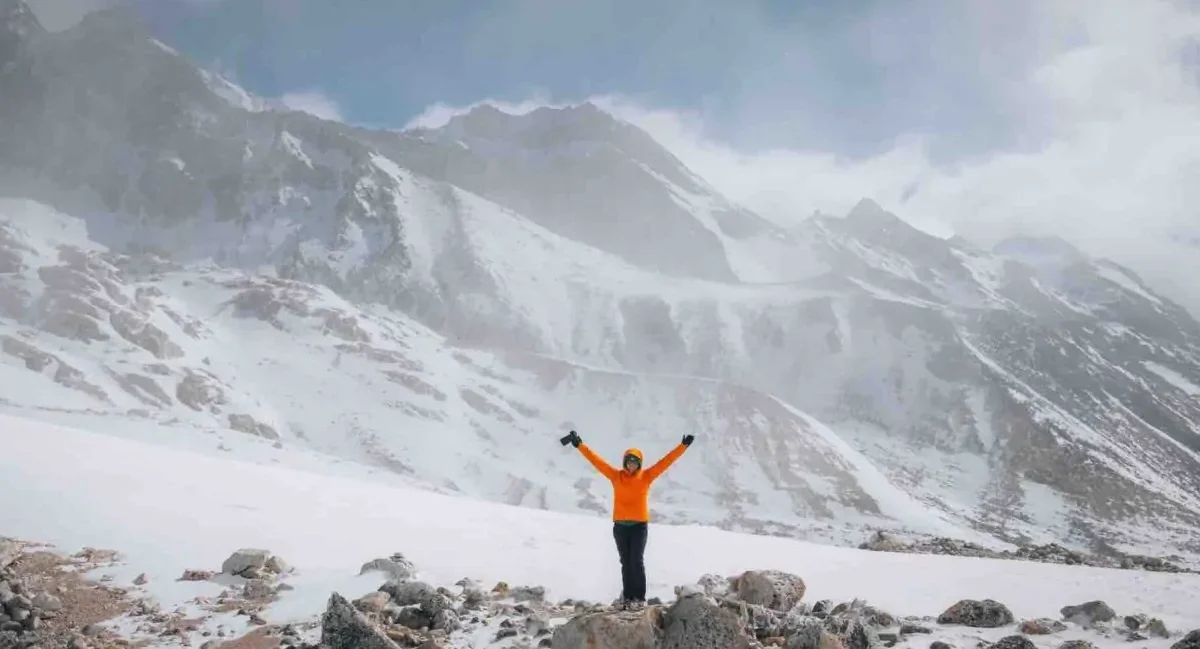
The Manaslu Circuit trek is not just about reaching the 5,106-meter Larkya La Pass. The trail moves through river valleys, forests, alpine meadows, mountain villages, glaciers, and some of the highest peaks in the Himalayas. You start in the lower Budhi Gandaki valley and gradually climb toward the mountains around Mount Manaslu, the world’s eighth-highest mountain at 8,163 meters.
The changing elevation is a big part of what makes the trek interesting. The landscape looks different every few days. You may spend one morning walking beside a river and later find yourself surrounded by snow-covered peaks and open alpine terrain. Along the way, you also pass through villages shaped by Tibetan Buddhist culture and get a closer look at life in the remote mountain settlements.
Natural Attractions Along the Manaslu Circuit
Budhi Gandaki River and Its Gorges
The Budhi Gandaki River stays close to the trail through much of the trek. The route follows its valley through narrow gorges, forests, cliffs, suspension bridges, and waterfalls. The river and its tributaries come from the glaciers and high mountains of the region, shaping much of the landscape you see along the way.

Forests, Waterfalls and Changing Landscapes
The lower section of the trek is greener, with forests, farmland, waterfalls, and steep valley walls. As you gain altitude, the trees become thinner, and the landscape opens into alpine meadows and rocky mountain terrain. Spring also brings rhododendrons and other wildflowers to parts of the trail.
The Manaslu region covers a wide range of elevations, so the change in scenery is easy to notice as you move higher.

Mountain Views
Mount Manaslu becomes one of the main attractions as you move deeper into the circuit. Lho, Shyala, the Pungyen area, and Samagaun are among the places where the mountain and surrounding peaks can be seen particularly well, although visibility depends on weather and season.

The wider mountain panorama includes peaks from the Mansiri Himal range and other surrounding ranges. After crossing Larkya La, the landscape changes again as you move toward Bimthang and the western side of the circuit.
Lakes and Glacial Landscapes
Birendra Lake near Samagaun is one of the most noticeable natural attractions along the route. The lake sits below Mount Manaslu and is surrounded by high mountains.

Further west, Ponkar Lake near Bimthang offers another glimpse of the region’s glacial landscape. These lakes are different from the river valleys below and add another side to the scenery of the circuit.
Larkya La Pass
Larkya La at 5,106 meters is the highest point of the standard Manaslu Circuit. The crossing takes you through a high mountain landscape with rocky sections, snow and ice depending on the season, and wide views of surrounding peaks.

It is also one of the most demanding parts of the trek, so the attraction comes with a real physical challenge.
Wildlife and Vegetation
The Manaslu Conservation Area stretches across a wide range of elevations, which allows different types of forests, plants, birds and wildlife to live in the region. Lower sections have dense forests, while higher areas have alpine vegetation and open grazing land.
Rhododendron forests are particularly noticeable in spring. You may also see Himalayan birds and animals along the trail, although wildlife sightings are never guaranteed.
The region is home to species such as Himalayan tahr, blue sheep, musk deer, Himalayan goral, and, at higher elevations, the elusive snow leopard. The Manaslu Conservation Area also contains more than 2,000 plant species and a wide range of bird and mammal species.
Traditional Villages of the Manaslu Region
The villages are another major part of the Manaslu experience. The settlements change as you move higher, and so does the culture and architecture.
Jagat marks the entry toward the restricted Manaslu region. Further along, Deng and Bihi begin to show stronger Tibetan influence. Namrung and Lho bring you into the Nubri Valley, while Shyala and Samagaun sit deeper in the high mountain landscape.
Samdo is one of the most remote settlements on the main route. Its location close to the Tibetan border and its traditional stone houses give it a very different feel from the lower villages.
You do not need to visit a specific attraction to experience this side of Manaslu. Walking through these villages, seeing people working around their homes, and staying in local teahouses are part of the experience.

Tibetan Buddhist Culture
Tibetan Buddhist culture is visible throughout the upper Manaslu region. Mani walls, prayer wheels, chortens, prayer flags, and monasteries appear along the trail and around the villages.
The architecture also changes as you move higher. Stone houses, wooden windows, small courtyards, and religious structures reflect the mountain environment and the cultural traditions of the communities living here.

The monasteries and religious sites add another layer to the trek. Some are located directly along the main trail, while others require short side trips. The region’s Buddhist traditions are closely connected with everyday life, rather than being something you only see inside a monastery.
Life in the Remote Mountain Villages
One of the things that separates Manaslu from more developed trekking routes is the chance to see how people live in remote mountain settlements.
Livestock, farming, local trade, and tourism remain part of daily life. You will see yak and other pack animals in the higher villages, while lower settlements have more farmland and forest around them.
As you move toward Samagaun and Samdo, the villages become smaller and more isolated. The simple lifestyle, traditional houses, and slower pace give you a different view of life in the Himalayas.
Bimthang and the Western Side
The scenery changes again after crossing Larkya La and descending toward Bimthang. The trail moves away from the dry, high-altitude landscape around Dharamsala and returns to greener surroundings.
Bimthang sits in a wide mountain valley surrounded by peaks and forests. From here, the trail gradually descends toward Tilije, where the landscape and settlements feel different from the upper Manaslu region.
A Trek Through Different Landscapes
One of the biggest attractions of the Manaslu Circuit is the amount of landscape you cover in a single trek. The route begins in a warm river valley and gradually moves through forests, waterfalls, cliffs, terraced land, alpine meadows, glacial valleys, and high mountain terrain.
You are not looking at the same scenery every day. The change happens gradually as the altitude rises, which makes the long journey feel more varied.
A Quieter Himalayan Trail
The Manaslu Circuit is still less busy than some of Nepal’s more established trekking routes. The restricted-area regulations and remote location limit the number of trekkers on the trail.
That does not mean you will have the mountains completely to yourself. During the main trekking seasons, you will still meet other groups. The difference is more noticeable in the smaller villages and quieter sections of the route.
How to Experience the Main Attractions
You do not need to rush through the Manaslu Circuit to see its main attractions. Give yourself enough time around Shyala, Samagaun, and Samdo, where the landscape, culture, and altitude all change significantly.
Keep some flexibility in your itinerary for weather and mountain visibility. Early starts can help with views and longer walking days, while extra time around Samagaun and Samdo allows you to adjust to the altitude properly.
Side trips such as Birendra Lake, Pungyen Gompa, and Manaslu Base Camp can add more to the trek, but they should be chosen according to your fitness, weather, and available time.
The main trail itself already has plenty to see. You can enjoy the villages, rivers, forests, mountains, and cultural sites without trying to fit every possible side trip into the itinerary.
Are the Attractions of the Manaslu Circuit Worth the Trek?
The Manaslu Circuit brings together several sides of the Himalayas in one route. You get high mountains, changing landscapes, remote villages, Buddhist culture, wildlife, rivers, forests, and a demanding high-pass crossing.
What makes the trek stand out is how naturally these attractions appear along the journey. You move from one landscape and community to another rather than travelling to separate tourist sites.
For trekkers who want to see more than just a famous mountain viewpoint, the Manaslu Circuit offers a longer look at the Himalayan landscape and the communities living within it.
Loading...
related post


Author

Swostika is a content writer at Himalayan Masters as well as a travel enthusiast. She loves to travel and learn about different cultures and people. With a love for writing, traveling, and embracing diverse cultures, she is on a journey to explore and inspire through words.


Leave Your Comment