




Tipping in Nepal: A Complete Guide for Nepal Travelers
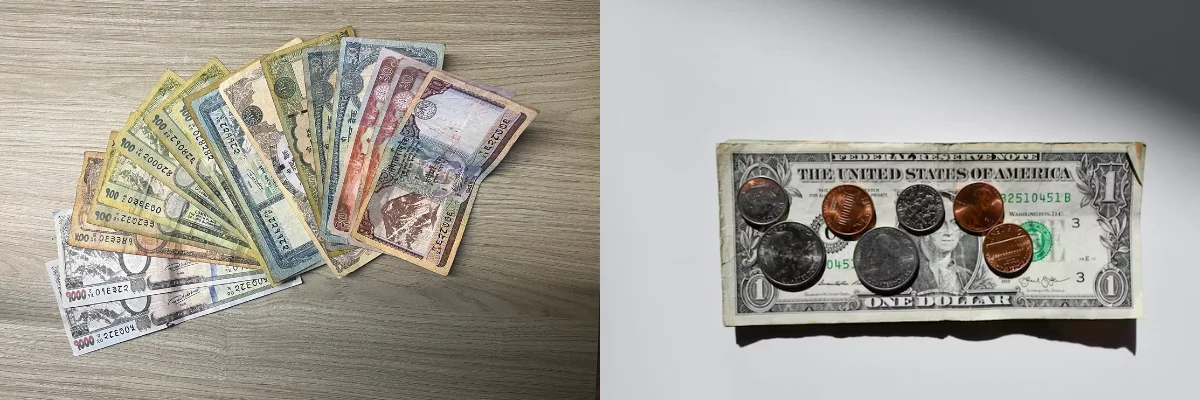
While travelling or trekking through Nepal, not knowing how to tip is a tricky matter. Tipping in Nepal is appreciated, but it’s not mandatory. Most of the guides and porters rely on tips to make ends meet.
The number of efforts and energy that guides and porters put in are inspired by the tips they expect. In Nepal, Mostly Sherpa and Tamang people play the crucial role of guides and porters because of their knack of surviving in mountains and understanding them.
Guides help you navigate, connect with local people, and educate you about culture and locations.
Porters carry your backpacks and extra baggage, which lets you focus on your trek. Even hotel staff, bellboys, and housekeeping expect tips. If you know how to do it smartly, then you can make everyone happy without losing a lot.
What is Tipping in Nepal?
Many tourists from across the globe visit the magical land of Nepal with different purposes like trekking, tours, adventure activities, and exploration. Nepal is considered one of the major tourism hubs in South Asia, attracting tourists.
Tourists visiting Nepal feel it’s very cheap. The cost of transportation, meals, trek packages, and accommodation is very affordable, and while spending on all these areas, tipping is rarely asked until you offer.
There is no such harsh tipping culture in Nepal as in the USA and Canada. Tipping in Nepal can be confusing sometimes because there is no fixed rule or strict culture.
It is not common practice in the everyday life of Nepali people, so you won’t see tipping in restaurants or for basic services. However, if you are trekking or touring in Nepal, people connected to that industry expect it as a gesture of appreciation for good service.
Especially, guides, porters, drivers, and support staff who work hard in challenging conditions to make your trip safe and hassle-free. The amount that you give is usually based on the quality of service, trip length, your budget, and your satisfaction level rather than a set percentage.
There is no obligation to tip in Nepal, but it is highly appreciated in trekking, traveling, and climbing sectors where tips form an important part of staff income.
This guide is for trekkers exploring the Himalayas, tourists visiting cities, climbers attempting peaks, and volunteers working with local communities. Knowing how much to tip can help you show respect for their hard work.
What Should You Understand When Tipping in Nepal?
As mentioned before, tipping is not deeply rooted in traditional culture. For most Nepalese, especially outside tourist areas, tipping is uncommon and not expected for daily services like eating in small restaurants, taking public transport, or shopping in markets.
Nepali culture values hospitality and helping others without expecting extra payment, so many service interactions are simply seen as part of the job.
However, as tourism grew in Nepal, it introduced a different view, especially in trekking, guiding, and hospitality services serving foreigners.
Most tourists often bring tipping habits from their home countries, where it is standard to add a percentage of the bill or reward service workers.
In Nepal’s tourism industry, this has led to an informal but widely accepted practice of tipping guides, porters, hotel staff, and drivers.
While it is not mandatory, it is considered kind and respectful to show appreciation for hard work, particularly in challenging environments like mountain treks.
How should Tips?
Tipping in Nepal is not a fixed rule, but in tourism it’s a valued way to say thank you.
Currency: Try to always tip in their national currency. It’s easier for guides, porters, and locals to use right away and avoids the hassle of exchanging foreign currency.

When & Where: Tourism is common mostly in the tourism industry, especially in Nepal. Tip to trekking guides, porters, drivers, hotel staff, and tour guides. It’s not expected in small local shops and public transport.
Cash is Best: Most porters and guides don’t have an online payment system, and in some areas, your bank transfer might not work. Cash is always best as it’s immediate, practical, and appreciated.
How Much: Too little may feel dismissive, too much can make things awkward. Follow local or agency guidelines for a fair range.
Timing: Always tip after the service is complete, not upfront. This ensures you are happy giving tips and fully satisfied.
Method: Hand tips directly with a smile or use an envelope for a more formal gesture, especially for trekking staff.
Group Tips: If traveling in a group, pool tips together so everyone gives a fair, balanced amount.
Presentation: For treks, present tips during the farewell gathering or final dinner. It’s a respectful, celebratory moment to thank the team.
Situations Where You Should Tip
Tipping is not always expected everywhere, but you should know places where tipping is expected and appreciated.
Hotels
In budget hotels, tipping is modest. A small note of NPR 500-100 for porters, bellboys, or housekeeping is enough for basic service.
In luxury hotels, service levels are higher, so NPR 100-200 per staff is more appropriate. Give the tip directly and with a thank you and smile, it’s personal and appreciated.
Restaurant and Cafes
Most mid to high-end places already include a 10% service charge and 13% VAT in the bills, so extra tips are not needed unless service is exceptional.
If there’s no service charge, leave 5-10% of the bill. Street food stalls don’t expect tips; just pay the amount shown, or it’s up to you to tip street food stalls.
Taxis and Ride Share
Local taxi drivers don’t expect tips. Simply round up the fare. For ride-share apps like Pathao or InDrive, tip only if the driver helps with bags, waits a long time, or offers exceptional service.
Tour Guides
Good tips strengthen relationships and support livelihoods. It’s up to you how much you want to tip based on your satisfaction level. Normal for day tours, NPR 100–1500 is fair. For multi-day treks, NPR 1000–1500 per day is common
Trekking & Expedition Staff
Give tips at the end of the trek during a farewell.
- Guide: NPR 800–1500/day
- Porter: NPR 400–800/day
- Assistant guide: NPR 600–1000/day
In groups, pool money so each staff member gets a fair share
Drivers
For airport pick-up or drop-off, NPR 200–300 works. For multi-day hires, NPR 300–500 per day is fair depending on service.
Massage, Spa, Beauticians
If the bill doesn’t already include a service charge, tip 5–10% of the total.
Homestays & Local Hosts
In rural family stays, gifts like fruit, tea, or household items can be more meaningful than cash. If you prefer giving money, do it discreetly at the end of your stay.
How to Tip Politely in Nepal?
In Nepal, tipping is most polite when done after the service is complete. This ensures you’ve experienced the full quality of the work before giving your thanks.
Always offer the tip discreetly and avoid making it feel like a public display. With small services such as at hotels or restaurants, you should hand over the cash, giving a smile and saying “Dhanyabaad” meaning thank you in Nepali.

On treks, it’s common to prepare tips for guides and porters in envelopes. This adds a respectful and organized touch, especially if you’re giving different amounts to each staff member.
Present these envelopes at the end of the trek, often during the farewell gathering or final dinner. If you’re in a group, pool the money first so it’s fair for everyone. A polite, quiet handover makes the gesture feel sincere and deeply appreciated.
Avoiding Tipping Pitfalls
Tipping is for appreciation, not for personal gain. In Nepal, giving money to officials at border control, police checkpoints, or government offices to “speed things up” is considered bribery, not tipping.
There is no need to tip in religious facilities, temples, monasteries, and stupas. In case you want to give, pay the donation in the special box on the way out, but not in the hands of priests or monks.

Another important ethical point is to avoid tipping or giving money to children. While it may feel kind in the moment, it can encourage begging, keep children away from school, and can be thought otherwise.
Instead, direct your support to a local school, charity, or community project. By responsibly tipping, you are supporting good service and at the same time not promoting bad practices, which makes your travel more respectful, fair, and culturally aware.
When Not to Tip?
There are times when tipping in Nepal is unnecessary or even inappropriate. If a restaurant, hotel, or trekking agency has already added a service charge (usually around 10%), additional tipping is not required unless you want to give extra for exceptional service.
Also, if the service you received was poor, careless, or even offensive, it is fine not to tip. The tip should be a reflection of what you think of the service, not a requirement.
At times, we see that certain types of tipping are against culture, for example, giving money to monks, nuns, or public servants.
Monks and nuns live on what is given to them in certain ways, not tips for a service, and Public officials are paid by the state and should not be given money for what is expected of their job.
By being aware of when not to tip, you help to maintain fairness and respect for local culture. Also, your money will go to the right people in the right situations.
Conclusion
In Nepal, tipping is more than just a transaction; it’s a way of showing gratitude and empowering those who work hard to make your journey enjoyable.
It is always optional, but when done with sincerity, it becomes meaningful. A fair tip tells someone that their effort was noticed and appreciated, whether it’s a trekking guide who ensured your safety or a porter who carried your bags with a smile.
However, tipping should never feel forced. Be kind and fair, tip when service is good and heartfelt, not out of pressure. This way, your tip remains a true gesture of thanks, not an obligation.
In a country where tourism is a major livelihood, your tipping choice can make a real difference in someone’s daily life, while keeping the spirit of fairness and respect alive in every exchange.
Loading...
related post


Author

Bryan BK is a storyteller at heart and an adventurer by soul. As a passionate writer and traveler, he finds inspiration in the places he visits and the people he meets. Through his words, he brings destinations to life, sharing experiences that inspire others to explore, dream, and discover.


Leave Your Comment