




Gokyo RI: Famous Highest View Point on Gokyo Lake Trek
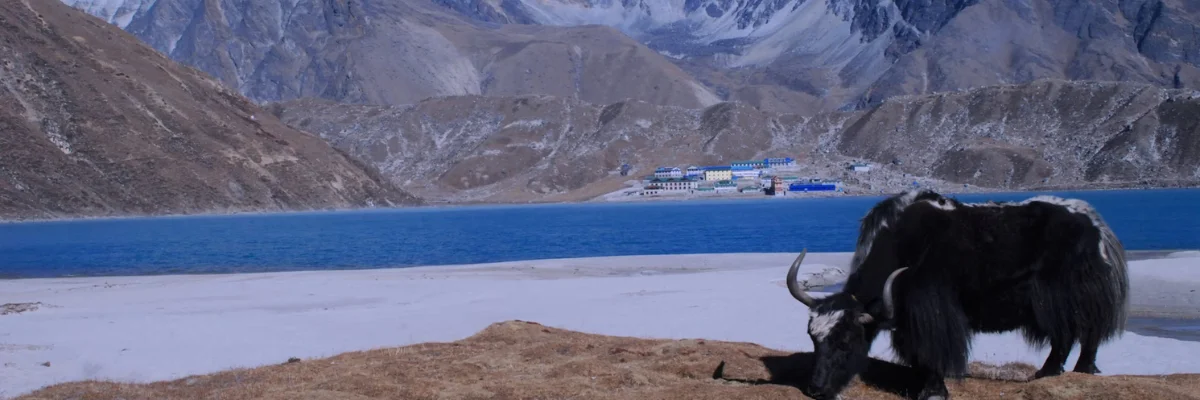
Have you ever imagined a place that is surrounded by snowy mountains, and in the middle, there is a turquoise lake? From the higher vantage point, you sit by the lake and just lose yourself in the silence and beauty of the lake. Gokyo Ri trek is an experience in the Himalayas with an amazing culture, people, and landscape.
Overview: Location and Altitude
Gokyo lakes lie in the Sagarmatha National Park in Solukhumbu district, Nepal. The lakes lie at an elevation ranging from 4,700-5,000 meters (15,400-16,400 ft), earning the title of the world’s highest freshwater lake system with six lakes.

The Gokyo Ri is the viewpoint on the west side of the Ngozumpa glacier and just above the Gokyo Lake. The exact coordinates of Gokyo Ri are 27.9608° N, 86.6811° E. Gokyo Ri is best known for the whole journey, but the best part is standing at 5,357 meters and the view from Gokyo Ri.
Gokyo Ri Highlights
The journey to Gokyo Ri presents unforgettable landmarks, with each having its significance. Let’s have a look at the landmarks and nature’s amazing creations.
Mount Everest
From the summit of Gokyo Ri, trekkers witness one of the most spectacular Himalayan panoramas, with Mount Everest (8,848.86 m), Lhotse (8,516 m), Makalu (8,463 m), and Cho Oyu (8,188 m) forming an unforgettable skyline.
The lesser-known Gyachung Kang (7,952 m) adds depth to this stunning vista, while the massive Ngozumpa Glacier, which is also the longest in the Himalayas, stretches dramatically below.
All six Gokyo Lakes shimmer in distinct turquoise hues, creating a surreal contrast against the rugged, icy peaks.
The view from Gokyo Ri offers an unmatched sense of scale, beauty, and serenity, making it one of the most iconic vantage points in the Everest region. You can book Everest Base Camp with Gokyo lake trek to explore these both amazing locations
Sunrise and Sunset
Sunrise and sunset from Gokyo Ri are moments of pure wonder, where the shifting light paints the Himalayan giants in gold, rose, and crimson tones.
At dawn, which marks the break of a new day, early risers see the sun throw out its first rays onto the peaks rising above a cloud. At the same time, the glaciers in the lower elevations sparkle from the first light of dawn.
As the day ends, the scenery changes with the low-angle light bringing out shades of orange, salmon, and pink which paint the walls of the mountain range and Mera Peak, setting a fire of colors over the landscape.
These golden hours are silent yet powerful reminders of nature’s grandeur, offering photographers and trekkers a deeply emotional experience that defines the true essence of Gokyo Ri.
Other things
- Interaction with locals gives you a chance to understand the Sherpa culture, traditions, and life in the mountains.
- Explore the monasteries; this visit will give you insight into Buddhism and its practices.
- Combining Gokyo lakes treks with Everest Base and high passes can be adventurous experience.
Top Things To Do Around Gokyo Ri
Gokyo Ri offers stunning views, serene lakes, and thrilling trails that capture the true beauty of the Himalayas.
Climb Gokyo Ri for Sunrise/Sunset Views
Climbing Gokyo Ri at dawn or dusk offers you Mount Everest, Lhotse, and Cho Oyu bathed in a golden light. The climb is steep but short, which in turn gives you access to a vast panorama of peaks, glaciers, and turquoise lakes.
At the summit, watch the sunrise or see the sunset, which is very peaceful and magical, making this a must-do in the Gokyo area.
Hike up to the 5th and 6th Gokyo Lakes
A scenic trail that goes from Gokyo village to the 5th and 6th lakes, which stand against the background of large snowcapped peaks. Those upper lakes are more remote and have few other visitors, which gives them a very peaceful and natural setting.
The hike is easy in terms of difficulty but very rewarding, which also includes the chance to see mountain wildlife and get up close to Cho Oyu and Ngozumpa Glacier.
Explore Ngozumpa Glacier Viewpoint
The Ngozumpa Glacier, which is the longest in the Himalayas, can be accessed via a short hike from Gokyo. At the viewpoint, you will see spectacular views of its icy peaks, crevices, and rock-covered surfaces which extend to the horizon.
To walk along the glacier’s edge is to step into a different world, and you really do feel the raw force of the Himalayan environment. It is a must-visit for people with an interest in geology and glacial scenery.
Visit the Little Stupa and Prayer Flags at the Top
At the peak of Gokyo Ri sits a little stupa, which is a circle of colorful prayer flags that dance in the wind. These symbols of peace and goodwill add to the spiritual aspect of the mountain.
Many travelers stop here to reflect, meditate, or put up a flag of their own. The soft sound of the wind and vast mountain views make it a very peaceful spot.
Cross Cho La Pass to reach Everest Base Camp
For adventurers out there, the route that takes you from Gokyo Valley to the Everest Base Camp trail is through the high Cho La Pass. This is a tough yet very pretty route that takes you through glaciers, rocky terrains, and amazing views.
The journey puts you in the midst of remote Himalayan landscapes, which you won’t forget. Also, we see here two great trails which have been put together into one great adventure.
See the reflection of Cho Oyu in Dudh Pokhari
Dudh Pokhari, the main Gokyo Lake, has still waters which mirror the mountains, especially Cho Oyu and its neighboring peaks, on clear mornings. This natural picture takes your breath away in the Everest area.

If you are into photography or just into peace and quiet, being by the lake as the reflection plays with the light is an experience that is calming, magical, and very rewarding all at once.
Best Time to Visit
The best time for the Gokyo lakes trek is during the spring and autumn. Spring is a month from March to May where the sky is clear, forests are blooming and trails are clear.
Another best time is during Autumn, from September to November during which you get to observe the Nepal’s biggest festivals Dashain and Tihar.
The trails are clear, snow is not the problem in most trails and unobstructed views of mountain is the main highlight.
How to Reach?
How to reach this remote Himalayan location is a big question, but worry not. There are two options.
By Trekking
Most people choose to trek, which allows travelers to completely experience the Himalayas; the Sherpa people, cultures, traditions, landscape, and so on.
The journey starts from Kathmandu or Ramechhap, from where you fly to Lukla and start your trek. You start trekking from Lukla and through Phakding, Namche Bazaar, Dole, and Gokyo village, and finally to Gokyo Ri.
By Helicopter
For those short on time or seeking a luxurious adventure, the Gokyo Lakes can also be accessed by helicopter. The flight offers breathtaking aerial views of Everest, Cho Oyu, and the turquoise Gokyo Lakes shimmering below.

It’s a thrilling way to witness the beauty of the Everest region without trekking days, giving travelers a unique perspective of the Himalayas’ stunning landscape.
Why Choose Himalayan Masters for Gokyo Ri Trek?
At Himalayan Masters, when you plan the Gokyo Ri Trek with us, we tailor it according to how you like to go about things, what is most comfortable for you, and which adventure elements you prefer.
If you want to take more rest days or explore the 5th and 6th lakes or the scenic pass routes of Renjo La or Cho La Pass, that can also be managed.
Our team of expert Sherpa guides looks after your safety, gives you cultural stories of the land, and handles all the logistics.
We provide comfortable lodges, follow eco-friendly practices, and back you up with reliable support as you embark on your journey to Gokyo Ri, which features turquoise lakes at the foot of massive peaks.
Things to Consider While Gokyo Ri Trek
These are the things that you should keep in mind while going on Gokyo trek.
Packing Essentials
Pack smartly and do not pack too many things. Warm clothes like a down jacket, gloves, trekking boots, and waterproof gear are necessary because the weather changes very quickly at high altitude.
Pack basic meds, sunscreen, sunglasses, and reusable water bottles to reduce waste.
Food and Lodges
Teahouses offer simple but filling meals like dal bhat, noodles, and soups. Expect food variety to reduce as you go higher, so carrying some energy bars or dry snacks is helpful.
Travel Insurance
Things happen in very unexpected ways at high altitude, so make sure you purchase an insurance that covers high altitude trekking above 5000 meters and emergency helicopter evacuation.
Altitude sickness
Gokyo lies above 4700 meters, so symptoms of high altitude sickness like headache, nausea, or fatigue can occur. Ascend slowly, hydrate well, and ignore serious signs.
Permits
You will need your entry permits for Sagarmatha National Park and Khumbu Pasang Lhamu Rural Municipality, which you can obtain in Kathmandu or Monjo.
Guide and Porter
Hiring a local guide means safe travel; they help you with navigation, communication, and cultural insights. In addition, a porter will carry your luggage for you and, at the same time, support the local economy.
Safety and Evacuation
Always be informed of trails and weather reports. Also have at hand the contact info of your trekking agency or emergency service.
Cultural Influence
Respect for Sherpa culture, monasteries, and prayer sites. Rotate around stupas in a clockwise direction, which is also known as pradakshina. Do not step on the prayer flags.
Water
At altitude, staying properly hydrated is crucial. Also, avoid the bottled water and instead try purification using tablets or filters for that tap or stream water.
Acclimatization
Stay an extra night in Namche and Gokyo for acclimatization. A slow ascent is key to avoiding altitude sickness.
Trail Conditions
The trail is steep in places, and it is rocky with ice in the cold months. Trekking poles really do help with balance.
Physical Fitness and Training
Train your cardio, leg strength, and endurance for a few weeks before the trek, which will help you with long climbs and high altitude.
Hot Showers, Wi-Fi, and Charging
Most lodges charge for these services, which also include the use of solar power. Bring a power bank and warm wipes as alternatives.
Snacks
Bring chocolate, nuts, or energy bars since prices increase at higher altitudes, and local options are few.
Machhermo Rescue Post
The closest altitude clinic is in Machhermo, run by the Himalayan Rescue Association (HRA). Check that they are open before your trek.
Avoid Plastic Waste
Carry your own bottles and bags. Properly dispose of trash to protect the fragile Himalayan environment.
Flight to Lukla
Flights depend on the weather, which causes delays and cancellations to be quite common. Book flexible travel dates and check them often.
Buffer Days
Add a few extra days to your trip, which will help in case of flight delays or altitude acclimatization.
Food Allergies
Notify your guide or lodge owner about your allergies in advance, which will help them to arrange substitutes as menu options are limited at high altitudes.
Loading...
related post


Author

Bryan BK is a storyteller at heart and an adventurer by soul. As a passionate writer and traveler, he finds inspiration in the places he visits and the people he meets. Through his words, he brings destinations to life, sharing experiences that inspire others to explore, dream, and discover.


Leave Your Comment