




Vegetarian and Vegan Food Options on the Trek in Nepal
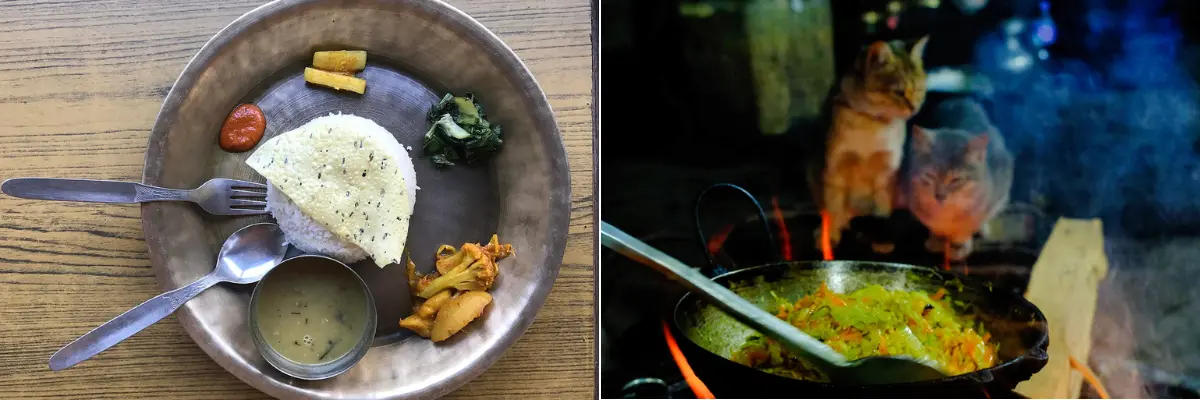
Now that you have decided to trek in the Himalayas, one thing that might be on your mind is probably the food. You must be wondering what type of food I will be eating while on the route. Especially, if you are a vegan, vegan trekking food Nepal is something you should look out for.
Trekking through the Himalayas, amid Himalayan giants, might seem raw and exciting. But what’s more exciting is the surprisingly delicious Nepali Tibetan delicacies.
For vegetarian and vegan adventurers, Nepal offers quite a wide range of food options. Whether you are exploring the Annapurna Circuit, the serene valleys of Langtang, or the mighty Everest Base Camp Trek, these local vegan trekking food Nepal will keep your taste buds happy. It not only nourishes your body but also your soul.
In fact, vegetarian and vegan food options are the heart of treks in Nepal. From refreshing breakfast and energizing lunch to hearty dinner, every meal serves the authentic experience. Trekking in Nepal offers the traditional taste of Nepali cuisine.
These locally grown plant-based diets make trekking in Nepal one of Asia’s most vegan-friendly trekking destinations. Along with breathtaking views and cultural immersion, get ready to taste the taste of the Himalayas.
Why is Nepal vegetarian-friendly?
Nepal is a vegetarian paradise for trekkers in many ways. Long before “plant-based” food was even a global buzzword, Nepal has been practicing vegetarian food as a natural part of their daily life.
Understanding what type of food to get on the trail gives you options to choose from. This makes the trip assuring and more enjoyable.
So, what really makes Nepal a vegetarian-friendly trekking destination?
Cultural Influence
Nepal’s mountain is influenced by Hindu and Buddhist culture, two of the major religions in Nepal. These religion holds strong beliefs in non-violence (ahimsa) and respect for all living beings.
This makes it really easy to find Nepal vegan food options, especially in traditional households and small teahouses along the trekking route.
You don’t have to make any special meal request; you can just ask for the standard meal. This makes the trek more welcoming, which is also a reason why Nepali vegan food is so accessible.
Meat Scarcity in High Altitudes
As you ascend to higher altitudes, the region transforms into the remote Himalayas. Here, proper meat refrigeration and supply systems are rare. Therefore, the teahouses must rely on locally available vegetables, lentils, and grains.

Additionally, due to the rugged terrain and extreme cold, livestock raising is a challenging endeavor. Furthermore, transporting meat from the lowland is an expensive choice. Meat is a luxury in the mountains.
As a result, vegan trekking is a practical and reliable source of food in high altitudes.
Dal Bhat Power, 24 Hour
When on the trail, you might often hear a phrase chanted by guides, porters, and fellow trekkers – “Dal Bhat Power, 24 Hour”.
In Nepal, particularly in the mountains where food is scarce, Dal Bhat is not only a food but a way of life. An unlimited supply of rice, lentil soup, and vegetable curry provides enough energy for the long treks. This makes Dal Bhat the undisputed champion of vegan trekking food in Nepal.

This simple yet wholesome meal is not only vegetarian but also easily accessible on all treks, including the remotest ones in Upper Dolpo or the Makalu Base Camp Trek.
In the premium Everest Base Camp Trek and Annapurna Base Camp Trek, you might even find soy milk or a veggie burger.
Common Vegetarian Dishes on Treks
When it comes to mountain food, simplicity is key. When you first take a look at the teahouse menu, it might seem simple, but it offers hearty, warming, and delicious plant-based options.
After a challenging day, walking up and down, and sitting down for a hot, freshly prepared meal is just perfect.
Trekkers can expect the following food options along the route:
Dal Bhat Tarkari
Unlimited refills of steamed rice, lentil soup, pickle, saag, and seasonal vegetable curry; it’s the ultimate fuel for your trek. Request it without ghee or dairy to make it a fully Nepali vegan food experience.

Vegetable Momos
These veganized Tibetan-style dumplings are one of the most beloved foods that every teahouse provides. Make sure there’s no paneer or butter used for vegan eaters.
Tibetan Bread or Chapati with Jam or Peanut Butter
It is probably the most popular breakfast choice in the Himalayas. Go for peanut butter or fruit jam to avoid dairy.
Fried Rice or Noodles with Vegetables (Chowmein)
A familiar and most common dish in almost all the treks in Nepal, fried rice or noodles with vegetables are a quick-to-go meal. It’s a comforting and rich in carbs, perfect for fueling up before or after the trek. Remember to order it without egg (no anda).
Potato Items
Potatoes are rich in carbohydrates, perfect for cold mornings and tired legs. When combined with turmeric, garlic, and mustard oil, they become a flavorful Himalayan vegan food staple.
Gundruk and Sinki Soup
These are one of the unique Nepali cuisines made from fermented and dried leafy greens (Gundruk) and radishes (Sinki). The soup has a distinctive, tangy, slightly sour flavor, is incredibly warming, and wholesome.
This dish offers the authentic Nepali preservation technique and reflection of culture for both vegan and non-vegan trekkers.
Other Vegetarian Options
Some of the other notable vegetarian options on the trail are:
- Aloo Tama: A traditional curry made with potatoes and fermented bamboo shoots—tangy and spicy.
- Vegetable Thukpa: Tibetan-style noodle soup with mixed vegetables—warm, hearty, and perfect for cold evenings.
- Boiled Potatoes with Spices: Served with salt, turmeric, chili, and a drizzle of mustard oil.
- Fried Seasonal Vegetables: A quick, simple stir-fry using whatever is fresh and local.
- Chapati with Veg Curry: Whole-wheat flatbread paired with a lightly spiced vegetable stew.
- Roti with Achar: Dry wheat bread served with spicy, homemade pickles (such as tomato, radish, and mango).
- Rice Porridge (Jau Ko Jhol): A warm, soupy dish made from barley or rice—filling and easy to digest.
- Makai Ko Roti: Cornmeal flatbread, often eaten with achar or saag—naturally vegan and energy-rich.
- Homemade Pickles (achar): Made from radish, mango, and tomato
Vegan-Specific Tips and Adjustments
While Nepal is quite vegetarian-friendly, you need to be extra careful if you’re a vegan. Many dishes that appear vegan can contain hidden animal products. However, with a bit of clarification and clear communication, it’s easy.
Here are some vegan-specific tips:
Avoid Ghee and Butter: Always specify that you don’t want any ghee, butter, or dairy. Say “no milk, no cheese” clearly. Ghee is often used in cooking unless otherwise requested.
Confirm No Eggs: Fried rice, noodles, and chapati often include eggs unless you ask them not to.
Tea with Plant-Based Milk: Most teahouses offer only cow milk, but you can carry your own sachets of plant milk or simply go for black tea.
Bring Your Own Snacks: High-protein vegan bars, dehydrated vegan meals, or nutritional yeast can supplement your vegan trekking food experience in Nepal.
Carry a Translation Card: Having a written note in Nepali that says “I do not eat milk, butter, cheese, eggs, or meat” can be incredibly helpful.
Ordering Food at Teahouses: What to Eat?
Communication is crucial when visiting new, unknown places.
The teahouse owners are kind and welcoming. But sometimes, due to a language barrier, they might not understand what you want to say. They will always appreciate your respect for their culture and will do their best to accommodate your vegan trekking needs in Nepal.

Further, it would be better if you could learn some Nepali phrases. You can learn to say “Dudh, ghiu, paneer, anda ra masu khaadina.”, which translates to “I don’t eat milk, ghee, cheese, eggs, or meat.” It would be even better if you could explain that you are vegan.
Additionally, try learning other Nepali phrases like “Namaste” (Hello), “Dhanyebad” (thank you), etc. This small effort can significantly improve your experience.
Respecting the Food, the Cook, and the Culture
In Nepalese culture, food is sacred. Even as you pursue vegan trekking food in Nepal, it’s important to be polite and grateful.
Most of the teahouses’ owners and the chefs are the locals who have lived there all their lives. So, the food prepared by them has a touch of raw, local flavor. Show gratitude, maybe tip a little extra.
Remember, all the meals prepared at high altitudes are prepared with immense effort. Ingredients are either carried for days by someone or are grown locally. So, it is customary that you appreciate their effort and eat your food clean.
The cook is working in a simple kitchen to prepare a warm, nourishing meal for you. Therefore, when making any vegan requests, try being polite and showing gratitude.
Also, the menu is limited due to remoteness. Being gracious and respectful not only ensures better service and hospitality but also defines your character.
Be humble and respectful.
The Best Vegan Backpacking Meals
As trekking in the Nepalese Himalayas is a pure, raw, remote experience, finding vegan meals in the teahouse might not always be possible. So, packing your own extra protein is a good decision.
Here are some great vegan backpacking meals that you can bring:
| Food Item | Why It’s Great for Trekking |
| Instant Oatmeal | Lightweight and easy. Just add hot water for a reliable breakfast. Add nuts or seeds. |
| Vegan Protein Powder | A great way to ensure you’re getting enough protein. Mix with water or add to oatmeal. |
| Nuts and Dried Fruit | The classic trail mix. Calorie-dense, nutritious, and perfect for snacking on the move. |
| Energy and Protein Bars | A quick, no-fuss way to refuel your energy stores during a tough ascent. |
| Nutritional Yeast | A lightweight, savory powder that adds a cheesy, umami flavor to potatoes, rice, or dal. |
| Peanut Butter Powder | Lighter than a full jar, just add water for a protein-rich spread for chapati or bread. |
| Dehydrated Meals | For ultimate backup, a lightweight “just-add-water” vegan chili or pasta is a great idea. |
Region Specific Notes
Each trekking region in Nepal has its own beauty and challenges. Everest is known for the world’s tallest peak, Mount Everest. Annapurna is known for its jaw-dropping scenery and vibrant rhododendron forests, Langtang for spotting the red panda, and Manaslu for its rich Tibetan culture.
Apart from this natural beauty, they are also renowned for some authentic local delicacies. While the most common food menu is Dal Bhat, potatoes, and noodles, the menu differs by a little depending on the region.
Here are some region-specific vegetarian and vegan notes that can help you plan better for your journey.
Everest Region
As the most popular and commercialized trekking route, the Everest region has a wide variety of food options. In more commercial villages like Lukla and Namche Bazaar, you can even find items specifically labeled “vegan”. You might even find soy milk.
However, most of the ingredients are flown in or carried by porters, so prices are higher.
Manaslu Region
The Manaslu Circuit is a more remote and less-traveled route. For that reason, the menus are more limited. Moreover, most of the food here is vegan-friendly.
As we move to a high-altitude village, the refrigeration system is not so good, particularly in the remote villages around Tsum Valley. So, instead of ordering a meat item, vegetarian and vegan options are the only options here.
The experience is more rustic, but the authenticity of the food is a reward in itself in the Manaslu region.
Annapurna Region
After Everest, Annapurna Base Camp and Circuit treks are well-established. They have excellent teahouses where each meal is prepared by a local chef, with traditional taste.
This route is famous for its apple orchards, particularly around Bhraka and Marpha. So, apple pie is the most common item you will see on the menu. Be sure to ask for the vegan version of the pie, made with oil instead of butter, for your Nepal vegan food.
Langtang Region
As Langtang Valley is especially known for its local cheese factories, you need to be extra careful when ordering. Make sure to inform the teahouse owner to exclude it from your meal.
The menus here are simple but heartwarming. Dal Bhat and other vegetarian staples are easily available here.
Due to the region’s proximity to Kathmandu, lower Langtang offers more variety in fresh vegetables than other treks, especially early on the trail. As you ascend, options become more limited, but basic vegan staples remain available.
Is a Fully Vegan Trek in Nepal Possible?
Absolutely yes! In fact, vegan trekking in Nepal is way easier than in most Asian countries. In the Himalayas, they usually practice a vegetarian culture. Dal Bhat and the abundance of fresh vegetables make vegan trekking food in Nepal possible.
With a little planning, clear communication, and a respectful attitude, you won’t just fill your belly but experience the raw taste of Himalayan cuisine.
From the growing vegan culture in Kathmandu, authentic Himalayan vegan food has gained popularity.
Pack your bags, practice your Nepali phrases, and get ready to enjoy the incredible vegan trekking food Nepal has waiting for you.
Loading...
related post


Author

Samyog Shrestha is a travel enthusiast and an excellent content writer at Himalayan Masters, the face behind the amazing content who likes to learn from experience.


Leave Your Comment