




Explore Chukhung: The Gateway to Island Peak
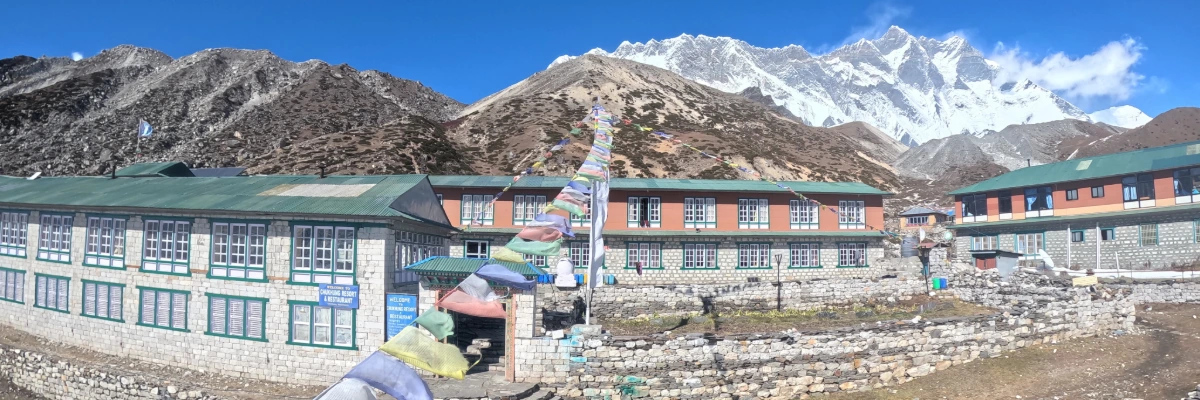
A small yet incredibly important Sherpa village in the Khumbu region of eastern Nepal, Chukhung is a beautiful and strategic rest and acclimatization village in Imja Valley.
Located within the protected area of Sagarmatha National Park (a UNESCO World Heritage Site), it is known for its spectacular mountain landscapes, glaciers, and rich Sherpa culture, attracting photographers from around the world.
This high-altitude village sits at an elevation of 4,740 meters (15,518 ft), serving as a strategic village for trekkers heading towards Kongma La Pass and mountaineers heading towards Island Peak Climbing.
It is a major stop for trekkers doing the Everest Three Pass trek, which is considered one of the best long and high-altitude Everest region treks.
Similarly, this village is home to a small Sherpa community. The village is also famous for its beautiful traditional houses, made of stone and wood.
Compared to the busy Everest Base Camp trail, Chukhung is quieter and more focused on trekking and preparation for beginner climbing. This village is used by trekkers, climbers, and photographers to rest, acclimatize, and plan the next phase of their journey. Additionally, if trekkers and climbers forget something or their gear is damaged, they can buy it here as well.
For those curious about this small Sherpa village, or who want to explore the eastern Khumbu region, here is all you need to know about Chukhung.

Where is Chukhung Located?
Chukhung is a remote Himalayan village in the upper Imja valley of the Khumbu region in northeastern Nepal. It is located at coordinates 27°54’18”N and 86°52’17”E.
Surrounded by peaks like Lhotse, Ama Dablam, Nuptse, and Pumori, Chukhung lies east of Dingboche village and serves as the gateway to the upper Imja valley.
Administratively, the village falls under Solukhumbu District, encompassing Sagarmatha National Park. This offers its visitors a chance to explore and experience varied landscapes and rich biodiversity.
History, People, Lifestyle and Culture in Chukhung
Chukhung is a small settlement in the upper Khumbu region of Nepal. Despite its remote location, the village reflects the rich culture and warm hospitality of the local people.
Most residents belong to the Sherpa community, who are known for their mountaineering skills, Buddhist traditions, and deep respect for the Himalayas.
The early settlement of Chukhung is said to have migrated from the Kham region of eastern Tibet to the Solukhumbu area. Due to political instability and favorable high-altitude pastures, people decided to live in the Khumbu region.
Before tourism boomed, this village used to be a pastureland where Sherpa people herded yaks and dzums for essential products, including milk, butter, cheese, and wool.
Life in Chukhung is simple and closely connected to nature. People of Chukhung run teahouses and lodges serving trekkers and climbers heading to Island Peak and nearby high-altitude destinations.
Similarly, tourism has become an important source of income. During the trekking season (Spring and Autumn), people serve tourists. During the off-season, they engage in livestock, farming, and yak herding.
Chukhung is a temporary settlement dedicated mainly to serving the trekkers and climbers because winter brings extreme cold. It makes it hard to live here permanently. So, locals usually descend to their villages in lower Khumbu.
Trekkers can see prayer flags flutter in the mountain wind, while mani stones and chortens remind visitors of the community’s strong spiritual beliefs. Since this village is a temporary settlement, the cultural and festive events are not celebrated as loudly as in Namche Bazaar.
Best Things to Do in Chukhung
Chukhung is a strategic base where trekkers and climbers prepare for adventures in the upper Khumbu region.
- Day Hike to Chukhung Ri: Hiking to the Chukhung Ri (5,550 m/18,209 ft.), which is about 4 to 5 hours round trip from Chukhung, and enjoy one of the best viewpoints in the Everest region with panoramic views of Everest, Lhotse, Makalu, Ama Dablam, and surrounding peaks.
- Prepare for Island Peak Climbing: Use Chukhung as a staging point for acclimatization, gear checks and purchase, and final training before climbing Island Peak.
- Acclimatize for high-altitude treks: Spend extra days here to adjust to the elevation before crossing high passes or attempting trekking peaks.
- Visit Nearby Glacial Areas: Take short, guided hikes towards the moraines and glaciers around the Imja Glacier for spectacular mountain scenery.
- Experience Sherpa hospitality: Stay in local teahouses, interact with residents, and learn about life in one of the highest settlements in the Khumbu region.
- Prepare for the Kongma La Pass: Many trekkers use Chukhung as a key stop before crossing the challenging Kongma La Pass (5,535 m/8,159 ft), and continuing their Everest adventure.
How to Reach Chukhung?
The journey starts with a short yet thrilling 35-minute flight from Kathmandu to Lukla (2,840 m/9,317 ft).
Trekkers trek through the upper Khumbu region, passing pine forests, stone-paved paths, small Sherpa settlements, and suspension bridges over the Dudh Koshi River.
After 3-4 hours of walking and covering 8 km (5 miles), trekkers reach Phakding (2,610 m/8,563 ft). It is a peaceful riverside village surrounded by forests and mountains.
After staying overnight at Phakding, you start your journey towards the “Gateway of Everest”, Namche Bazaar. The trail on this day is one of the most challenging days. Trekkers walk along Dudh Koshi River through pine forests and traditional Sherpa villages, crossing suspension bridges along the way.
After 6-7 hours of trekking and covering 10-12 km (6-7.5 miles), we reach our overnight stay, the Namche Bazaar. We can spend a day or two exploring and acclimatizing here.
Then, our journey continues towards high-altitude villages. We stay overnight in teahouses in places like Tengboche and Dingboche, before reaching Chukhung.
Tengboche is about 10.7 km (6.6 miles) and usually takes about 5-6 hours from Namche. Then, Dingboche is about 9 km (6 miles) away from Tengboche and takes about 5-7 hours depending on the pace of the walk. The trail feels harder because of the altitude, and it also includes gradual uphill and downhill.

From Dingboche, the trail separates from the main Everest Base Camp trail and leads east towards Chukhung village. Finally, after trekking for about 2 hours, we reach Chukhung. It is about a 5 km (3 mile) walk.
Can you take a helicopter to Chukhung?
Although a bit expensive, another easier, faster, and more comfortable option is a helicopter. Visitors can reach Chukhung directly on a helicopter while enjoying breathtaking aerial views of the Everest region, glaciers, deep valleys, and snow-capped peaks.
This option is ideal for those with limited time or anyone looking to avoid several days of trekking. It is also an excellent option for those who want to experience the Everest region in a luxurious way.
What kind of Accommodation is Available in Chukhung?
Accommodation in Chukhung is simple, high-altitude, and made for trekkers adjusting to thin air. Expect a simple and warm place to rest, which are family-run tea houses made up of stone, wood, and tin roofs.
Rooms are very basic with twin beds, thin mattresses, blankets, and sometimes extra quilts on request. There is no heating in the rooms, so nights feel extremely cold. You can use your sleeping bags at night for extra warmth.

Moreover, the landscape around Chukhung is wide and dramatic. You see big valleys, glacial rivers, and sharp peaks like Island Peak and Ama Dablam standing close in the distance.
The water supply is limited. In the early morning, pipelines often freeze, so water may not flow properly until the sun warms things up. Hot showers are available in a few lodges but usually cost extra and depend on weather conditions.
What Kind of Meals Can You Expect in Chukhung?
Food in Chukhung is simple and limited. You eat what is available in the tea houses. There are not many choices, and the menus stay basic. Most lodges serve dal bhat, noodles, fried rice, soups, potatoes, eggs, and Tibetan bread.
That is the main range of food on the trail. So, you do not really get options like in cities. In Chukhung, you simply eat what is served and accept it as part of mountain life.

Why is Chukhung called the Gateway to Island Peak?
Most beginner and aspiring climbers choose Island Peak as their first Himalayan climbing experience. It introduces them to technical mountaineering skills such as using ropes, crampons, harnesses, and ice axes.
Island Peak climbing teaches beginner climbers about the mental and physical adjustments that they have to make in a high-altitude environment.

The peak is also widely used as a training climb for beginner mountaineers preparing for higher and more challenging mountains such as Everest and Lhotse.
Chukhung village is called the gateway to Island Peak because of its strategic location. Chukhung serves as an important acclimatization and preparation stop.
Plus, it is a village where climbers can rest, refuel, and plan their climb with peace of mind as they get comfortable accommodation facilities and healthy food options.
Moreover, it also acts as the final logistics point for climbers. Gear checks, purchases, or hires, guide briefings, and final preparations are usually done here before heading to the Island Peak Base Camp.

From here, the route moves into remote alpine terrain with no permanent villages ahead.
It is also a key meeting point for guides, porters, and expedition teams organizing Island Peak climbs. This combination of access, preparation space, and altitude makes Chukhung a natural gateway to the peak.
Trekkers usually combine the Everest Base Camp trek with the Island Peak Climbing for a deeper and more complete Khumbu region exploration.
What is Chukhung to Island Peak Route Like?
The journey from Chukhung village to summiting Island Peak (6,189 meters/20,305 ft) includes a gradual but demanding high-altitude route.
Since there are no settlements beyond Chukhung, the trail heads east through the rocky Imja Valley, and climbers continue the journey by moving from one campsite to another and camping along the route. The terrain is dry and uneven with glacial debris and moraine sections.
After 3-4 hours, you reach Island Peak Base Camp, where climbers rest and prepare for the summit push. Numerous colorful tents can be seen in Island Peak Base Camp.

Beyond base camp, the route becomes more technical. Thereafter, the route crosses a glacier with crevasses, which requires very careful footing. Although fixed ropes are used to climb steep ice sections, as you move higher.
Ladders may be placed over crevasses depending on conditions near the summit ridge.
The final push involves a steep ascent on snow and ice before reaching the summit, offering wide views of the Everest region.
Loading...
related post


Author

Bryan BK is a storyteller at heart and an adventurer by soul. As a passionate writer and traveler, he finds inspiration in the places he visits and the people he meets. Through his words, he brings destinations to life, sharing experiences that inspire others to explore, dream, and discover.


Leave Your Comment