




Top 27 Sherpa Villages You Must Visit While Trek in Nepal
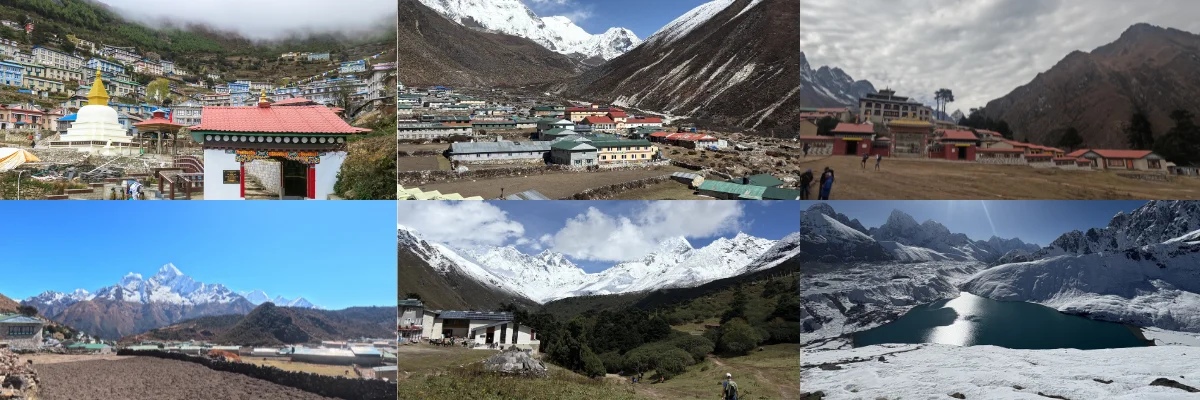
Sherpa villages are located high in the Himalayas and reflect a simple life full of struggles. These peaceful settlements are known for their stone houses, kids with pink cheeks, and warm services and support to tourists.
You must have heard the term “sherpa” widely used by trekkers or mountaineers. Sherpas mostly live in the Himalayas, and they know very well how to live in cold weather. They are the soul of Himalayan Trekking and peak climbing.
Who is Sherpa?
A Sherpa is someone from an ethnic group indigenous to the high Himalayas of eastern Nepal. Their strengths are their mountain skills, strong Buddhist faith, and cultural tradition.
The term “Sherpa” translates as “people from the east.” Sherpas have lived at high altitudes for generations and adapted to thin air and cold temperatures.
Many of them are internationally recognized as mountain guides and climbers, particularly on Everest.

Sherpa villages are located in the Solukhumbu district in the Sagarmatha region, including Namche Bazaar, Khumjung, Pangboche, and Thame in the valley of the Dudh Kosi river.
There are numerous Sherpa villages across the Himalayas of Nepal. These villages showcase their culture with monasteries, stone houses, prayer flags, and farming life shaped by mountains.
What Makes Sherpa Villages Unique?
Sherpas are unique not because they live in the mountains. They have a very unique approach to life and are built in the Himalayas, often above 3,000 meters (9,842.52 ft), where life depends on strength, teamwork, and tradition.
They help climbers and trekkers carry gear, essential life supplies, and other things to the top of the mountain. Sherpas have unreal physical capacity, which lets them carry heavy loads (48-140 lbs.) over 4,000 meters (13,123.36 ft), where even light walking becomes problematic for normal human beings.
Sherpas have very deep mountain knowledge. For generations, they have practiced understanding weather patterns, snow conditions, and safe climbing routes in the Himalayas. Such expertise makes them trusted guides worldwide.
Their homes are built from local stone to resist cold and wind. Windows and doors often have detailed wooden carvings. Mani walls, which are long stone walls scripted with Buddhist prayers, line village paths.
Their lifestyle is about farming, herding yaks, and work in mountaineering and tourism. Guiding, trekking support, and lodge management are their common occupations.
Sherpa villages are unique for their strong Tibetan Buddhist culture, traditional stone houses, colorful prayer flags, and deep connection to the Himalayas.
Located mainly in the Solukhumbu region of Nepal near Mount Everest, they are also known for the Sherpa people’s legendary mountaineering skills and warm hospitality.
Namche Bazaar: The Sherpa Capital
Namche Bazaar is considered to be the heart of the Khumbu Region and one of the most iconic Sherpa villages at 3,440 meters (11,286 feet). It is sometimes referred to as the Sherpa capital, because about three-quarters of its population are Sherpa.

The town is the starting point of Everest expeditions and many different trekking routes. The Sherpa Culture Museum is also located there, explaining the tales of early climbers and the traditional life and history of mountaineering in the Himalayas.
Old photos, climbing equipment, and personal records reveal how Sherpas helped make Everest expeditions what they are. Beyond tourism, Namche remains a cultural hub, where language, festivals, and community traditions continue to thrive.
Khumjung
Khumjung is an ancient Sherpa village in the Everest area. It is often called a sort of cultural center for all Sherpas. The vast majority of the population here is Sherpa, and traditional values are deeply entrenched. It is located at a height of 3,790 meters (12,434 ft).

The monastery in Khumjung contains some of the most significant religious relics in all of Nepal and is a central part of spiritual life. Yak Pastures and open fields with stone houses with green roofs dot the hills.
Khumjung is also home to the Khumbu region’s first school, founded with assistance from Sir Edmund Hillary. The village is a mirror of education, faith, and strong Sherpa heritage.
Khunde
Khunde is a small Sherpa village in the region high up the Khumbu valley of northeastern Nepal within Sagarmatha National Park.
It is located at an altitude of between 3,840 meters ( 12,598 ft) in the Khumjung Valley near the bigger village of Khumjung situated at the foot of the Khumbu Yul-Lha mountain.
The village is famed for Kunde Hospital, a facility launched in 1966 by Sir Edmund Hillary to serve residents of this remote Himalayan region.

Located less than 25 miles from Mount Everest and close to the Nepal-China border, Kunde shares trails and culture with the local Sherpa.
Thame
Thame is a Sherpa village in the Solukhumbu District of Nepal’s Koshi Province. It is situated at an altitude of 3,800 meters (12,467 ft) in the Khumbu Valley and was an old salt-trading route between Tibet, Nepal, and India.
The village is known in mountaineering history for being the home of mountaineering legends like Tenzing Norgay Sherpa and Apa Sherpa, with one of the region’s oldest monasteries. There is also a small hydropower plant here.
In August 2024, a glacial lake outburst flood occurred at Thame, which damaged several buildings; an example of life in the high Himalayas and how climate and nature have their role in influencing it.
Chhukung
Chhukung is a small mountain village in the Khumbu region of Nepal, high in the Himalayas at about 4,730 meters (15,520 ft) above sea level. It sits in the Imja Khola valley south of Mount Everest and is part of the Solukhumbu District in Koshi Province.
The village is mainly a stop for trekkers and climbers heading into the Everest area, especially those preparing for Island Peak (Imja Tse) climbs and high-altitude trips.
There are a handful of lodges used for rest and acclimatization before moving on to higher trails.
Chhukung lies near glaciers and huge peaks like Lhotse, Nuptse, and Ama Dablam, making its views dramatic and unforgettable.
Phortse
Phortse is a quiet Sherpa village in the Khumbu region of Nepal, sitting high at about 3,840 meters (12,598.43 ft) above sea level in the Solukhumbu District. It lies off the main Everest trekking circuit, so life here feels more traditional and peaceful compared to busier trail towns.
The village shows real Sherpa culture and mountain life, with stone houses, terraced fields, and wide views of Himalayan peaks like Ama Dablam and Thamserku.
Many local families work in farming, guiding, and climbing, and the Khumbu Climbing Center in Phortse helps train climbers from the region. It’s a good spot for trekkers who want a more authentic, less crowded experience in the Everest area.
Tengboche
Tengboche is a high mountain village in the Khumbu region of Nepal, sitting at about 3,867 meters (12687.01 ft) above sea level in Solukhumbu’s Khumbu Pasanglhamu rural municipality.
It’s best known for the Tengboche Monastery, the largest Buddhist monastery in the area, first built in 1923 A.D and rebuilt after earthquake and fire damage.

The village lies along the main Everest Base Camp trekking route, so many trekkers stay here and enjoy wide views of Himalayan giants like Everest, Lhotse, Ama Dablam, Nuptse, and Thamserku.
Tengboche has no road access, so people reach it by foot from Namche Bazaar and other trail towns. The monastery is also a spiritual center for Sherpa culture and tradition.
Pangboche
Pangboche is a small Sherpa village in the Khumbu region of Nepal, high up in the Himalayas at about 3,985 meters (13,074.15 ft) above sea level.
It sits in the Imja Khola valley, around 3 km northeast of Tengboche, and is part of Solukhumbu District in Province No. 1. The village lies along trekking routes to Everest Base Camp and Ama Dablam Base Camp, so many hikers stop here on their journey.
Pangboche is known for its old monastery, which once held relics linked to Yeti legends, and for its strong Sherpa culture and traditions. The local school was built by Sir Edmund Hillary’s Himalayan Trust in 1963.
Dingboche
Dingboche is a small Sherpa village in Nepal’s Khumbu region, sitting high in the Imja Khola valley at about 4,410 meters (14,468.5 ft) above sea level.
It’s part of Solukhumbu District in northeastern Nepal and lies along the trekking route to Everest Base Camp. The village is a key acclimatization stop for trekkers and climbers, helping them adjust to the thin air before going higher.

There are no roads, only mountain trails, and supplies arrive mostly by yak or mule. The area is surrounded by dramatic Himalayan peaks, with wide views of mountains like Ama Dablam and Lhotse.
Dingboche has a small community, guesthouses, and stone-walled fields where locals grow crops.
Lukla
Lukla is a small mountain town in the Khumbu region of northeastern Nepal, sitting at about 2,860 meters (9,383.202 ft) above sea level in Solukhumbu District, Province No. 1.
It’s famous as the main gateway for trekkers and climbers heading into the Everest region, especially for the Everest Base Camp trail.
The town has a tiny airport called Tenzing-Hillary Airport, known for its short, steep runway on a mountainside. Many people call it one of the most dangerous airports in the world because of its location and weather challenges.
Lukla also has shops, lodges, teahouses, and trail supplies for visitors beginning their Himalayan journeys.
Gokyo
Gokyo is a tiny village high in the Khumbu region of Nepal in Solukhumbu District, sitting at about 4,750 meters (15,583.99 ft) above sea level beside the third Gokyo Lake, called Dudh Pokhari.
It’s one of the highest settlements in the world, but most buildings are guesthouses for trekkers. People often leave in winter and stay lower down because the conditions are very cold.

Gokyo lies near the beautiful Gokyo Lakes, a group of sacred glacial lakes in Sagarmatha National Park, and at the foot of Gokyo Ri, a peak many hikers climb for stunning Himalayan views.
Marulung
Marulung is a small hamlet in the Khumbu region of Nepal in Koshi Province. It sits high from 4,150 to 4,210 meters (13,615 to 13,812 feet) in the mountains on ancient paths once used for trade between Nepal and Tibet, linking tiny settlements in the upper Himalayas.
The village is very quiet and rural, with stone houses and terraced fields that reflect traditional Sherpa life and farming. It lies near other high‑altitude places like Lungdhen, Gomo, and Machhermo, and is part of the trek routes used by hikers heading toward high passes such as Renjo La.
The landscape around Marulung is rugged, remote, and dotted with peaks like Kyajo Ri, giving wide views of the Everest region’s dramatic mountains.
Chaurikharka
Chaurikharka sits at around 2,619 meters (8,593 ft) in Solukhumbu near the start of the Everest Base Camp trail. The name means “grazing grassland for yaks,” so open green pastures frame the village.
Most residents are Sherpa and Kirati Rai people who farm, tend livestock, and host trekkers. Rhododendron and pine forests rise above terraced fields.
The view often includes distant Himalayan ridges. Chaurikharka offers a quiet stop before gaining altitude on the classic trek, with simple teahouses and mountain scenery.
Junbesi
Junbesi is a warm, cultural Sherpa village at 2,700 meters (8,858 ft) in lower Solukhumbu. It’s known for its monastery and community life, where locals practice Buddhism alongside traditional hill farming.
The village sits among rolling hills and green fields, with views of wooded slopes and distant peaks on clear days. Junbesi has traditional stone homes and terraced fields of potatoes and vegetables.
The people are mostly Sherpa, celebrated for welcoming visitors with local food and cultural events. Junbesi feels peaceful and authentic, quietly rich in heritage and mountain spirit.
Phaplu
Phaplu lies at about 2,400 meters (7,918 ft) in eastern Nepal’s Solu region, with a small airport linking it to other towns. It’s a mix of hillside farms, clusters of houses, and river valleys with broad mountain views.
The population is diverse, including Sherpa, Rai, and hill groups with Hindu and Buddhist traditions. Surrounded by green slopes and terraced fields, Phaplu lives from agriculture and local trade.
Its airport makes it a gateway for trekking or traveling deeper into the hills. Nearby forests and hills add calm beauty to daily life.
Ringmo
Ringmo lies beside the sacred Phoksundo Lake in western Nepal’s deep Dolpo valleys at 3,660 (12,010 ft).
Dolpo and Tibetan‑influenced communities live here, keeping yak herds and growing barley on terraces carved into slopes. The village feels ancient, with flat stone roofs and mani walls.
Towering cliffs and high ridges surround the vivid turquoise lake, and the air is thin and still. Snow peaks rise to the north, often dusted with snow year‑round.
Ringmo’s setting feels quiet and spiritual. People gather at local Chortens (stupas), chant prayers, and honor long mountain traditions in harmony with wild landscapes.
Bamti Bhandar
Bamti Bhandar lies along the Jiri-Everest trekking route, making it a gentle crossroad between hill villages and higher paths, located at 2,990 (9,810 ft).
Gurung and Sherpa families live here, farming maize, millet, and vegetables on terraced fields. The hills surround the village with pines and bushes that turn red in autumn. Mountaintops appear on clear days but feel distant, like silent, watchful giants.
Shops and teahouses serve travelers passing through. Life here balances farm routines with welcoming visitors. Birds call in the dawn mist, and the sound of bells from grazing cattle drifts up from the slopes.
Salleri
Salleri is the main town of Solukhumbu District at 2,360 meters (7,743 ft), with markets, schools, and busier streets than other villages. And cultural mix with Sherpa, Rai, Chhetri, and more blends here.
The town sits on a broad hillside surrounded by terraced slopes and forested ridges. From here, steep trails climb toward higher Everest villages.
Salleri’s environment is green with farmland and pine woods, and wide valley views stretch toward distant mountains. It’s where villagers trade goods and trekkers prepare before heading into the Himalayas.
Goli and Goli Gumpa
Goli is a small hillside Sherpa village in the mid‑hills of eastern Nepal, about 109 km east of Kathmandu, sitting at 4065 (13,335 ft) meters below pikey peak.
The people are often Rai, Sherpa, and hill ethnic groups, farming and tending livestock. Goli Gumpa refers to a local monastery (Gompa) that brings spiritual life to the area, with fluttering prayer flags and quiet paths winding through woodland.
Around the village, slopes rise with mixed forests and open pastures. Views on clear days show distant ridges and valley layers under vast skies.
Kharikhola
Kharikhola sits at roughly 2,020 meters (6,625 ft) in the lower Solu hills, beside the Dudh Koshi River valley. The village is an important stop on trekking and rural routes, with Sherpa, Rai, Magar, and other groups sharing mountain culture.
Sloping fields and stone houses scatter across the green hillsides. Forests of rhododendron and pine rise above, and the river’s echo fills cool air.
People farm and trade, and trekkers often pause here before heading higher up. Peaceful mornings bring misty views of wooded slopes and distant peaks.
Nunthala
Nunthala is a pleasant riverside village at around 2,200 meters (7,200 ft) in the SoluKhumbu region, where stone paths meet the Dudh Koshi River.
The mix of Sherpa, Rai, and other hill communities is characterized by farming, orchards, and animal herding. Terraced fields and forest patches frame homes and teahouses. The environment feels open and fresh, with river breezes and views of wooded hills.
Chheplung
Chheplung is a small hillside village near the lower stretches of the Khumbu trek, located at around 2,6660 meters (8,7272 ft). It’s quiet, with terraced fields rising up hillsides and forest edges of rhododendron and pine.
The people are mainly Sherpa and hill tribes, farming potatoes, barley, and vegetables while hosting trekkers on long‑trail days.
Open views show distant forested ridges and fluffy clouds above. Days here feel calm with mountain winds and birdsong, and it sits on classic trekking routes toward higher peaks.
Toktok
Toktok sits at about 2,760 meters (9,055.118 ft) near Phakding in the Khumbu region. Small and peaceful, it’s surrounded by green slopes and forests.
The community is mostly Sherpa and hill ethnic groups who farm, raise livestock, and welcome passing trekkers.
From Toktok, mountain views unfold toward wooded ridges and, on clear days, snowy peaks far above. With teahouses and fields, it feels like a first calm breath before heading higher along the Everest trail, with forest sounds and river whispers in the background.
Phakding
Phakding sits at about 2,610 m along the Dudh Koshi River and marks the start of higher Everest trekking routes.
Homes cluster beside rhododendron and pine forests, and locals are from Sherpa, Rai, and other hill groups who farm and guide.
The river’s turquoise water and narrow valley walls frame distant snowy ridges. Famous suspension bridges and mule trains add rhythm to village life. Phakding’s environment feels green and alive in spring and warm months, with cool mountain breezes under wide skies.
Jorsalle
Jorsalle lies at about 2,610 meters (8,563 ft) beside the Dudh Koshi River in Nepal’s Khumbu. It’s a small settlement of teahouses and lodges right before the trail climbs steeply toward Namche Bazaar.
The population is mixed Sherpa and trekking hosts who support hikers with food and rest. Surrounded by forest edges and river views, Jorsalle feels tucked into a cool valley throat.
With suspension bridges nearby and mountain forests above, it’s a calm stopping point where the big Himalayan peaks beckon just beyond the ridges.
Monjo
Monjo sits at roughly 2,835 meters (9,301 ft) on the banks of the Dudh Koshi River near the Sagarmatha National Park entrance.
The village is a key checkpoint where trekkers show permits. People here are mostly Sherpa and hill groups running lodges and shops. Forested slopes rise behind homes, and views reach toward higher alpine valleys.
Pines and rhododendrons add color in spring. It’s a balanced place, quiet village life mixed with the rhythm of trekking footsteps on dirt paths toward the snowy giants above.
Deboche
Deboche lies around 3,720 meters (12,532 ft) near Tengboche in the Everest region forest line. It’s quiet and spiritual, framed by tall rhododendron groves and pines.
Most people are Sherpa, and stone lodges host trekkers eyeing Himalayan peaks. Views open toward Ama Dablam and other giants on clear days.
Deboche feels remote and cool as altitude brings chill air and a deep sense of mountain calm. Locals balance farming and guiding, with prayer flags catching wind against blue skies.
Cultural Experiences Not to Miss in Sherpa Villages
Sherpa villages have unique cultural experiences that you shouldn’t miss.
Mani Rimdu Festival
It is a vibrant festival in monasteries featuring masked dances, chants, and blessings, which usually fall in autumn. This festival will give you insight into the Sherpa traditions and values.
Local Sherpa Home Meals
Traditional dishes like Thukpa, Thenduk, Dal bhat, mom, yak cheese, butter tea, yak meat, etc., give you a taste of Himalayan cuisines and the uniqueness of Sherpa cooking.
Butter Lamps Rituals
Lighting butter lamps in monasteries for good fortune and spiritual blessings.
Monastery Puja Ceremonies
Join or observe monks while they are performing prayers, chants, and sacred rituals. It will give you peace of mind and relax you.
Yak Herding Experiences
Observe or help villagers care for yaks, including grazing and milking, which is a core part of Sherpa life.
Sherpa Thangka Painting
Learn about the intricate Buddhist scroll paintings and their symbolism. These paints are very inspiring.
Khumbu Knitting & Handmade Wool Craft
Learn how women make warm clothing, blankets, and decorative items, using traditional techniques passed through generations.
Sherpa Storytelling Traditions
Hear legendary tales of Yetis, avalanches, spirits, and heroic mountaineering adventures, reflecting Sherpa values and history.
Village Farming Life
Explore terraced fields where villagers plant and harvest barley, potatoes, and vegetables at high altitudes, seeing how life thrives in the mountains.
Meditation or Prayer Sessions
Sit with monks during quiet meditation or prayer, feeling the calm and spiritual depth of mountain monasteries.
Best Treks to Experience Sherpa Villages
Nepal is a paradise for trekkers, not only because of the great Himalayan views. It combines nature, traditions, culture, and different experiences. The following are the treks to experience the Sherpa villages
Everest Base Camp Trek
Everest Base Camp Trek is the trek to the highest mountain in the world. People trek here to experience standing at the base of the highest mountain in the world.
Apart from that, Sherpa culture, traditions, and way of living are what excite trekkers. You can witness how sherpas celebrate their festivals, how sherpas marry, how sherpas carryout last rites, and everything about the sherpas is wholly or slightly different than normal Nepalese.
You stay in villages like Namche Bazaar, Khumjung, Tengboche, and Pangboche. These places show the Sherpa lifestyle, monasteries, farming, and mountaineering history.
Teahouses are owned by Sherpas who offer local food and warm hospitality. It is the most direct and complete cultural exposure to Sherpa villages while trekking in Nepal.
Gokyo Lakes Trek
The Gokyo lakes trek trail takes you through the same route as the Everest Base Camp till halfway. Villages like Dole, Machhermo, and Gokyo are small but culturally rich, where you see traditional homes, prayer walls, chortens, and the yak herding lifestyle.
Three Passes Trek
This is the high route through two valleys and classic Sherpa villages. Three Pass Trek links Namche, Thame, Lungden, and the remote high altitude villages above the usual tracks.
With the trek lasting longer, trekkers spend more time inside community spaces, beyond just overnight stops.
Old monasteries, trade-route villages, and yak camps come into view along the way. Culture unfolds gradually through distance. It’s tough on the body, yet culturally fulfilling for anyone who seeks wide and diverse Sherpa exposure.
Ama Dablam Base Camp Trek
This shorter side trek branches toward the base of Ama Dablam through deeply rooted Sherpa villages. Pangboche stands out with one of the oldest monasteries in the region.
The trail is quieter than the main Everest route, so village interaction feels more natural.
You see farming terraces, prayer sites, and family lodges. Cultural observation comes easily because the pace is relaxed. It’s a focused cultural walk with strong mountain presence but without extreme altitude stress.
Pikey Peak Trek
Pikey peak trek lower-altitude trek moves through the Solu region, where Sherpa culture feels rural and grounded. Trails pass farmland, grazing fields, and scattered hill villages.
Homestays and small lodges give direct contact with local families. Monasteries and community schools appear along the route.
Cultural experience here feels close and unfiltered because tourism volume is low. It suits trekkers wanting Sherpa heritage without high passes. Mountain views are wide, but village life is the real highlight.
Solu Sherpa Heritage Trail
This trail is designed mainly around Sherpa culture rather than altitude goals. It links heritage villages, monasteries, and community projects across Solu.
You walk through settlements where traditional farming, weaving, and rituals are still active. Many stays are community-run lodges or home stays.
The route is accessible and educational, with cultural centers and museums along the way. It works well for trekkers who want learning and interaction more than physical challenge.
Rolwaling Valley
Rolwaling is remote and quiet, with small Sherpa villages like bedding set deep in a glacial valley. Culture here feels preserved due to limited visitors. Homes are stone-built, lifestyles are pastoral, and monasteries are central to village rhythm.
Facilities are basic but genuine. You see yak herding, seasonal farming, and traditional mountain living. Interaction is simple and direct. This trek fits those who value cultural authenticity and isolation over comfort and busy trails.
Makalu Base Camp Approach Villages
The approach to Makalu Base Camp crosses eastern highland villages where Sherpa and related mountain groups live. Settlements are spread out and agriculture-based.
Culture shows through food habits, house styles, and local festivals. Lodges are simple and locally operated. Because the trail is less traveled, conversations feel unhurried and real.
You experience mountain culture without commercial trekking pressure. It’s a strong choice for trekkers who want both cultural depth and wild terrain.
Conclusion
Sherpa villages are worth visiting not just for the journey, but for the feeling they leave in your chest. Walking here is like moving through a living Himalayan heritage, where culture, faith, and mountain life still breathe in everyday moments.
These places offer more than views. They offer stories, kindness, tradition, and a deeper way to see the mountains through the people who belong to them. Travel with care, respect local customs, walk gently, and listen more than you speak.
For travelers who want to explore with meaning and proper local support, Himalayan Masters provides guided trips, cultural insight, and flexible trekking plans shaped around your journey.
Loading...
related post


Author

Bryan BK is a storyteller at heart and an adventurer by soul. As a passionate writer and traveler, he finds inspiration in the places he visits and the people he meets. Through his words, he brings destinations to life, sharing experiences that inspire others to explore, dream, and discover.


Leave Your Comment