




Everest Porters: The Hidden Heroes Behind Each Summit
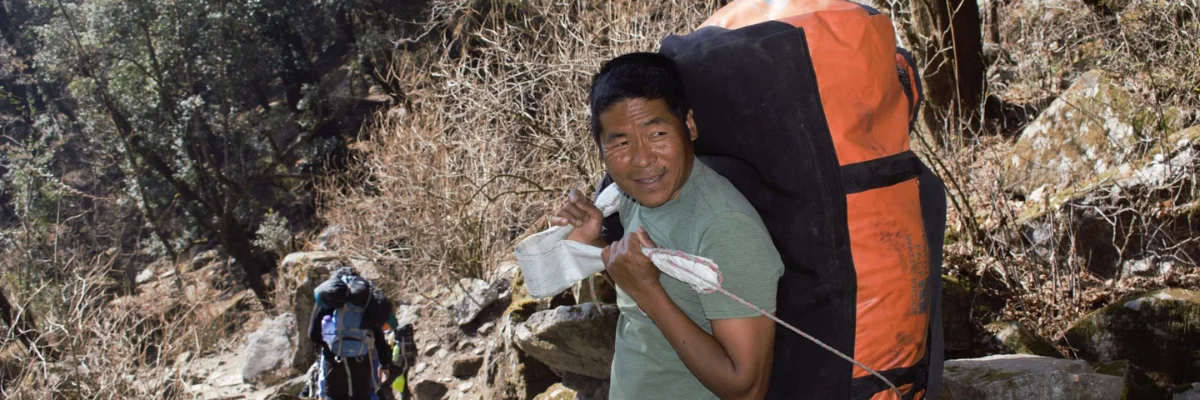
Mount Everest is a dream of a number of trekkers and climbers. They come from all over the world and enjoy the Himalayas. The real heroes of the mountains are the Everest porters.
They carry huge bags, food, tents, trekking, and climbing equipment. They trek the lengthy routes on hilly, cold, thin air paths. It is through their hard work that each trek and expedition is made possible.
It is unsafe and impossible to trek and climb in the Everest region without the presence of the porters. They are the pillars of Everest tourism and a significant element of the mountain life of Nepal.
What Are Everest Porters? Who Are They?
Porters are an important part of the Everest Region. They are also known as the backbone of trekking and expeditions. All trekking and mountaineering rely on them. It is nearly impossible to transport supplies and luggage without the assistance of porters.
In simple terms, an Everest porter is the one involved with carrying loads on behalf of trekkers and climbers. They carry bags, food, tents, and gear on a steep trail at a high altitude. Their effort simplifies and removes risks on the trek.
There are various types of porters in the Everest Region. On treks like the Everest Base Camp Trek, the trekkers leave their luggage with trekking porters.
Expedition porters act as part of climbing groups and carry heavy equipment to high camps. Their work is also riskier as they work at extremely high altitudes.
Porters and Sherpas are considered the same by many. This is incorrect. Porter is one of his employees; Sherpa is an ethnic group residing in that area. High-altitude workers are climbers who are trained to repair ropes, set camps, and assist climbers to the summit.
The ethnic communities of Nepal represented by porters are Rai, Tamang, Gurung, Sherpa, and Magar. They are generations old, and they are familiar with the mountains.
Portering in Khumbu began before the tourism industry began. Due to the absence of roads, a person had to deliver the goods between the villages. With the development of tourism, portering developed into a profession.
Most porters are raised in elevated hills. Their bodies automatically adjust to the air that is thin and steep in terrain.
At such an early age, they work in the fields, haul logs, and walk long distances. It is their way of living that makes them robust, hardworking, and fit to work in the mountains.
Life of an Everest Porter
Everest porter life is hard. The Trek to Everest Base Camp begins early in the morning. Most of the porters wake up at 5 or 6 am, have tea, pack their baggage, and get ready to walk.
In the morning, they carry away heavy bags after breakfast. Depending on the route and weather, they walk 5 to 8 hours per day.
They also get little tea breaks in teahouses to relax, get warm, and recharge themselves. They arrive at the next village in the evening, where they sleep, eat dinner, and sleep early the following day.
Porters are highly experienced in carrying weights and elevating. Their baskets are traditional in nature, known as Doko, and weight-carrying straps referred to as Namlo. They strive to support their muscles, move slowly, and rest to acclimatize to the elevated conditions.

Their work is hard. They pass through steep and rocky paths, go through suspension bridges, and experience varying weather. It is chilly, snowy, and quite windy. Their daily problems include fatigue and injuries, and they are always at risk of altitude sickness, particularly at high altitudes.
Despite such difficulties, Everest porters are strong and willed. They have sought to make Himalaya trekking and expeditions sustainable through their daily routine.
Roles and Responsibilities of Everest Porter
Everest Porters have numerous roles when they are on a trek or expedition. They assist trekkers, guides, and climbing teams in numerous aspects, and each trek is safer, arranged, and successful.
Moving Necessary Tools, Food, and Packing to Trekkers
The primary occupation of a porter is to transport loads, which include bags, tents, sleeping bags, food, and equipment of trekkers. This helps trekkers to trek without the burden.
Multi-functioning Porters
A good number of porters are familiar with the trails. It is knowledge of the land, the climatic conditions, and the villages. Others even offer trekkers guidance, route information, and even recommend safe routes.
Maintaining Pace and Safety
Porters are used to ensure a constant pace. They observe trekkers and warn guides when they appear tired and ill to increase trail safety.
Logistical Support
Porters transport supplies from one place to another. They transport tea houses and equipment to camps serving both food and fuel. In camps, they assist in the construction of camps and take care of equipment.

Emergency Assistance
Porters assist ailing or injured trekkers in case of emergencies. They support guides during evacuations and the transport of individuals to a safer location, providing quick aid that can potentially save a life.
Cultural Exchange
The porters engage in common culture, language, and traditions with the trekkers. They narrate about life in the mountains, celebrations, and villages. This renders trekking in a more meaningful and personal way.
Support Local Economies
The communities in the mountains have income earned through portering. The funds are used to assist families in terms of food, education, and health, and develop remote village development.
Sherpa vs Porter- Misconception
People often make the mistake that a Sherpa and a porter are equivalent. A Sherpa is an ethnic, not a job, and a porter is a job. The Sherpas have their own unique culture, language, and traditions, and are native to the Khumbu region.
Any porter can belong to any ethnicity: Rai, Tamang, Gurung, Magar, or Sherpa. Porters are people who carry loads up the mountains. Thus, not all Sherpas are porters, and not all porters are Sherpas.
A climbing porter is an individual who carries climbing equipment to high altitude camps in climbing expeditions. They deal outside trekking paths and are at higher risk.
A large number of climbing porters grow up to be high-altitude climbers or high-altitude expedition Sherpas.
Expedition Porter vs Climbing Porter
The Porters in the Everest region carry out various tasks depending on whether the expedition is trekking or climbing.
Common trails that trekking porters are usually employed to include EBC, Gokyo Lakes, and the Three Passes trek. Their main duty is to transport the luggage, food, and supplies of the trekkers.
These trails are not as high as the climbing expeditions, and although the geography may be difficult, it is not as risky.
Next porters on treks typically move long distances in one day, 5 to 8 hours often, on rough paths, to see that trekkers are comfortable on their trek.
Climbing or expedition porters work in elevated regions, where they transport bulky equipment, tents, rope, oxygen cylinders, and other gadgets required to reach the top of Everest or another upper mountain. Their job is hazardous and demanding. They operate in brutal cold, fierce winds, and treacherous, mountainous terrain.
Due to these threats and physical loads, the wages of expedition porters are generally better than those of trekking porters.
Their involvement is critical to the achievement of climbing expeditions. They set up camps, haul equipment, and sustain climbers in very demanding environments.
Expedition Porter vs Climbing Porter
The most common misunderstanding is between Sherpas and Porters. Sherpa is an ethnic community a part of the Khumbu region in Nepal with a unique culture, language, and heritage.
After generations of living in high mountains, Sherpas have natural power and strength at high altitudes.
A porter is anyone whose job is carrying loads, regardless of ethnicity, be they Rai, Tamang, Gurung, Magar, or Sherpa.
Some Sherpas work as porters, but many become guides or high-altitude specialists directing climbers to the summit. Not every Sherpa carries loads.
Porters in trekking do little more than carry luggage over trekking routes, but expedition porters perform more dangerous and higher work, with heavy climbing equipment.
It is critical to know the difference. It also highlights the aspects of physical opponent power, but specifically the competence, effort, and centrality that porters contribute to tourism and mountaineering in the Everest area.
Safe, Ethical, and Trained Porters: How to Hire
The hiring of porters in Nepal takes strategic thinking. Most of the trekkers use the services of the well-established trekking agencies, which is the best and most secure way to ensure that the porters are well-trained, well-equipped, and treated fairly.
These agencies oversee all aspects: they appoint experienced personnel, pay decent wages, and do not overload them.

Porters in Nepal can be employed individually as well. Although this is possible, this method poses challenges.
Experience or training of the porter is difficult to verify, and hiring independently may lead to unjust salaries or unsafe working conditions.
These are some of the risks that trekkers should consider before employing porters themselves.
Advantages of Hiring by Trekking Agencies
There are numerous advantages to using the services of reputed trekking agencies for hiring porters.
These agencies provide health and accident insurance, a good wage, and a reasonable rest by porters on their treks. They also impose a load limit that avoids overworking and reduces the risk of injury.
Trained agency porters are conversant with pathways, meteorological factors, and safety measures in the high atmosphere; the trek is safer and more comfortable for everybody.
Hiring Independently Risks
It could seem easy to have porters on board, but there are risks associated with this approach. It can be hard to confirm the experience and physical condition of a porter and his knowledge of the trail.
Independent hires also lack emergency assistance, and the porters, as well as trekkers, are exposed.
Agency hiring provides a more secure, ethical, and organized trekking experience. It is fair in its treatment of local porters, respects their rights, and enables trekkers to enjoy the mountains without trouble.
How Much Do Everest Porters Make?
One of the hardest working groups in the mountains is the Everest porters, whose wages are based on their strenuous work.
Trekking porters hired by respectable trekking agencies in such destinations as Everest Base Camp make approximately USD 25-30 per day.
This charge usually includes food, accommodation, and primary insurance, and this will guarantee they are insured as they continue doing their tough job.
Trek porters carry gear and food, etc., of the trekkers. They work extra hours on hilly tracks usually 5 to 8 hours a day and carry heavy loads.
Expedition or climbing porters receive higher since they are exposed to more hazards at high levels.
These porters engage in carrying heavy climbing equipment, tents, and oxygen bottles to camps above the base camp of Everest in harsh temperatures and in the extremely thin air.
A climbing porter can make USD 100 per day, depending on the expedition and altitude of the camp. This increased wage is a reflection of physical labor and the risks as well.
In places like Annapurna or Langtang, porters usually earn USD 18-25 per day, which is a bit lower than in Everest since the routes are shorter, and the height is not high.
Porters can make USD 30-35 a day in remote places such as Manaslu or Kanchenjunga, where paths are more difficult and where the villages are separated by long distances.
Trekkers Roles to assist Porters for Responsible Tourism
The work of porters can be made safer and more decent. The easiest method is regular tipping. USD 10-15 daily as a tip is good and a long way to help the porter and the family.
Not overpacking is another important step. Only carry what should be carried because porters can carry loads safely without straining their bodies.
Keep up with their speed and frequency. Porters take hours to walk, and they require frequent rest to prevent fatigue and altitude sickness.
By helping to support local porter cooperatives, more power is given to the communities, and these important workers are affording stability.
Lastly, it is important to raise awareness regarding the hard work of porters. Publish their stories, applaud their initiatives, and promote responsible tourism. This makes sure that the Everest porters are treasured, safeguarded, and treated with respect.
Small steps by trekkers can make a big difference in ensuring that the trekking is safer and fairer to all stakeholders.
Conclusion
The real heroes of trekking and climbing in Nepal are their Everest porters. They will bear great weight, will withstand bad weather, and will go through steep foot simply because the trekkers and climbers will have a safe experience in the mountains.
Be it leading, provision of logistical support and emergency aid, or cultural exchange and encouragement of the local economies; porters are involved in it all.
It is their determination, power, and endurance that make every journey worth listening to. The trekkers can pay tribute to their labor by hiring right, paying well, appreciating their speed, and educating. These unsung heroes need to be appreciated and treated, as without such, Everest would be different.
Loading...
related post


Author

Swostika is a content writer at Himalayan Masters as well as a travel enthusiast. She loves to travel and learn about different cultures and people. With a love for writing, traveling, and embracing diverse cultures, she is on a journey to explore and inspire through words.


Leave Your Comment