




Are Off the Beaten Path Treks in Nepal Really Worth It?
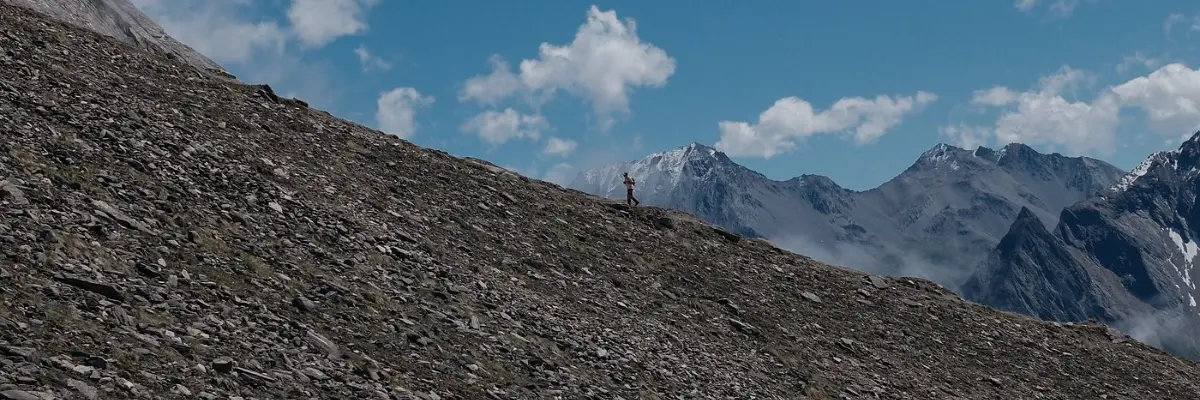
Nepal has long been known as one of the most beautiful and adventurous destinations for trekking and mountain adventures. While classic trails like Everest Base Camp (EBC) and Annapurna Base Camp (ABC) dominate the tourism map, more and more adventurers are turning to off the beaten path trails in Nepal.
These hidden trails are gaining popularity among those seeking solitude, raw natural beauty, and true cultural immersion. In a nation where every valley between the mountains has its own individual story, it’s little surprise that the off the beaten path trails are now attracting adventurous and curious trekkers.
This shift towards off the beaten path trekking isn’t just avoiding the crowd; it’s about the raw, authentic, and peaceful environment. It’s about self-realization, where you only hear the bell tolling and monks reciting prayers, prayer flags fluttering, roaring of rivers, horse’s hoofing, and your breath.
These lesser-known trails promise not only solitude but also a deeper connection with the unique Tibetan cultures, nature, and even yourself.
But the big question remains—are the off the beaten path treks in Nepal really worth it?

What Does “Off the Beaten Path” Mean in Nepal?
“Off the beaten path” refers to those remote trails, far from modernization, city noise, and overcrowded tourist zones.
Particularly in the Nepali trekking world, venturing off the beaten path means choosing to trek in a less-visited route than the well-established trails. It means trekking on some of the most unique and undisturbed trails, sometimes in restricted valleys.
They are trails where you may trek days without seeing another foreign trekker, where teahouses are nonexistent or occur rarely, and where local culture has not yet been touched by mass tourism.
Offbeat trekking in Nepal means immersing yourself in places where time moves more slowly, the air is fresher, and mountain life remains authentic to nature. These routes usually pass through protected areas, ancient trade routes, or remote villages hidden within the inaccessible parts of the Himalayas. It’s not just about abandoning the crowds behind—it’s a search for Nepal’s real essence.
Pros of Offbeat Trekking in Nepal
Choosing to trek off the beaten path in Nepal introduces trekkers to a world far beyond usual life. While the bike ride or motor ride might be easy and comfortable, these challenging trails are undeniably stunning and richer in every sense.
Here are some key advantages that make offbeat trekking truly worth it.
Unmatched Solitude: You’ll walk for hours or even days without encountering other trekkers, making the journey peaceful and meditative.
Raw Natural Beauty: These trails often pass through untouched landscapes, dense forests, glacial lakes, and high mountain passes that remain pristine and less polluted.
Deep Cultural Immersion: Trekking through remote villages offers chances to engage with indigenous communities and witness traditional lifestyles untouched by commercial tourism.
Photographic Opportunities: Unique scenery, traditional architecture, and wildlife sightings provide rare moments that are hard to find on popular routes.
Meaningful Connections: Staying in local homes or basic teahouses helps foster genuine interactions with host families and villagers.
Adventure and Challenge: The ruggedness of off the beaten path hiking trails adds a sense of real exploration and accomplishment.
Support for Underserved Communities: Your presence directly contributes to the local economy of places often overlooked by mainstream tourism.
No Tourist Traps: You avoid commercialization, inflated prices, and the repetitive services of overdeveloped trekking routes.
Greater Self-Reliance: With fewer facilities, you learn to depend on your preparation, instincts, and team—sharpening your trekking skills.
Authenticity: You get to experience the real Nepal—the kind that books and Instagram often miss.

The Challenges You Must Consider
Although these offbeat treks are immersive and breathtaking, challenges come along. These treks are often physically demanding, requiring several days of walking on rugged, less-maintained trails, along with steep ascents and descents.
Remoteness
The remote nature of these trails means less developed, with limited facilities and services. This often necessitates camping and carrying all necessary supplies, including food and shelter.
Basic Accommodation
The teahouses are also basic, offering simple local Tibetan delicacies. In addition, these teahouses provide basic accommodation. Don’t expect any luxury.
High-Altitude Terrain
These off the beaten path in Nepal are often associated with walking through some of the high-altitude passes and villages, possessing inherent risk of altitude sickness.
Altitude Sickness
Typically, trekkers above 2,500 meters (8,000 ft) can experience symptoms of altitude sickness. They can show symptoms like loss of breath, insomnia, anorexia, dizziness, etc.
Always Changing Weather
Another common challenge you’ll face off the beaten path is unpredictable weather. The weather in the Himalayas can change at any time. A clear morning can change into foggy noon.
Be cautious. If there are high winds or snow, halt your trek. You can learn how to read cloud patterns, too.
Logistics
Furthermore, for first-time trekkers, arranging permits, transportation, accommodation, meals, and even guides and porters can be tricky. Hiring a local trekking agency is a good choice, as they will arrange everything.
Isolation
Although off the beaten path is associated with silence and solitude, sometimes this solitude can be mentally disturbing. Especially in the case of emergencies.
In one of the remotest trek routes, such as the Upper Dolpo Trek and Tsum Valley Trek, where medical facilities are limited, the only means of evacuation is by helicopter.
Who Are Offbeat Treks Ideal For?
Off the beaten path treks in Nepal are ideal for those looking for raw adventure and deeper cultural immersion. These trails are perfect for seasoned trekkers, who value silence and personal transformation.
These routes are a paradise for nature lovers and explorers. Here, you can explore diverse landscapes from low-altitude valleys to high-altitude alpine vegetation. Likewise, exploring some rare Himalayan wildlife, such as the snow leopard, red panda, musk deer, Himalayan Monal, and Himalayan Griffon, among others.
For those with photogenic eyes, these paths offer some of the most stunning, pristine landscapes. The panoramic mountain views, sunrise and sunset views, photographing local life, and everything in the mountains is nothing like you have seen. They are just magical.
Moreover, these paths are for those who have already been to famous treks and now want something deeper. Or even the Rupinala Camping Trek and Mera Peak Trek are ideal for beginners looking to start a Himalayan, off the beaten path experience.

Top 7 Worth-It Offbeat Treks in Nepal
For those ready to embrace the challenge and rewards of an off the beaten path adventure, Nepal offers a plethora of breathtaking options. Here are seven of the most worthwhile remote treks:
| Trek Name | Duration | Max. Elevation | Difficulty | Highlights |
| Kanchenjunga Base Camp Trek | 20-26 days | 5,140 m (16,863 ft) | Strenuous | Views of the world’s third-highest peak, diverse ecosystems, and encounters with unique wildlife in a restricted region. |
| Upper Dolpo Trek | 25-27 days | 5,320 m (17,454 ft) | Strenuous | A journey into a remote, culturally Tibetan region with ancient monasteries and the stunning Phoksundo Lake. |
| Manaslu Circuit Trek | 15-17 days | 5,106 m (16,751 ft) | Challenging | A classic yet less crowded alternative to the Annapurna Circuit, offering incredible mountain views and rich cultural experiences. |
| Makalu Base Camp Trek | 22 days | 4,870 m (15,978 ft) | Strenuous | A trek to the base of the world’s fifth-highest mountain, passing through the pristine Makalu Barun National Park. |
| Nar Phu Valley Trek | 19 days | 5,320 m (17,461 ft) | Challenging | A journey into a hidden valley that was opened to trekkers only in 2002, offering a glimpse into a unique Tibetan-influenced culture. |
| Tsum Valley Trek | 15-20 days | 3,705 m (12,156 ft) | Moderate to Strenuous | A sacred Himalayan pilgrimage valley with a distinct culture, ancient monasteries, and stunning views of the Ganesh Himal and Sringi Himal ranges. |
| Rara Lake Trek | 10-16 days | 3,691 m (12,110 ft) | Moderate | A trek to the largest lake in Nepal, located in the remote and beautiful Rara National Park, offers a peaceful and scenic experience. |
Expert Tips for Offbeat Trekking
To make your off the beaten path adventure safe and successful, thorough preparation and expert guidance are essential.
Here are a few tips that you should follow for offbeat trekking.
Hire a Local Licensed Guide and Porter: Hiring a local guide will not only provide you with insight into terrain, culture, and local rules. Also, they are your only friend and support on their trek. By hiring a local guide and porter, you are promoting sustainable and responsible trekking in Nepal.
Do Your Research: Before you start your off the beaten trek, it’s vital that you research thoroughly on your chosen route. Research its difficulty, weather patterns, permits, and logistics.
Pack Smartly: Smart packing is the most important part of trekking in one of the most challenging regions of Nepal. Follow layer packing according to your preference, according to the season you’re trekking.
Acclimatize Properly: To avoid any chances of altitude sickness, ascend slowly at a steady pace, stay hydrated, and include rest days in your itinerary.
Get Comprehensive Travel Insurance: Getting a travel insurance that covers high-altitude trekking, emergency helicopter evacuation, and all medical bills is a must.
Stay on Trails: Drifting off the trail not only poses a risk of getting lost or encountering hazards, but also disturbs the natural habitat. So, follow the standard route, carry and learn to use a map and compass, and look for signboard signs, or ask locals for the route.
Respect Local Culture: Be mindful of local customs and traditions, dress modestly, and always ask for permission before taking photographs of people and before entering the teahouse’s kitchen.
Offbeat vs. Classic Trails
Well, it’s a challenging decision whether to choose the popular classic trail or the less trodden, peaceful trail. But the ultimate choice depends on your trekking style, experience, fitness level, and what you’re looking forward to on your trek.
So, let’s compare them, and then you can make your choice.
| Feature | Offbeat Trails | Classic Trails |
| Crowds | Fewer trekkers, offering solitude and a sense of remoteness. | Often crowded, especially during peak season (spring and autumn). |
| Infrastructure | Limited teahouses and lodges, often requiring camping. | Well-developed network of teahouses, lodges, and restaurants. |
| Difficulty | Generally, more challenging due to rugged terrain and lack of facilities. | Moderately difficult, with well-maintained trails. |
| Cultural Experience | More authentic and immersive cultural interactions with remote communities. | Cultural experiences can be more commercialized due to high tourist traffic. |
| Cost | Can be more expensive due to the need for special permits, guides, and camping equipment. | Generally, more budget-friendly due to the availability of a wide range of accommodation and food options. |
| Accessibility | Often require longer and more complex travel to reach the trailhead. | Easily accessible with flights and road transport to the starting points. |
How to Plan an Offbeat Trek in Nepal
Now that you have decided which path you want to trek, proper planning is required.
We highly recommend hiring a reputable trekking agency in Nepal for an easy and comfortable experience. They will handle all the necessary transportation, permits, accommodation, and food. They’ll also help you in selecting proper trekking gear according to season and route.
Likewise, an experienced guide and porters are recommended. They will provide you with invaluable information. Furthermore, as the porters will carry all your luggage (up to approximately 25 kg), it relieves your shoulders, allowing you to walk freely and enjoy the trail.
Along with a conservation area entry permit, some regions may also require a restricted area permit and a local area permit. Therefore, conduct thorough research on all the permits required. If you want to combine trekking with an expedition, you need to obtain a climbing permit, too.
Mental fitness is equally important as physical fitness for off the beaten path in the Himalayas. Knowing what to expect on the trail, including all the challenges and places you can visit, will prepare you mentally. Additionally, remaining calm during an injury is crucial. Further, having positive thoughts will not only make your journey jolly but also help you stay motivated and resilient.
Finally, make sure that your Nepal visa includes a few extra days before and after the trek. Trek can be delayed due to bad weather or other unforeseen circumstances.

Are Offbeat Treks in Nepal Safe?
Safety depends largely on your preparation. While these treks are remote, they’re normally safe.
Nepal is a safe country to visit, whether it be for a city tour, off the beaten path trekking, classic trekking, or a luxurious helicopter tour.
The trek route and the neighborhood are quite friendly and safe. Some might even invite you for a cup of tea while sharing their daily life or great adventure stories.
Wildlife attacks are rare but possible in some regions. So, sticking to the marked trail is highly recommended. Trekking with an experienced guide further ensures your safety and well-being. They know the route and where and when the chances of wild animal attacks are high.
Landslides, snow, and high winds at higher elevations are the most common risks you could face. So, being extra careful, following safety procedures, and trekking early is suggested.
Furthermore, always let someone know your itinerary and maintain communication through satellite phones if needed.
When Is the Best Time to Do These Treks?
Spring (March to May) and autumn (September to November) are the best seasons.
During this time, the weather is stable, skies are clear, and the trails are dry and easier to navigate, making it ideal for trekking. Trekkers can see panoramic views of staggering peaks far and wide.
Spring comes anew after a long winter, coloring the region with different hues of a variety of wildflowers, including rhododendron. Meanwhile, autumn comes alive after the post-monsoon rain.
Some treks, such as Dolpo and Upper Mustang, are ideal during the monsoon season (June to August) due to their rain-shadow location.
Winter treks are also possible in lower-altitude routes. However, it’s quite challenging. Check local updates as offbeat routes may open or close unexpectedly.
Who Should Not Choose off the Beaten Path Treks?
Off the beaten path treks in Nepal, or any part of the world, are not for everyone. These treks offer jaw-dropping views and immersive experiences, along with challenges posed by harsh terrain.
So, first-time trekkers without proper physical preparation are advised to avoid this. Those expecting luxury or Western-style comfort will be disappointed by basic facilities.
Additionally, individuals with limited time or those who are short on time are advised to avoid these routes. These treks can last anywhere from 2 to 4 weeks and may sometimes be delayed due to adverse weather conditions or demonstrations.
If you’re looking for an easier, comfortable holiday, then classic trails may be best for you.
Loading...
related post


Author

Samyog Shrestha is a travel enthusiast and an excellent content writer at Himalayan Masters, the face behind the amazing content who likes to learn from experience.


Leave Your Comment