




Langtang National Park – Top Things You Need to Know
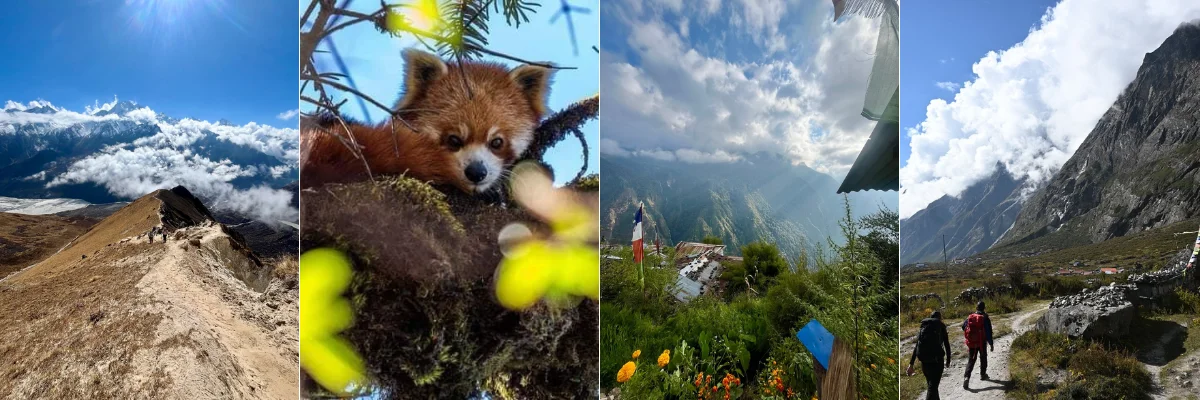
Langtang National Park is one of Nepal’s most accessible high-mountain parks. Known for a rugged landscape, deep valleys, snow-capped peaks, rich Tamang culture, dense rhododendron and bamboo forests, and rare wildlife.
Along with panoramic mountain views and spotting a few rare wildlife species, trekkers get to stay in a cozy teahouse and taste local cuisine. Classic Langtang Valley Trek leads trekkers through the National Park, reaching up to Kyanjin Gompa from Syabrubesi.
A chance to witness rare species like the red panda, well-established teahouses routes, and iconic viewpoints like Kyanjin Ri and Tserko Ri, Langtang National Park is an excellent choice for trekkers.
Apart from rich flora and fauna, the centuries-old Tamang culture exploration is another attraction in Langtang National Park. Traditional Tamang villages like Sherpagaon, Langtang Village, and Kyanjin Gompa offer a chance to experience authentic mountain life and local hospitality.
These settlements are known to preserve ancient monasteries and unique traditions that have been preserved for generations.
Whether you’re after a short teahouse trek from Syabrubesi or deeper wilderness and high lakes like Gosaikunda, Langtang National Park is the perfect destination.
Where is Langtang National Park Located?
Towards the north of Kathmandu in central Nepal, Langtang National Park spreads across parts of Rasuwa, Sindhupalchok, and Nuwakot districts. Starting from Dhunche, park headquarters, the national park extends up to the Tibetan border.
Towards the north, the national park borders the Tibet Autonomous Region (China). Meanwhile, it stretches towards the hill regions above Melamchi and Nuwakot, the Helambu region, and the Dorje Lakpa range in the east.
Normally, Dhunche and Syabrubesi are the most common access points, which can be reached in just 6-8 hours from Kathmandu. However, despite the short travel distance, the landscapes shift dramatically, from low altitude terraced farms to deep river gorges and finally to snow-capped peaks.

Diverse Geography and Landscape of Langtang
Langtang National Park is known for its wide range of geography, characterized by steep altitude changes, monsoon-fed rivers, and ancient glacial activity.
Established in 1976, the park covers 1,710 sq km, with a 420 sq km community-managed buffer zone.
Starting from an elevation of 1,000 meters in the lower tropical forests to 7234 meters up to the top of Langtang Lirung, the park showcases one of Nepal’s most dramatic altitude ranges.
This diversity in elevation creates perfect climatic zones, each supporting unique wildlife, vegetation, and human settlement. The landscape includes rugged Himalayan ridges, glacier basins, conifer forests, yak pastures, sacred lakes like Gosaikunda, and traditional Tamang and Hyolmo villages.
This diverse geography and landscape make Langtang one of Nepal’s most rewarding and naturally rich conservation areas.
Himalayan Terrain
The upper section of Langtang National Park features towering peaks, hanging glaciers, rock walls, and wind-swept ridgelines. These rugged terrain offers a true Himalayan experience.
Here, you can get some great views of Himalayan giants, such as Langtang Lirung, Dorje Lakpa, and Ganchenpo. If you further extend your hike to Tserko Ri, you can even see Shisangpangma towards Tibet.
Additionally, Langtang Glacier near Kyanjin Gompa feeds into the Langtang Khola.
Above 4,000 meters, the terrain becomes bare, open, and dramatic, offering great sunrise and sunset views from viewpoints like Kyanjin Ri and Tserko Ri.

Lush Forest Zones
The lower, subtropical forested sections of Langtang are incredibly diverse. From the alpine maple, oak, and hemlock forests to the chirpine, alder, and broadleaf species, wildlife thrives in these forests.
In the mid-sections lie the thick belts of rhododendron blooms, especially in spring. Higher up, at around 2,500-3,200 meters, lie dense bamboo forests, which are the prime habitat for the red panda.
This layered forest system not only supports rich biodiversity but also adds striking color and variation to the trekking experience.

Valley
The Langtang Valley is the heart of the national park. It begins from the forested river gorge near Syabrubesi to open alpine basins surrounded by Himalayan giants.
Villages such as Sherpagaon, Lama Hotel, and Ghodatabela lie along the route, offering trekkers a blend of cultural and natural exploration.
The valley’s shape, vegetation, and mountain backdrop make the national park a stunningly beautiful trekking destination in Nepal, especially during spring and autumn.
Rich Wildlife of Langtang National Park
The park is home to several rare and elusive birds and animals. Species such as red panda, Himalayan black bear, snow leopard, Himalayan tahr, and musk deer, as well as more than 250 bird species, are recorded in the area.
If wildlife exploration or wildlife photography is the reason for your travel, then Langtang National Park is perfect for you.
Mammals
The lower forests of the national park are home to animals like the Himalayan black bear, wild boar, musk deer, and barking deer. Meanwhile, the bamboo forests between Bamboo and Rimche are known for rare red panda spotting.
Likewise, high up in the alpine and rocky cliffs, you might be able to spot Himalayan tahr, goral, and serow, and, extremely rare, shy snow leopard.
More than 45 mammal species are recorded within Langtang National Park.
Birds
Birdlife or birdwatching is another exciting attraction in Langtang. Over 250 bird species have been recorded here, including the colorful national bird of Nepal, the Himalayan Monal (Danphe).
Satyr tragopan, Blood pheasant, Kalij pheasant, and various species of eagles, vultures, laughing thrushes, parakeets, and warblers are other bird species you can spot.
The rhododendron, oak, and sal forests host a perfect habitat for migratory and breeding birds.
Rare and Endangered Species
As mentioned, the red panda is the park’s most iconic species. Lookout carefully in the bamboo forest between 2,200 and 3,500 meters; if you’re lucky, you might spot one.
Likewise, the higher Himalayan snowy, rocky cliffs are home to the elusive snow leopard, one of the world’s most endangered big cats. Though extremely rare, a few sightings have been mentioned by locals and trekkers. These rugged cliffs also support the Himalayan musk deer, whose population has declined due to illegal poaching for musk pods.
Additionally, bird species such as the Himalayan monal, Satyr tragopan, bearded vulture (Lammergeier), and white-rumped vulture are also considered vulnerable.
The park has been a safe haven for these rare and endangered species for future generations.

What is the Weather and Temperature like in Langtang National Park?
The weather and temperature in Langtang National Park change with the change in elevation and season.
Lower elevation villages such as Syabrubesi (1,400m) remain milder, while higher sections like Kyanjin Gompa (3870 m) and glacial valleys remain much colder year-round.
Daytime temperature during spring (March-May) ranges from 10°C to 18°C, with stable weather and clear mornings, though nights are still cold, often dropping close to freezing.
Likewise, autumn (September-November) is another best time to visit Langtang National Park. During this season, trekking trails are dry, crisp air, excellent mountain views, and walkable daytime temperatures around 8°C to 15°C at higher villages.
Meanwhile, summer/monsoon (June-August) is warm, humid, and cloudy. Monsoon is usually characterized by light to heavy rainfall, and temperatures between 12°C and 20°C. Higher routes are often slippery and have reduced visibility.
Winter (December-February), in contrast, has harsh weather conditions, especially in the upper Langtang Valley, which is still accessible. Daytime temperatures usually range from -5°C to 5°C, and nights can plunge to -10°C or lower, with frequent snowfall above 3,000 meters.
So, be prepared for each season you plan to visit Langtang National Park, Nepal.

Tips for Visiting Langtang National Park
Visiting Langtang National Park becomes much more rewarding when you prepare properly. Here are some tips you can follow while visiting Langtang National Park:
Plan your season
Look for spring or autumn for the best trekking conditions, mountain views, and stable trails. Monsoon brings heavy rain, and winter is very cold, so it is not recommended.
Permits and Paperwork
Get the Langtang National Park entry permit before starting the trip, or you can ask your trekking agency to arrange it for you. Additionally, carry photocopies of your passport and permit.
Pack Smart
Layered clothing, according to the season you’re hiking, is essential. Warm, durable, and waterproof shell, sturdy hiking boots, a warm sleeping bag, and other trekking gear are required. Ask your agency if they provide any trekking gear, then you can rent or buy gear accordingly.
Also, do not wear striking color clothes as they might attract or scare wildlife. Keep it simple, which blends with the environment.
Acclimatization and Pace
Schedule your hike and rest day in your itinerary. Don’t rush; keep a steady pace. In case of altitude sickness, descend quickly and reach out for help with your guide.
Hire Local Guide
Hiring a local guide can significantly enhance your trekking experience. They are well-known with the terrain, local villages, culture, and where there are high chances of spotting wildlife. They are there to ensure your safety, too.

Respect Wildlife and Culture
Do not feed animals or scare them away. Also, don’t make noise around villages and monasteries. And follow park rules. Practice ‘leave no trace’, use community rubbish bins, bring a reusable bottle, and avoid single-use plastics.
Safety and Insurance
Get travel insurance that covers high-altitude trekking and helicopter evacuation. Confirm policy details before departure.
Budget Trip Expenses
As you go higher, the prices for food, accommodation, bottled water, heating, and hot showers increase. Allocate extra budget for high-altitude villages.
Tickets and Entry Fees for the National Park
Entering Langtang National Park requires two permits: the Langtang National Park Entry Permit. The cost of an entry permit varies based on which country you’re from.
- Foreign nationals: NPR 3,000 per person (approx.).
- SAARC nationals: NPR 1,500 per person.
- Nepali citizens: NPR 100 per person.
These fees directly support conservation, trail management, and community development.
Permits can be collected from the Nepal Tourism Board (NTB) office in Bhrikutimandap, Kathmandu, or directly at the park entry point in Dhunche. The permit is usually single-entry, non-transferable, and non-refundable.
Always keep the permits with you, soft and hard copies both, as you need to verify and register at several checkpoints along the trail.
Note: If you’re trekking with Himalayan Masters, we will take care of the permit acquisition and registration processes.
How Accessible is Langtang National Park from Kathmandu
Langtang National Park is one of the closest and most accessible Himalayan trekking destinations to Kathmandu.
Langtang National Park has two major entry towns: Dhunche and Syabrubesi.
Dhunche, administrative headquarters and primary checkpoint, is the main entry point, approximately 100 km (62 miles) away, a 6-7 hours’ drive.
On the other hand, Syabrubesi is around 120 km (75 miles), an additional 1 hour drive. It is the standard gateway for the Langtang Valley Trek.
Although it’s a short distance, the drive is scenic and equally exciting. The route might be bumpy, damaged by rain or a landslide, or require maintenance. So, check updates on the current Langtang route condition.
You can get daily public buses and jeeps departing from the New Bus Park in Kathmandu. Or we can arrange a private jeep for a faster, more comfortable journey.
Langtang National Park Map
A map represents the park’s valleys, trekking routes, settlements, conservation zones, and major attractions.

This gives visitors a rough idea about major attractions, where to stay, and how far the next village is.
The map also highlights important points such as:
- Dhunche headquarters
- Buffer zone settlements
- High passes like Lauribina Pass and Ganja La Pass
Popular destinations include Kyanjin Gompa, Gosaikunda, Kyanjin Village, Sermathang, Melamchi, Gatlang, Thuman, and Langtang Lirung glacier region.
You can cross-reference the official DNPWC map with common trekking maps to better visualize altitude profiles and daily walking distances.
Note: Himalayan Masters also provides updated trekking maps to all clients as a complimentary gift before the trek starts.
What Makes the Langtang National Park a Must-Visit
If you’re a beginner trekker looking to start your trekking journey in the Himalayas, then Langtang National Park is a must-visit. It offers a perfect blend of Himalayan landscape, rich biodiversity, ancient cultural heritage, and easy accessibility.
Most importantly, unlike Everest Base Camp or Kanchenjunga Circuit, you don’t require domestic flights or expensive logistics.
The park is home to breathtaking peaks and vibrant wildlife. Visitors have an opportunity to spot several rare, endangered, and attractive birds and animals. It’s perfect for wildlife enthusiasts and birdwatching.
Additionally, authentic Tamang and Hyolmo culture exploration makes the park more fascinating. Seeing locals dressed in their traditional attire, especially during festivals, and communicating with them is the most exciting part of the trek. In some villages, you will be able to try them yourselves.
Furthermore, an option to extend the trek to the sacred Gosaikunda Lake and Helambu further elevates the excitement. The yak pastures and panoramic ridgelines along the route imprints in your memory lane.
Why Langtang National Park Deserves a Spot on Your Travel List
Langtang National Park offers almost everything you can expect in a Himalayan traveler. Glacial valleys, towering peaks, ancient culture, wildlife encounters, and peaceful and adventurous, all these with a span of just a week.
Its accessibility from Kathmandu makes it an ideal choice for trekkers who want a Himalayan trekking experience without long travel days.
Whether it’s awe-inspiring sunrise or sunset views from viewpoints like Kyanjin Ri and Tserko Ri, or simply enjoying the warm hospitality, Langtang National Park leaves you in awe.
Loading...
related post


Author

Samyog Shrestha is a travel enthusiast and an excellent content writer at Himalayan Masters, the face behind the amazing content who likes to learn from experience.


Leave Your Comment