




Who Is a Trekking Guide in Nepal and Why You Need to Hire?
When it comes to trekking, the trekking guide plays a vital role in your trekking experience. They help you with navigation, provide insights, help you enrich your experience, and assist you in difficult moments.
Trekking guides are more than just guides; some give you everlasting moments and become your friends for life.
Who is a Trekking Guide in Nepal?
Trekking guides are the backbone of tourism in Nepal. Nepal lies in the Himalayan range, and the most famous treks, like the Everest Base Camp trek, lie in this region.
The natural beauty of Nepal, the rivers, mountains, green forests, and the sound of nature attract nature lovers from across the world. The terrain is difficult, the weather is harsh, and remoteness makes the journey very difficult.
Being a guide isn’t everyone’s cup of tea because you will need to go through special training. A trekking Guide in Nepal is a licensed professional who has taken formal training from the Nepal Academy of Tourism & Hotel Management (NATHM).

They are trained on how to respond to medical emergencies and give you first aid. Hiring a trekking guide will enrich your experience as they will be translating every tale, mystery, and history behind every trek.
On top of that, they are expert in navigating routes, identifying any blockades, and finding a safe and short route.
Why Hire a Trekking Guide in Nepal?
Hiring a guide isn’t just about finding a companion in your journey but also about safety. They give you instructions on how to acclimatize to higher elevations safely.
They know when to slow down, when to rest, and when to act fast. In case of any injury or sickness, they responsibly take every necessary action to ensure your safety, either by immediate first aid or calling for a helicopter.
Beyond just safety, guides bring the Himalayas to life. They share stories, translate local dialects, and connect with mountain communities like the Sherpa.
Guides also take care of all the logistics, arranging your permits, finding good teahouses, and navigating confusing trails.
Most importantly, hiring guides supports Nepal’s rural economy since it provides income for guides, porters, and teahouse families who depend on tourism to sustain their livelihood. The best part about the trek? Meeting people, knowing.
Why is hiring a Trekking Guide compulsory in Nepal
The Nepal Tourism Board (NTB) announced that solo trekking for foreign trekkers is prohibited without a licensed guide from April 1, 2023.
Hiring a guide is compulsory for the following reasons.
Safety: Foreign trekkers faced problems like getting lost because of poor navigation, unpredictable weather, or a lack of support in emergencies. When you have a guide, the risk of these problems is mitigated.
Traceability: With the guide and TIMS system, via registered agency authorities can more easily track who is trekking where. If anything goes wrong, rescue becomes more manageable.
Prevent Unauthorized Trekking: Some people or groups do treks without permits or proper registration, which can lead to danger, environmental damage, or legal issues. The new rules aim to curb that.
Cost of Hiring a Trekking Guide in Nepal
When you hire a guide for your trek in Nepal, expect daily rates to vary based on the region, season, and experience. For most standard treks like ABC (Annapurna Base Camp), Langtang valley trek or moderate trails.
USD 25-35 per day is common. In more remote locations (Everest Three Pass Trek and Manaslu Circuit trek, expect a higher per-day cost of a guide ranging from USD 40-60.
Besides the guide’s wage, there are extra costs to budget for.
- Food and lodging
- Insurance, permits, rescue, and emergency coverage
- Tipping
If you book your trek from Himalayan Masters, all these logistics costs and the cost for the guide are covered in a full package. That means you don’t have to worry separately about hiring and allocation budget for logistics. Everything is just included in our package.
What is the salary of a trekking guide in Nepal?
The salary of a trekking guide varies based on their experience and recommendations. On average, they earn USD 20-40 per day on standard routes. Experience and more seasoned guides make USD 45-60+ per day, especially in remote regions.
How much to tip trekking guides in Nepal?
The amount of tips depends on the level of your satisfaction, trek length, and overall service quality. Generally, trekkers tip around USD 10-25 per day for guides and USD 5-15 per day for porters.
How to Hire a Trekking Guide in Nepal?
Hiring a trekking guide is a very serious matter because the wrong guide can spoil the fun. The most reliable way is to find a registered trekking agency that provides licensed, insured, and government-approved guides.
They also handle safety, logistics, and emergency support, which gives you peace of mind throughout your trek.
You can also hire independent freelance guides, often at a lower cost. Many of them are highly experienced and speak multiple languages.
However, it’s important to verify their license issued by the Nepal Academy of Tourism and Hotel Management (NATHM) or the Trekking Agencies’ Association of Nepal (TAAN).
Another growing trend is finding guides from online platforms and traveler recommendations. Websites and social media groups can help connect you with trusted local guides who have good reviews. Still confirm their identity, license, and experience before booking.
Qualities of a Good Guide
A good trekking guide is more than someone who leads the way. Here are key qualities to look for:
- Licensed and insured: Must have a valid license issued by NATHM or TAAN and insurance to cover in case of any accidents.
- Region-specific experience: A good guide must have deep familiarity with the specific trekking route, local terrain, weather conditions, and hidden trails.
- Strong communication skills: Speaks clear English, listens well, and can effectively coordinate with teahouses, porters, and rescue teams.
- Emergency & First-Aid Training: Trained to deal with altitude sickness, injuries, and sudden weather changes in a calm and precise way.
- Physical Fitness: Can walk long distances and at high altitudes with heavy gear and support trekkers.
- Local Cultural Knowledge: Knows local traditions, customs, and religious sites, providing significant insights in the process.
- Professionalism & Punctuality: Respectful, orderly, and always concerned about the comfort and safety of the client.
- Friendly and supportive attitude: This encourages the trekkers on challenging climbs and provides a positive and motivating atmosphere throughout the trek.

Guide vs. Porter vs. Porter-Guide
In Nepal trekking, you will continuously hear about guides, porters, and porter-guides, all of whom have a different yet significant role in your trek. Learning about their differences enables you to select the right support for the trek.
Guide
When you have a trekking guide on the trail, he takes care of the navigation, logistics, permits, safety, and culture and tradition interpretation.
They describe local customs and traditions, handle emergencies, and ensure your itinerary runs smoothly.

Guides are ideal for first-time trekkers, high altitude and remote treks like the Upper Dolpo trek, where experience and communication are important.
Porter
The primary task of a porter is to transport luggage, typically 15-25 kg. This will enable you to walk lightly and save energy.
Long or physically demanding treks like the Manaslu Circuit Trek require the use of porters, particularly when you want to walk around with a comfortable day pack.
Nonetheless, they speak broken English and do not take the lead of the trek.
Porter-Guide
A porter-guide is a hybrid; they carry light loads while guiding at the same time. They’re affordable and best suited for short or moderate treks like Poon Hill trek or Langtang valley trek, where the terrain is simpler and the weather is predictable.
While cost-effective, porter-guides may not have the same safety training or experience as licensed full guides.
Insurance and Responsibilities
Understanding insurance and responsibilities is very important for both guides and trekkers. Trekkers must have their own travel insurance before starting their journey because at high altitudes, anything can happen.
Insurance covers high altitude trekking, emergency helicopter evacuation, medical treatment, and trip cancellation. Accidents or altitude sickness can happen; without insurance, rescue and hospitals can be extremely expensive.
Trekking agencies are responsible for providing insurance for their guides and porters. Licensed companies ensure that their staff is covered for accidents, injuries, or emergencies during the trek.
Tips for Trekking with a Guide
No matter what guides will always try to please you and help you but if you just add little effort from your side, the journey becomes more meaningful. Know these tips:
Build a rapport: Tell stories, smile, and be truly interested in life and the culture of your guide. An amiable relationship makes the journey easy.
Be respectful of local culture: Respect local practices, dress appropriately, and be careful about things that your guide presents to you.
Clarify everything before starting: You need to talk about costs, day-to-day plans, meals, housing, and the tipping expectations beforehand so that there is no misunderstanding.

Understand roles: Be familiar with what your guide will deal with (navigation, safety, communication) and what your responsibility is (personal gear, pace, etc.).
Make them feel like friends, not employees: Walk with them, experience their story, and show them your gratitude for their effort. Trekking is teamwork.
Always be nice and tolerant: Guides are subject to random circumstances; patience and gratitude help.
Give a tip: A small gift, a thank-you, or a meal at the close of the trek will be an indicator of appreciation for their efforts.
Stay open and curious: Ask about mountain myths, local food, and culture. It makes the hike more of a cultural experience.
Guides in Himalayan Masters
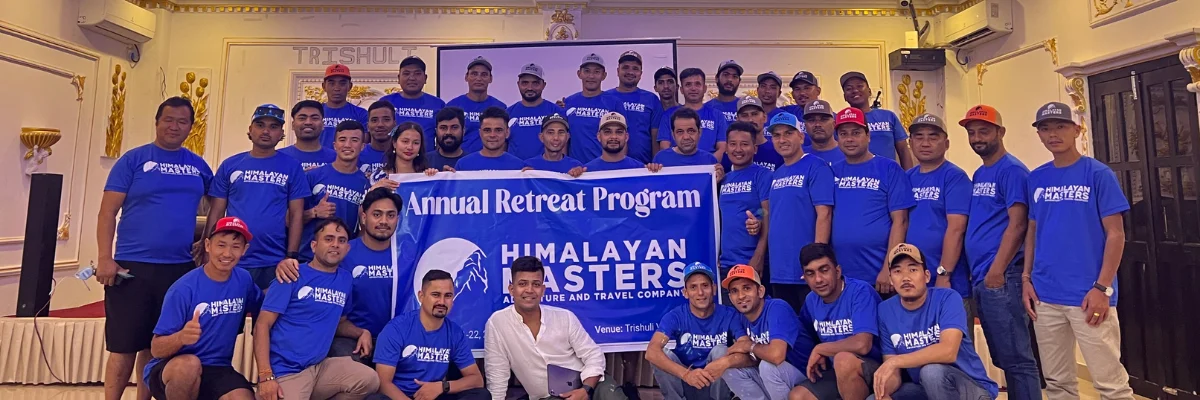
The guides provided by Himalayan masters are skilled, passionate, and deeply connected to the mountains they call home. They are:
Licensed and Certified: All guides hold official licenses issued by the Nepal Academy of Tourism and Hotel Management (NATHM) and are fully insured.
Professionally Trained: They undergo training in navigation, altitude management, emergency handling, and mountain first aid.
Pre-Trek Preparation: Before each trek, guides are briefed about trail conditions, weather forecasts, group size, and safety measures.
Deep Trail Knowledge: Every guide knows the trekking routes in detail from teahouses and rest points to hidden scenic spots.
Highly Responsible: They manage logistics, permits, and accommodations, and ensure trekkers’ safety throughout the journey.
First-Aid Experts: Skilled in treating minor injuries, altitude symptoms, and providing quick, calm responses in emergencies.
Motivational Leaders: They keep trekkers encouraged during tough climbs and maintain a positive group spirit.
Entertaining and Friendly: Known for their humor, cultural stories, and easygoing nature, which makes the trek more enjoyable.
Local and Experienced: Being native to the region, they share authentic insights into local life, traditions, and mountain culture.
Included in All Packages: Every trek booked with Himalayan Masters comes with a professional, licensed guide, ensuring both safety and enriching travel experiences.
Loading...
related post


Author

Bryan BK is a storyteller at heart and an adventurer by soul. As a passionate writer and traveler, he finds inspiration in the places he visits and the people he meets. Through his words, he brings destinations to life, sharing experiences that inspire others to explore, dream, and discover.


Leave Your Comment