




Samagaun, Nepal: The Village Where Manaslu Feels Reached
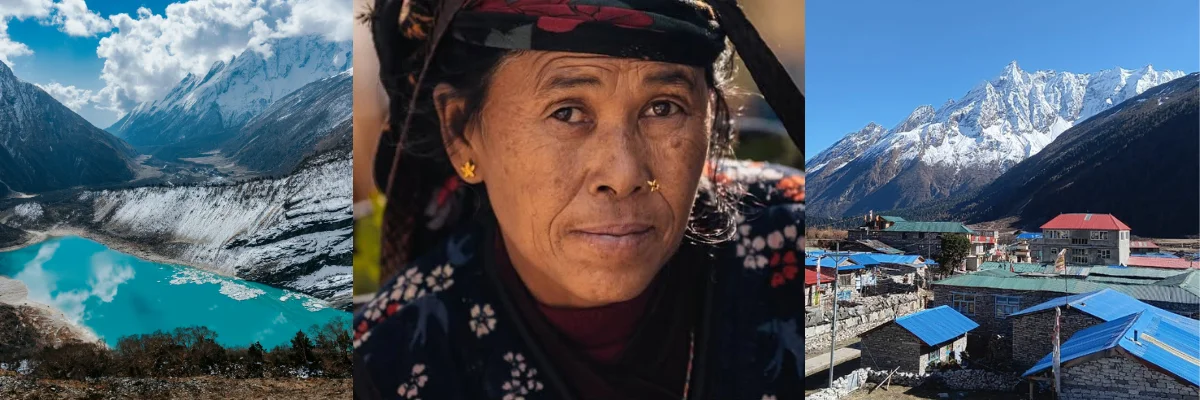
Samagaun/Samagaon sits at 3,530 meters (11,581 ft) in Nepal’s Gorkha district. It is the largest high-altitude settlement on the Upper Manaslu Circuit Route. Trekkers stop here to acclimatize before Larkya La Pass. Mount Manaslu’s north face rises behind the village. You can see mountains from almost anywhere in this high-altitude village.
The people have Tibetan roots who have lived in this valley for centuries. Their culture, language, and Buddhist traditions shape daily life. Trekkers find a different experience here than on busier routes.
Visitors can explore a traditional stones houses, prayer wheels, mani stones, ancient Samagaun Gompas here. The village has health facilities, several tea houses, and access to major day hikes.
This guide covers its location, altitude, and how to get there. It also explains what to see, local culture, and where to stay.
Where is Samagaun Located?
Samagaun village sits in the Budhi Gandaki Valley in Gorkha district of Nepal. It falls under Tsum Nubri Rural Municipality. The coordinates of Samagaun are 28.583914° N and 84.647077° E. The Budhi Gandaki River runs close to the village along most of the approach.
The village sits about 3.5 km (around 2 mile) from Shyala, the last major stop before the village. Samdo is 8 km (4.97 miles) ahead.
Mount Manaslu rises to the north, where its summit is visible from the village. Naike Peak sits to the west, and the Pangbuche Himal range lies to the northern horizon. These peaks surround the valley on nearly every side.
It spreads across a wide, open basin shaped by the Budhi Gandaki River. The land here is flatter compared to the narrow gorges lower on the trail. Stone houses sit scattered through the basin with grazing land and small fields surround the houses.

Highest Settlement of Manaslu Region
At 3,530 meters (11,581 ft), this village is the highest settlement in the Manaslu region. Above 2,500 meters (8,202 ft), your body has to work harder to get enough oxygen. Most trekkers feel heavier breathing when going uphill.
Above this altitude, the risk of Acute Mountain Sickness (AMS) grows quickly. Headache, nausea, dizziness, and trouble sleeping are the most common signs. It is high enough to start the body’s adaptation as the body produces more red blood cells to handle lower oxygen. The altitude is still low enough that sleeping here is usually safe. That is why Samagaon makes such an important acclimatization stop on this route.
The trail ahead climbs fast reaching up to 5106 meters (16,752 ft), Larkya La Pass, so the body needs time to adjust before going higher.
The climb from Samagaon to the pass gains about 1,600 meters in a few days. Skipping acclimatization at 3,530 meters (11,581 ft) makes this section a lot harder and more dangerous.
How to Reach Samagaun from Kathmandu?
The only way to reach this high-altitude village is on foot, you can also book a Helicopter ride. Most trekkers start from Machhakhola, or Jagat. Public buses or private jeeps from Kathmandu reach all these starting points without much trouble. From there, the walk to Samagaon takes roughly 5 to 6 days, depending on which point you start from.
The trail follows the Budhi Gandaki River through forest and terraced farmland. It turns rockier and more mountainous near the end. The route passes through Jagat, Deng, Namrung, and Lho. Shyala is the last stop before Samagaon at 3,500 meters (11,483 ft).
Note: In the Manaslu Circuit Trek itinerary organized by Himalayan Masters, you can reach Samagaun Village on day 6.
The Historical Trade Center of the Manaslu Region
Locals call the village “Sama” or “Rö” in Tibetan. “Gaon” means village in Nepali. The full name shows both the settlement and its Tibetan roots. The native people of Samagaon arrived in the 15th and 16th centuries from Tibet. Oral histories link this migration with the spread of Tibetan Buddhism across the Himalayas. Villagers still practice Buddhism today.
Earlier monasteries hosted prayer, settled disputes, and passed down oral history. This structure helped the community survive centuries of isolation at this altitude.
The Manaslu Circuit route stayed closed to foreign trekkers for a long time due to its close proximity to the Tibetan border. The Nepal government opened it to foreigners only in 1991. Trekking has grown steadily since then, adding a new layer of income to a community that had already lived and worked here for centuries.
Before tourism, people here farmed, herded, and traded. Families grew barley and potatoes on terraced fields. They kept yaks for milk, wool, and hauling goods. The village sits near the Tibetan border and was a natural stop on old trade routes. Trade brought extra income and goods for generations.
The Nubri People and their Lifestyle in Samagaun
The Nubri people are the native community of the Tsum Nubri region, and Samagaun is one of their main settlements. Most residents have Tibetan roots, and their language, dress, and daily life all reflect that connection. Some Gurung and Tamang families also live in the valley alongside them.
Cooperation holds village life together here. Families lean on each other during planting and harvest. Herders often pool their yaks into shared grazing groups and take turns watching the animals each day. That kind of support has kept the community farming at this altitude for generations.

Women weave wool and manage the fields, while men tend livestock or move goods using yaks and mules. Life here is simple and shaped by the high-altitude. People of Samagaun are engaged in farming, yak herding, and seasonal tourism. Many families also run small tea houses and lodges for trekkers passing through on the Manaslu Circuit.
The yaks also produce milk that the community turns into yak cheese, a well-known Tibetan delicacy made and sold locally. Trekkers passing through often buy it from village shops.
Buddhism shapes daily life here, from local customs to festivals and how the community comes together. The people of Samagaun are warm and welcoming despite living in one of Nepal’s most remote corners. Life here has changed little over generations, and that is a big part of what makes the place worth visiting.
How does Culture Shape Life in Samagaun?
The culture in Samagaun sits closer to Tibet than to the lowland villages of Nepal. Centuries of isolation at high altitude kept outside influence out and local traditions intact.
Traditional clothing is still common, especially among women and older residents. People often wear the chuba, a long wool robe, with a colorful apron called a bakhu. Black aprons, belts, and fur-trimmed hats. These clothes serve as both cultural symbols and practical warmth.
Jewelry includes beaded necklaces and silver pieces. Locals often use local wool, yak hair, and natural dyes. Villagers wear full traditional outfits for festivals like Lhosar and Dumji.
Some families practice polyandry, where brothers share one wife. This custom kept land and resources together in one household. It avoided dividing property with each generation.
Major life events such as births and deaths follow rituals from the Tibetan Buddhist tradition. These usually involve the local monastery and guidance from monks. People pass down stories by word of mouth, not writing. They sing folk songs called Lu or Shunglu during farm work and herding. These songs carry stories across generations. People here value hospitality.
Locals welcome guests, including trekkers, with tea and food. Respect and etiquette follow Buddhist principles. Visitors should walk clockwise around mani walls and chortens. Remove shoes before entering homes or monasteries. Stay quiet during prayer sessions.

The Most Celebrated Festival in Samagaon
Buddhist festivals shape the yearly calendar in Samagaon. Some of the region’s most important festivals center on the village and its monastery which is why Samagaon acts as a hub for these events. People from nearby villages gather here for celebrations that mix religious ritual and community life.
Lhosar, the Tibetan New Year, is the most widely celebrated festival here. It falls in February or March, depending on the lunar calendar. Families share khapse and fruit for breakfast.
They then visit the monastery to receive blessings from the lamas. The celebration turns social from the second day. Relatives and neighbors visit each other, and elders bless younger family members. The community gathers at Samagaon Monastery for traditional Nubri dances and songs. Elders dress formally in the chuba for the occasion.
Dumji is another major festival celebrated across the Nubri region. It usually occurs in June or July and lasts 5 to 7 days. It features cham, a masked ritual dances symbolizing the triumph of good over evil, performed by monks. Its preparation includes building intricate sand mandalas of Guru Rinpoche. The whole process can take up to 48 hours.
Every three years in October, Samagaon hosts Tibetan opera, masked dances, and storytelling. Part of the tradition involves collecting ghee for the monastery, a practice that goes back 400 to 500 years. People use the ghee to light butter lamps for the next three years. Ache Lhamo, a classical Tibetan opera with song and storytelling, is a central highlight.
Harvest celebrations follow the farming calendar, marking the end of the growing season. Festival foods center on khapse, dal bhat, dairy products, and seasonal dishes shared among families and guests.
What Makes Samagaon Worth Visiting?
Mount Manaslu dominates the view in Samagaon. Its north face rises behind the village. At 8,163 meters (26,781 ft), it is the world’s eighth-highest peak. The clearest views come in the early morning before clouds build. You do not need to hike to see it. The mountain is visible from the village itself.
Samagaon Gompa sits above the main settlement and serves as an active place of worship. Morning prayers start early. You can hear chanting through the village before most trekkers wake. Visitors may enter the monastery if they remove their shoes and stay quiet during ceremonies. Inside, you find thankas, ritual instruments, and religious art. Monks have cared for these pieces for generations.
Mani walls line the main trails in and out of Samagaon. Mountain wind has weathered the mantras carved into them. Chortens and prayer wheels stand throughout the village. Locals use them daily as part of religious practice, not just for visitors.
Most trekkers spend their acclimatization day on one of the trails near the village. A few options sit within easy reach, each offering something different. Some hikes lean toward big mountain views, others toward quiet monasteries or calm lakes.
Manaslu Base Camp (4,800m / 15,748 ft)
This is the most popular day hike from Samagaon. Most acclimatization schedules include it. The hike covers about 5 km (3.1 miles) one way and takes 6 to 7 hours round-trip.
The trail gains about 1,270 meters (4,167 ft) in elevation. It crosses moraine fields and glacial terrain as it climbs. Manaslu’s south face gets closer with each step.
You may see expedition teams during the spring climbing season. They prepare for or return from summit attempts. Start early. Clouds often build by the afternoon and can block the views.
Birendra Lake (3,450m / 11,318 ft)
Birendra Lake is a shorter, easier hike with good scenery. The lake sits about 2.9 km (1.8 miles) from the village. Walking takes 1 to 1.5 hours each way. The route has much less elevation gain than the base camp hike.
Glacial melt water gives the lake its turquoise color. The lake sits in a wide bowl surrounded by peaks. It lies along the same trail as the base camp route. Many trekkers combine both hikes in one acclimatization day.

The trail climbs through forest, then opens into rockier alpine terrain. It reaches the monastery and the edge of Pungyen Glacier. This hike offers both cultural and scenic value.
A walk through this settlement itself offers useful insight into daily life at this altitude. Local shops, mani walls, and routine village activity offer context that the surrounding hikes do not.
Pungyen Gompa (4050 m /13,287 ft)
Pungyen Gompa sits 7 to 8 kilometers (roughly 4.3 to 5 miles) from the village. The monastery is approximately 400 years old. According to local belief, builders constructed it to honor Lord Pungyen, a deity considered the protector of the region.
The trail passes through alpine terrain and old mani walls. From the monastery grounds, the view extends across the full Manaslu massif.

Why You Must Acclimatize in Samagaun?
Most Manaslu Circuit itineraries include two nights here. The body needs this time to adjust. It uses the stable elevation to produce more red blood cells. This helps it handle lower oxygen levels.
The standard method is to climb high, sleep low. Trekkers hike up to Birendra Lake or Manaslu Base Camp during the day. This gains elevation and triggers the body’s adaptation.
They return to Samagaun to sleep at the lower, safer altitude. Most trekkers use this approach. That is why acclimatization day includes a hike, not just rest.
This has a health post for minor injuries and early-stage AMS. A helipad nearby allows emergency evacuation if needed. Both are used rarely but remain important because of the route’s remoteness.
On acclimatization day, drink water often and avoid alcohol. Stay lightly active instead of resting in bed all day. Gentle movement helps the body adapt. If headache or nausea does not improve after several hours of rest and hydration, descend. Tell a guide right away.

How Long Do Trekkers Stay in Samagaun?
Most trekkers stay two nights. This is standard on 13 to 14 days Manaslu Circuit itineraries. Trekkers usually arrive in the late morning or afternoon after walking from Shyala, depending on the route. They rest that evening, spend the next day on an acclimatization hike, and leave for Samdo the following morning.
Some trekkers stay three nights. This gives time to hike both Manaslu Base Camp and Pungyen Gompa without combining them. Bad weather can also cause delays. Afternoon snow or clouds are common at this elevation and can make hikes impractical. Trekkers heading to Tsum Valley often use this remote village as a base and add an extra day before moving on.
Guides do not recommend staying fewer than two nights. Cutting the acclimatization schedule raises the risk of the climb to Larkya La Pass. Rescue and evacuation options are much more limited after you cross this village.
What are the Accommodation Options in Samagaon?
This high-altitude settlement has several tea houses for a remote village. Local families run these as small operations. Standard rooms have twin beds, basic bedding, and shared bathrooms. Some lodges now offer attached bathrooms for a higher rate. Most tea houses offer hot showers for a small extra fee.
Nightly rates range from USD 15 to 30. The price depends on the lodge, season, and demand. More trekkers come in spring and autumn. Rooms can fill up quickly during these times.
Dining areas in most tea houses serve as shared social spaces. Long tables and big windows facing the mountains are common. Trekkers from different groups often share meals here. Home stays with Nubri families are available for those who want to see daily village life up close.
A home stay means eating meals with the family and sleeping in their home, not a lodge. This gives a direct view of life in this small Himalayan village outside the trekking season.
What do Trekkers Eat in Samagaun?
Dal Bhat is the standard meal in almost every tea house. It includes rice, lentil soup, and vegetables, often with refills. Guides recommend eating Dal Bhat throughout a long trek for steady nutrition. Momo and Thukpa, a Tibetan noodle soup, also appear on most menus.
Potato dishes are common and usually of good quality, since potatoes grow well here. Yak steak is on many menus for those wanting a local dish. Locals also make and sell yak cheese.
Ginger tea, milk tea, and black tea are widely available. Su-chya, the local butter tea with yak butter, salt, and tea leaves, is a regional specialty. It tastes savory, not sweet. Locals also drink salt tea and tsampa porridge regularly, not just for trekkers. Food prices in this village are higher than in the lower villages. All supplies arrive on foot or by yak. Trekkers should budget for higher costs at this altitude.
What to Expect in Terms of Facilities in Samagaun?
Samagaun feels remote but is better equipped than many expect. The health post treats common trekking injuries and early AMS symptoms. Staff have experience with issues that come up on this route. A helipad nearby serves emergencies needing evacuation. It is rarely used if trekkers acclimatize properly.
Most tea houses offer WiFi, but speed and reliability are limited. It usually works only for basic messaging. Mobile network coverage reaches the village. Calls home are possible when the signal is strong. Charging phones or cameras costs a small fee. Power comes from solar setups with limited capacity.
Several small shops sell trekking essentials, snacks, basic medicines, and local products like yak cheese and dried goods. Selection is limited compared to lower villages, but enough to top up supplies. There is no ATM here or further along the trail. Trekkers should carry enough Nepali rupees from Kathmandu or Dhading Besi for the rest of the trek.
Tap water is available but must be purified or boiled before drinking. Most lodges have little or no room heating. A sleeping bag rated (-10°C) is essential at this altitude. Lodges provide blankets, but nights at 3,530 meters stay cold all year.
Weather in Samagaon: What to Expect
Spring and autumn bring the most trekkers to this route. Spring runs from March to May. Days are warmer, and rhododendrons bloom on lower trails. Mornings are usually clear before clouds build in the afternoon. This period overlaps with Manaslu’s main climbing season. Trekkers may see expedition teams preparing for summit attempts near base camp.
Autumn runs from September to November after the monsoon ends. Clear air brings the best mountain views of the year. Visiting in late August or early September matches the Yartung festival. The festival features horseback riding competitions and strong community participation.
Winter runs from December to February and brings freezing nights. Temperatures can drop to minus 10 Celsius or lower. Larkya La Pass becomes much more dangerous with snow and ice. Some experienced trekkers still attempt the route in winter. It requires serious preparation.
Monsoon season runs from June to August. It brings steady rain and leeches on lower trails. Slippery conditions affect the whole route. Visibility drops a lot. Most trekkers avoid this period as Landslide may block the trails and roads causing delay. Guides recommend against it unless there is no other option.

FAQs
Where is Samagaon located?
Samagaon is in the Budhi Gandaki Valley of Nepal’s Gorkha district, within the Manaslu Conservation Area. It falls under Tsum Nubri Rural Municipality.
What is the altitude of Samagaon?
Samagaon sits at 3,530 meters (11,581 ft) above sea level. It is the largest settlement in the Manaslu region.
How do you get to Samagaon?
You can only reach Samagaon on foot. Most trekkers start from Soti Khola, Arughat Bazaar, or Machhakhola and walk for over 7 to 9 days.
Do you need a permit to visit Samagaon?
Yes. You need the Manaslu Conservation Area Permit and the Restricted Area Permit. Both must be arranged in Kathmandu before the trek.
Why Is Samagaon Popular on the Manaslu Circuit?
Samagaun is the largest settlement on the upper Manaslu Circuit and the main acclimatization stop before Larkya La Pass. It sits below Mount Manaslu and gives trekkers access to major day hikes, a health post, and strong Tibetan Buddhist culture.
Why do trekkers stop in Samagaun for so long?
The altitude here makes acclimatization necessary before the climb to Larkya La Pass. The body needs time to adjust to lower oxygen levels.
What can you do in Samagaun?
You can hike to Manaslu Base Camp, Birendra Lake, or Pungyen Gompa. You can also explore the village monastery and local trails.
Is there WiFi in Samagaun?
Yes, most tea houses offer WiFi. Speed and reliability are limited for basic messaging only.
Is there an ATM in Samagaun?
No. There is no ATM in Samagaun or anywhere further along the trail. Carry enough cash from Kathmandu or Dhading Besi.
What is the best time to visit Samagaun?
Spring (March to May) and autumn (September to November) offer the clearest weather and best mountain views.
Conclusion
Samagaun/Samagaon is a working mountain village and the main stop on the Manaslu Circuit. The Nubri people keep their culture strong despite years of trekking traffic. Daily religious and farming routines continue much as they have for generations.
Trekkers on the Manaslu Circuit usually spend at least two nights in this place for safe acclimatization. Many stay three nights to explore day hikes and cultural sites. The mix of altitude, culture, and infrastructure sets Samagaon apart. Easy access to major sites adds to its importance on the route.
Loading...
related post


Author

Kadambini Thapaliya is a content writer and researcher with a passion for storytelling, culture, heritage, and travel. She creates engaging, well-researched content that helps readers discover unique places, traditions, and experiences. Through her writing, she aims to make information accessible, meaningful, and enjoyable for diverse audiences.


Leave Your Comment