




Lower Manaslu Trekking: Top Things to Know Before Plan
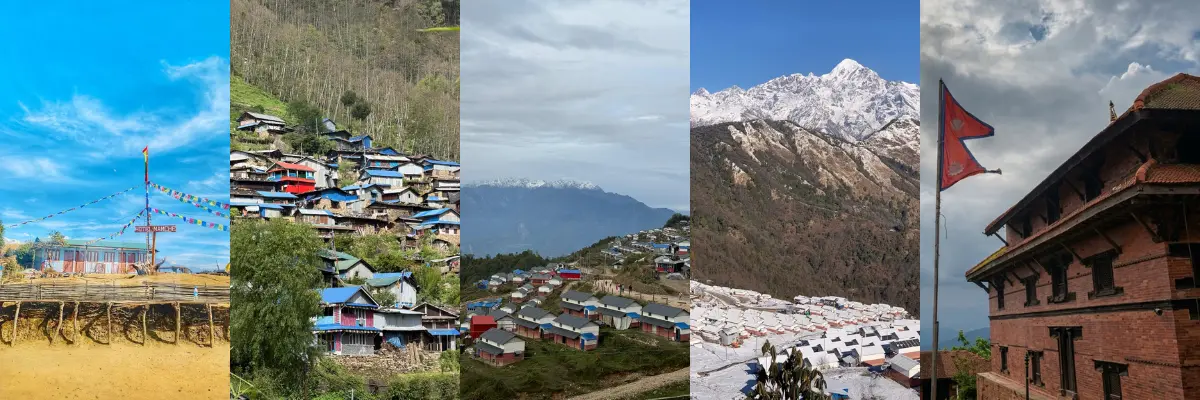
While destinations like Everest Base Camp (EBC) and Annapurna Base Camp (ABC) have been attracting global tourists for years, Lower Manaslu Trekking is quietly becoming one of the most compelling alternatives in Nepal.
Recently, many trekkers look for treks that are quieter, more authentic, and deeply connected to local life instead of popular, crowded trekking destinations in Nepal. This is exactly why the Lower Manaslu region stands out.
The Lower Manaslu region is particularly known for the overall experience, rather than just the scenery. Instead of walking through commercialized trails filled with quite comfortable, and sometimes even luxurious, lodges and large trekking groups, you’ll find yourself traveling through peaceful villages, terraced farmlands, and forested hills during the Lower Manaslu Trekking.
Around this region, daily life continues unchanged, as if time has paused or has forgotten to modernize, which is the best part of trekking here. It feels more like a journey through a living culture rather than just a “trekking route”.
Accessibility is another reason that has made the Lower Manaslu region more popular. Trekkers can directly drive up to the core of Manaslu or also choose to begin trekking along the way. Even during the drive, you’re not just passing through another village; you’re gradually transitioning into a simpler way of life, into more remote areas.
Unlike high-altitude treks that are physically demanding, requiring proper acclimatization, this route is relatively within moderate elevations. That means, without having to trek in extreme alpine conditions, you can enjoy Himalayan views, cultural immersion, and natural beauty.
Especially for first-time trekkers, this is a perfect route.
One of the highlights of this trek is the human connection. Along the trail, you’re not just passing through villages; sometimes, locals invite you to their homes and share meals and stories.
Where is Lower Manaslu Located?
The Lower Manaslu region lies in the historic Gorkha district of Nepal. Gorkha is a place that is deeply tied to the country’s identity. This is the homeland of King Prithvi Narayan Shah, who unified modern Nepal. The region carries a strong sense of history along with cultural pride and heritage.
Geographically, the Lower Manaslu Trek lies below the more popular Manaslu Circuit Trek route. However, for novice trekkers, instead of crossing high mountain passes and extreme altitudes, this route passes through mid-hill landscapes, remote settlements, lush forests, and culturally rich communities.
Lower Manaslu Trekking usually begins from Kathmandu, with a scenic drive to Barpak (epicenter of the devastating earthquake of 2015 Nepal) in Gorkha district. You can further drive up to Laprak if you want to shorten the trekking distance on foot. From there, you can begin the trek.

However, before directly heading to the trek starting point, we suggest you explore Gorkha. You can visit the Gorkha Durbar Museum, which used to be the royal palace of King Ram Shah. From there, you can further hike or drive to Gorakhnath Temple, where King Prithvi Narayan Shah ruled.
The region stretches across several rural municipalities, connecting this route with other popular trails in the Manaslu region.

Major Villages in the Lower Manaslu Trekking Route
Some of the major villages during the Lower Manaslu Trek are:
- Barpak: A large traditional Gurung village with stunning mountain views and cultural richness
- Laprak: A traditional village with unique stone houses and strong local heritage
- Singla and nearby villages: Smaller, quieter villages offering a more immersive experience
These villages aren’t just simple stopovers; they are the center of the Lower Manaslu Trekking. Trekkers can spend time here to interact with the locals, explore their lifestyle, experience culture and festivals, and, if possible, even see a honey hunter preparing for mad honey hunting during honey harvesting seasons. Maybe you’ll be a part of the honey-hunting team too.
Landscape and Natural Diversity
Trekkers often seem to underestimate the Lower Manaslu region, but its incredible diversity in landscape and views keeps them in awe.
Unlike high-altitude treks, where the environment can feel constant and barren, this trek is about diversity. From low altitude villages and basins to high altitude mountains and kharka, the region presents a wide range of ever-changing scenery.

In the lower sections, trekkers can see:
- Terraced farmlands used for agriculture
- River valleys and small streams
- Subtropical vegetation
As you move further along the trail, the landscape gradually shifts to:
- Forested hills with rhododendron and pine
- Ridge viewpoints overlooking the surrounding valleys
- Distant views of Himalayan peaks like Manaslu, Ganesh Himal, and Himalchuli
This gradual transition is what makes the Lower Manaslu Trekking visually engaging. Rather than suddenly gaining high altitude like the Everest Base Camp Trek, this route feels more gradual and refreshing.
Cultural Richness and Local Life of Lower Manaslu
The Lower Manaslu Trek is one of the most authentic cultural and traditional Nepali life experiences. You can find diverse ethnic communities, primarily Gurung and Magar, each with its own language, customs, and traditions.
Each village reflects:
- Unique architectural styles
- Traditional clothing and customs
- Distinct languages and dialects
During this trek, you’ll usually stay in homestays run by local families, rather than commercial teahouses. You get to eat home-cooked meals made from locally grown ingredients, learn locals’ daily routines, farming practices, and traditions.
During the Lower Manaslu Trekking, even simple moments, like sitting by a kitchen fire, watching villagers work in the fields, or listening to local stories, become highlights of the journey.

Trekking Experience in Lower Manaslu Region
Lower Manaslu Trekking is never about a single destination or the view, but it’s about the entire experience along the route. Unlike goal-driven treks where the focus is to reach a certain lake, base camp, or cross a pass, this journey feels more riveting.
A typical day starts with a glowing morning sunlight in one of Gorkha’s rural villages, often with views of mist-covered hills. As you walk, the trail takes you through forests, ridges, and scattered villages.
You will pass by several small streams, suspension bridges, narrow village paths, and sometimes through a narrow cliff route. In between, somewhere, you will stop for a short break, probably in “Chautara” (a stone raised platform built under a large tree, usually a Peepal or Banyan), from where you can get a beautiful view.
These stops aren’t just for rest, but they become moments to observe, interact, and enjoy the peaceful surroundings.
If you want to add a touch of adventure along the way, you can stop at Chhebetar (on the way from Kathmandu to Barpak) for ziplining at Daraudi Adventure Game. It’s a reminder that Lower Manaslu Trekking is not only about tradition and culture, but also about how the region is slowly evolving with new experiences.

Best Time for Lower Manaslu Trekking
Choosing the right season for the Lower Manaslu trekking significantly affects the overall experience. While this trek can be done throughout the year and is more flexible, certain times of the year offer stable weather, clear skies, and more comfortable trekking trail conditions.
Spring (March to May)
Spring is arguably the most beautiful time to visit Lower Manaslu region. During this time, different colors of rhododendron fill the entire region, making the whole trek vibrant, while the air carries the scent of newly grown plants.
Additionally, wildlife comes out of hibernation, making it the perfect time to spot birds and animals. Mornings during spring are quite pleasant and clear with great mountain views, although afternoons can be cloudy.
Monsoon/Summer (June to August)
Monsoon brings heavy rainfall, making trails slippery and travel conditions challenging. You might even find leeches in the forest sections.
However, the region becomes incredibly green and vibrant during this time. The lower altitude allows trekkers to walk comfortably, compared to high-altitude treks, with equal scenic rewards.
We don’t recommend this season for trekking. Nonetheless, if you’re planning to trek, a waterproofing layer is strongly suggested.
Autumn (September to November)
Autumn is considered the most stable and popular trekking season in Nepal. The monsoon rains clear out dust and pollution, resulting in crystal-clear blue skies offering the clearest mountain panoramas of the year.
The weather remains stable with comfortable temperatures throughout the trek. After being nourished by monsoon rain, the forests come alive with the amber and gold of the turning season.
Winter (December to February)
Although winter trekking in the Lower Manaslu region is possible, it comes with colder temperatures, especially during mornings and nights. There might be occasional snowfall in the upper sections around Dharche Danda, too.
The days are usually clear, and with the mountains covered in snow, the views are exceptionally clear and beautiful. Furthermore, as there are fewer trekkers on this route, it creates a unique atmosphere for those who want to enjoy silence.
How to Reach the Trailhead
Getting to the Lower Manaslu region is part of the adventure itself. There are no airports near the trailhead, so the only option to reach the trailhead is a road trip from Kathmandu or anywhere in Nepal.
This drive is a gradual, beautiful transition from urban life into the quieter rural villages in Nepal. If you are in Kathmandu, you can catch a bus from Gongabu Bus Park (New Bus Park) in Kathmandu.
From here, the road runs westward through Prithvi Highway, along the Trishuli, Marsyangdi, and Daraudi river valleys. From the place called Abukhaireni, the road turns north into the Gorkha district.

The most common trek starting point, the journey to Barpak takes around 7 to 9 hours (177 km/110 miles), depending on traffic, road conditions, and your mode of transport.
Local bus is the most budget-friendly choice, costing approximately NPR 1,000 ($8) per person one way. Buses from Kathmandu to Barpak leave early in the morning, so you might want to make an advance booking. Know that local buses might not be very hygienic, but if you are traveling in a group, they are quite economical and offer an authentic experience.
Another transport is a private vehicle, which costs approximately NPR 10,000 to 20,000 ($65-130). It’s the cost of a full vehicle, which can be shared among 5-7 trekkers. If you are traveling privately, you can choose a flexible departure time, stop wherever you like, and reach the trailhead more quickly and fresher. This is the preferred option for most agency-organised treks.
Note: If you’re planning to drive up to Laprak, as your starting point, it’s about an hour drive from Barpak. However, this part of the drive is a narrower mountain road and requires a 4WD jeep.
The Route and Itinerary: Day by Day
Unlike treks that follow a single fixed path, the Lower Manaslu Trekking offers flexibility. You can trek on your own, according to your available time, fitness level, and interests, and itineraries can be arranged accordingly.
A Lower Manaslu Trek itinerary is usually of 6-12 days, covering approximately 60 km (37 miles).
The route begins in Barpak and gradually heads towards Laprak and Darche Danda, finally ending at Ghyampesal or Deurali. The first few days are often relaxing, with treks passing through open ridges and cultivated lands. On this route, you can see locals working in the fields and children playing along the paths.

It’s a camping route, so as the trek continues, the trail becomes quieter and less populated.
If you want to combine this route with the classic Manaslu Circuit Trek and/or Tsum Valley Trek, you can trek via Singla village, connecting to Khorlabesi.
The maximum elevation during the trek is 3,220 meters (10,564 ft) at Dharche Danda, and the average daily walking hours are 4-7 hours.

What Permits and Costs Do You Need
Unlike the restricted areas of the Manaslu Circuit, the Lower Manaslu Circuit does not require any trekking permits. This factor alone saves around $75-100 from your pocket, and trek without worrying about permit requirements.
The lower section of the Manaslu region does not fall under the restricted area or the Manaslu Conservation Area, nor does it touch the Annapurna Conservation Area. So, you do not have to issue Manaslu Restricted Area Permit, Manaslu Conservation Area Permit (MCAP), or the Annapurna Conservation Area Permit (ACAP). This clears up the Lower Manaslu Trekking permit confusion.
This permit-free status also makes the lower Manaslu trek flexible and accessible for spontaneous trekkers. You can just arrive in Barpak, and you walk.
Difficulty Level and Who is This Trek For?
As the Lower Manaslu Trek does not involve technical climbing or extreme altitude, it is considered an easy-to-moderate trek. However, camping can make the trek somewhat challenging.
It’s not a walk in the park, but a genuine Himalayan trekking experience that requires physical fitness, while rewarding trekkers with rich cultural experiences and panoramic views.
The trails mostly follow village paths, forest routes, and ridgelines with gradual ascents rather than steep climbs. On average, you will need to walk around 4 to 6 hours a day. Some sections are narrow and tricky, where you need to look where you’re stepping.
As the trek stays within moderate altitude and ascends gradually, the risk of altitude sickness is low. Officially eliminating one of the dangers from your danger list.
However, limited facilities in some remote sections can feel challenging for some trekkers. In fact, the lower Manaslu trekking can feel partly like a semi-camping experience in higher or less-developed sections. This adds both challenge and adventure to the trek.
Overall, this trek is perfect for beginners who want to start their trekking journey in Nepal. They can experience authentic Himalayan culture, lifestyle, and views without having to face many difficulties and crowded routes.
This trek is perfect for those who prefer people and culture over high altitude peaks and pass crossing. For those who value conversation over dinner as much as the view from the ridge.
Accommodation and Food During the Trek
The Lower Manaslu Trek is a semi-camping trek. While the lower-altitude villages like Barpak and Laprak have established homestays and local lodges. Rooms are usually clean but basic, with shared facilities, but the warm hospitality makes you feel like you’re part of the family.
However, beyond Laprak, there are no teahouses facilities. So, camping is the standard accommodation option to spend the night, and all camping equipment needs to be carried by the support team.
This experience offers a more immersive experience rather than a challenge. Waking up in a tent at Nambai Kharka with open pastureland and a golden sunrise view is nothing less than magic.

Foods During the Trek
As for food on the Lower Manaslu Trek, it is fresh and nutritional. Food is freshly prepared using local ingredients. Dal Bhat (rice, lentil soup, vegetable curry, pickles, and greens) is the most common meal, and most recommended, providing enough energy needed for the long walking days.
In lower altitude villages like Barpak, Laprak, and Ghyampesal, you can get local as well as some western food menu, including roti with egg, noodle soup, potato items, seasonal vegetable curry, hot drinks like ginger lemon honey tea, milk tea, black tea, and instant coffee.
During camping, you eat what you carry. Your agency will arrange a team of a guide, porter, and cooking team. Then, your cook prepares all meals at the campsite. This is where the quality of your chosen agency directly affects your daily experience. A good agency will arrange a good team and prepare healthy and fresh meals during the trek.
Typically, rice, lentils, pasta, noodles, eggs, and seasonal vegetables are prepared at camping locations. Hot drinks are available morning and evening, and in between the trek.
Usually, 3 meals are included in your trek package. You need to buy extra snacks for the route if you want. If food is not included in your package, you need to budget NPR 2,000-3,000 ($15-22) per person per day.
Cost of Lower Manaslu Trekking
One of the benefits of trekking in lower Manaslu is its relatively affordable cost compared to more commercial trekking routes in Nepal. However, the total cost depends on how you choose to travel and which services you take.
A normal Lower Manaslu Trekking package includes transportation from Kathmandu to the trailhead, accommodation, meals, and guide services. You will need to pay extra for the support team.
If you want to trek independently, your expenses can be lower, but you’ll need to manage logistics and planning yourself.
You can expect to pay $500-1,000 per person for a 6-10 days itinerary in a group of 2 or more trekkers.
Solo, independent trekkers need to pay a supplemental amount of $100-150 due to the single porter and cook cost ratio. Hiring a guide or porter will add to the cost and make the journey smoother and more comfortable.
One thing that you should know is that most of your spending directly supports local families, homestays, and small businesses along the route. It makes the trek meaningful and community-focused.
Guides and Porters for Lower Manaslu Trekking: Are they Compulsory?
For the lower Manaslu trek, hiring a guide or porter is not strictly compulsory, but having one makes the journey smoother, richer, and more relaxed.
Unlike restricted areas in Nepal like Upper Mustang and Manaslu Tsum Valley, in lower Manaslu, where you need a licensed guide and agency to obtain permits, you won’t need to hire them for this trek.
However, as it is a semi-camping trek, going completely independent is not always the best choice. As you trek further into remote sections of Gorkha, there aren’t established teahouses, and the route can be confusing at places, especially in forest sections or less-frequented trails. Also, there are logistical challenges.
Trekking with a reputed trekking company like Himalayan Masters relieves you from those challenges. They look after all the logistics and arrange guides and support staff for the trek. So that you can focus on enjoying the trek.
A guide also provides insight into local culture, traditions, and festivals, and helps you interact with the locals. They will also help you during emergencies, and even manage a helicopter evacuation if required.
Porters, on the other hand, are optional but highly recommended if you want to enjoy the trek without carrying a heavy backpack. If not, be ready to walk 4-7 hours a day with a 15-20 kg load on your back.

Connectivity and Communication
Connectivity during this trek is rather good. Although limited, trekkers can stay connected throughout the trek via network providers in Nepal, Nepal Telecom (NTC) and Ncell.
NTC SIM cards are more reliable than Ncell SIM cards, which can be bought in Kathmandu, around Thamel, or in Barpak. Then, you can buy a basic data package, which costs around NPR 300 to 500 ($2-4) per day to a week, depending on your needs.
Internet access in remote sections like Nambai Kharka and Dharche Danda can be rare or unavailable.
Wi-Fi is available in teahouses in major towns. However, you might have to pay a little extra fee. In higher altitudes, there might be an electricity outage, or it is usually solar-powered. In such a case, the internet facility might not be available. We suggest carrying a portable power bank with a good battery backup.
Furthermore, in emergencies, most licensed guides carry satellite phones to contact local authorities. They also have contact details of the nearest teahouse owners and village, which further ensures your safety.
Nonetheless, we recommend that you inform your family and friends that you are going off the grid for a few days, and try to reconnect with nature.
Travel Insurance and Emergency Evacuation
Travel insurance is not optional for trekking in Nepal; it is strongly recommended.
The lower Manaslu region is still remote in many sections, and access to immediate medical facilities is limited. Your guide can provide first aid for minor accidents, but in the event of serious conditions, a helicopter evacuation may be the only option.
Helicopter evacuation is the quickest and safest option, but it doesn’t come cheap. So, you might want to buy an insurance that covers helicopter evacuation, medical bills, and high-altitude trekking (trekking up to 4,000 m or 4,500 m).
Additionally, the insurance policy should cover trip cancellation, as well as loss or damage of personal belongings.
Having insurance offers peace of mind and lets you enjoy the trek to the fullest.
Responsible and Sustainable Trekking
This trek passes through small, rural communities where tourism is still developing, so responsible travel is very important.
Responsible travel here isn’t just about using plastic products as little as possible or carrying them out; it’s about the difference between contributing to the region’s long-term sustainability and slowly eliminating the very thing that makes it worth visiting.
Protecting the very things that make lower Manaslu alluring, its traditional villages, lush forests, and cultural lifestyle, is a great challenge as the number of visitors increases. So, it’s the responsibility of each trekker to do their utmost to promote sustainable trekking in lower Manaslu.
We request that each trekker and trek operator respect local culture and people. Always be mindful of their traditions; ask before taking photographs of people or in sacred places; dress modestly; and behave respectfully in villages and religious areas.
Reducing the use of single-use plastics and carrying reusable items is suggested. Additionally, use local products, and do not overuse. This supports homestays and local shops along the lower Manaslu trek route. It ensures that tourism contributes to local livelihoods.
Most importantly, stay on marked trails and avoid disturbing nature.
This region is still relatively untouched, and responsible trekking helps preserve its beauty for the future.
Packing List and Gear for Lower Manaslu Trek
Packing for the Lower Manaslu Trekking is pretty straightforward, as you won’t need heavy high-altitude gear. The key is to pack light but be prepared for changing weather.
You will have to carry your own bag, so every gram matters, especially if you don’t have a porter. Even if you hire a porter, know that they only carry up to 26 kg. It is both for the porter’s welfare and for practical convenience.
Clothing
- Moisture-wicking base layer: Synthetic or merino, avoid cotton
- Lightweight mid-layer fleece: For morning and evening above 2,000 meters
- Down or synthetic insulated jacket: Essential for Dharche Danda and cold nights
- Waterproof rain jacket: Non-negotiable, pack even in autumn
- Trekking trousers: Quick-dry, zip-off style is useful
- Thermal leggings: For cold mornings and sleeping
- Moisture-wicking socks: Wool or synthetic, avoid cotton
- Warm beanie: For Early mornings and ridge viewpoints
- Sun hat with brim: Useful during the trek
- Lightweight gloves: For Dharche Danda and cold climates
- Buff/neck gaiter: Multi-purpose and barely weighs anything

Footwear
- Trekking boots: Waterproof trekking boots with good ankle support for rocky ridgelines, muddy forest paths, and steep descents
- Sandals or camp shoes: A pair of lightweight sandals for the teahouse
- Gaiters: Useful for the lower altitude wet-season sections
Bags
- Daypack: To carry daily essentials
- Duffle bag: Soft-sided, lockable duffle bag for your porter to carry
Other Trekking Gear
- Trekking Poles: Really helpful on long descents
- Headlamp: Useful during power cuts, carry spare batteries too
- Sleeping bag: For warmth and personal hygiene, add a sleeping bag liner if you want extra warmth
- Reusable water bottle or hydration bladder: Don’t forget to pack water purification tablets or UV pen
- Portable power bank: Charging availability is limited and costly
- Universal travel adapter: For the route
- Personal first aid kit: Should include blister treatment, antiseptic wipes and cream, wound closure strips, bandages, medical tape, paracetamol, ibuprofen, antihistamine tablets, anti-diarrhea medication (loperamide), oral rehydration salts (ORS), a digital thermometer, and a small pair of scissors or multi-tool
- Camera or smartphone: With offline map apps pre-downloaded
- Sunscreen: SPF 50+ for intense UV at higher altitudes
- Sunglasses: Essential for sunny days
- Insect repellent: Particularly useful in lower forest sections
Documents and Money
- Original as well as copies of your passport
- Travel insurance papers
- Agency’s emergency contact
- Enough Nepalese Rupees
Why Lower Manaslu Trekking Deserves a Place on Your List
Nepal is filled with several iconic trekking routes. Among them, the lower Manaslu trekking still feels real, not over-commercialized, and accessible with lesser visitors and authentic, raw Himalayan adventures.
The trail still feels that it has not yet been spoiled by mass tourism. The traditionally built villages, people not performing for visitors, and mountains seem like you can just extend your hand and touch them. All these highlights overwhelm every trekker.
The fact that you don’t have to reach extreme altitude or cross high altitude mountain passes, along with its peaceful trails, is exactly why the Lower Manaslu Trekking deserves a place on your list.
From walking through traditional villages to sharing meals with local families, every part of the lower Manaslu trekking feels personal.
During the trek, you will sleep under a tent in an open pasture, offering you an experience of a real camping trek.
Not to forget the flexibility of the trek. You can extend the trip itself or even continue towards the classic Manaslu Circuit Trek.
And you’ll do all of this without a permit. That reason is simply why this trek deserves a place on your list.

Why Choose Himalayan Masters for Lower Manaslu Trekking
Whether it’s easier Lower Manaslu Trekking or challenging Everest Three Passes Trek, or any trek in Nepal, choosing the right trekking company is important.
With Himalayan Masters, the lower Manaslu trekking is not treated as just another itinerary; it is carefully designed to offer a deeper, more authentic experience.
We, Himalayan Masters, are a Kathmandu-based trekking company run by people who know the trails in Manaslu and Gorkha, not from brochures but from years of experience.
Our guides for the lower Manaslu route are locally born, familiar with local terrain and culture. They know the families in Barpak and Laprak, they know where the trail gets unclear after rain, and they know which ridge viewpoint catches the best morning light. That local knowledge is something no amount of research can replace.
We look after transportation and accommodation, so that you don’t have to worry about them and can walk freely. Everything is handled with attention to detail, further ensuring your safety.
Overall, the reasons to choose Himalayan Masters for Lower Manaslu Trekking, our emphasis on responsible travel, and supporting local communities truly set us apart.
With the right balance of professionalism, local expertise, and personalized service, Himalayan Masters ensures that your trek is as smooth, safe, and memorable as possible.

Frequently Asked Questions
Do I need prior trekking experience for the lower Manaslu trek?
No prior high-altitude trekking experience is required. The trek is rated moderate and is suitable for reasonably fit adults. However, having prior trekking experience is beneficial.
Is the lower Manaslu trek suitable for solo travelers?
Yes. Unlike the full Manaslu Circuit, which requires a mandatory guide, the standard lower Manaslu route has no such restrictions. Complete solo travel is possible, but you need to manage all the logistics all by yourself.
How do I obtain the necessary permits?
MCAP and ACAP permits are obtained through the Nepal Tourism Board in Kathmandu (Bhrikutimandap office) or through any registered trekking agency. Two passport-size photographs and your passport are required. Permits cannot be obtained on the trail, either. However, for the lower Manaslu trekking, you don’t need any permits.
Is there a risk of altitude sickness on this trek?
Given the fact that the maximum elevation of the trek is only 3,220 meters, the risk of altitude sickness is rare. However, mild symptoms (headache, slight breathlessness) can still occur at higher points. Make sure you stay well hydrated, ascend gradually, and listen to your body.
Can I do the lower Manaslu trek in winter?
Yes. With appropriate preparation, lower Manaslu is still walkable during winter too. Upper sections around Dharche Danda can receive snowfall and become icy, so packing warm clothing, layered, and smart packing is important.
What currency should I carry, and are there ATMs on the trail?
We suggest that you carry enough Nepalese Rupees (NPR) for the trek. There are no ATMs available after Barpak, so withdraw sufficient cash before your trek begins. Most teahouses and homestays operate on a strictly cash-only basis.
Do I need to book accommodation in advance?
During peak seasons (October, March, and April), advance booking for the more popular stops like Barpak and Laprak is advisable. In shoulder and off-peak seasons, walk-in accommodation is generally available along the route without prior reservation.
Loading...
related post


Author

Samyog Shrestha is a travel enthusiast and an excellent content writer at Himalayan Masters, the face behind the amazing content who likes to learn from experience.


Leave Your Comment