




When Should You Arrive in Nepal before Your Trek?
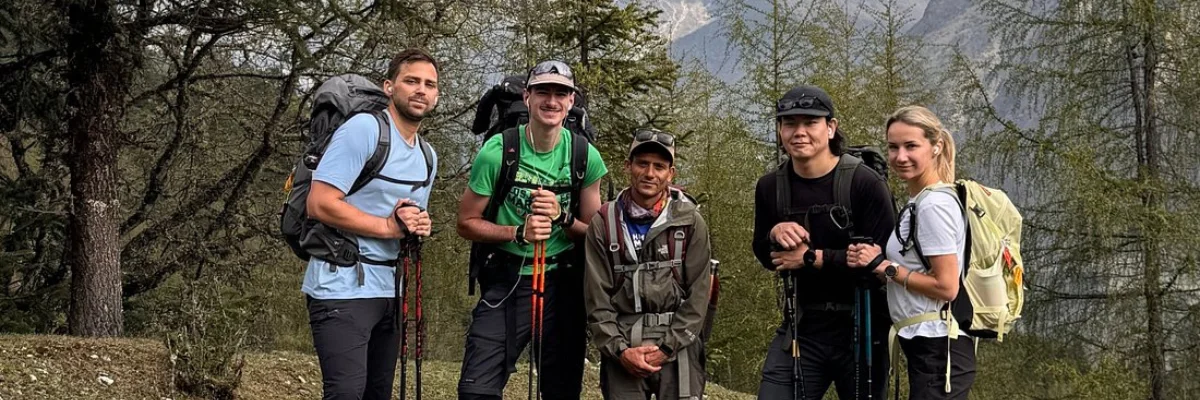
A common question from many trekkers is when they should arrive in Nepal before the trek. The number of buffer days depends on the kind of trek, the location, and the duration of processing.
Organizing a trek in Nepal is a thrilling process. It is crucial that you arrive on time and choose the right path. Most trekkers overlook the importance of buffer days in ensuring a hassle-free trek.
Arriving a few days early can help you avoid missed flights, accommodate potential delays, or address altitude-related issues. The weather in Nepal, flights, and trekking routes is highly unpredictable; therefore, adding extra days before and after your trek can provide flexibility.
No matter where you trek, Everest Base Camp, Annapurna, or Langtang, that additional time will allow you to relax, go explore the gear shops.
Himalayan Masters suggest arriving early to complete pre-trek briefing, documentation, and final gear inspections.
Why Early Arrival Matters
You should arrive in Nepal early before your journey. This is not just a traveling decision, but a brilliant trick which is likely to either succeed your entire trip or not.
The way you do it is by taking the time to prepare physically and mentally. Thanks to the buffer days you have before starting. They also allow you to deal with any potential travel delays, time-zone issues, and last-minute plans.
Acclimatization
The treks at a high altitude get the lighter air. Unless your body has the time to adapt, you can encounter altitude sickness.
Taking an additional day or two in Kathmandu or at a moderate altitude of around 3000 meters is time to acclimate your body.

Such acclimatization days will ensure that your walk is easier and safer, particularly in treks such as Everest Base Camp, Annapurna Circuit, and Manaslu.
Permission and Paperwork Processing
Every trekking area also has a particular permit. Like a National Park Permit, Conservation Area Permit, or Restricted Area Permit. It is always good to get there a day prior to get the paperwork done with your trekking agency.
It can be slowed down by small problems, such as lost passport copies, photos, or an office shutdown. The good news is that formalities will not have any impact on your timetable for the trek.
Gear Check and Shopping
Most trekkers realize they have forgotten the required equipment after getting there. Kathmandu is also home to various trekking shops where one can purchase or even rent good-quality equipment at an affordable price.
Presumption of early arrival allows you to decide before you go to the mountains. Whether your jackets, shoes, and other equipment are alright. You could ensure that nothing is too tight or not working.
Recovery and Rest International Flight
The length of the flight can be tiring, and jet lag only adds to the fatigue. A day or two in Kathmandu will also give your body room to relax, acclimatize to the Nepal +5:45 GMT time zone, and get back on track before you get back to the trek.
You will be less fatigued and better prepared for the trail and help you for before trek recovery.
Pre‑Trek Briefing
When one books through an agency, a pre-trek briefing would be provided. The guide describes the itinerary, the rules of trekking, the safety, and tips on the altitude.
Another benefit is that you are also going to meet other trekkers, a factor that develops comfort and trust prior to the adventure.
Ideal Arrival Time Before a Trek
The time by which you need to be there is determined by the distance and challenge levels of the trek, your fitness, and your travel intentions.
It is never the same thing to all people, but it is always a good idea to have buffer days. This is how to prepare for your trek arrival, depending on the type of trek.
Short Treks (3–7 Days)
In a case of short treks such as the Poon Hill trek, Nagarkot Hiking, or the Helambu trek, two days before the trek is, in most cases, sufficient.

Even shorter hikes do not go very high up, thus there is less need for acclimatization. Those two days can be spent on catching up with your flight, otherwise, gear, and finishing permits.
This leisure time can also be spent visiting the cultural sites of Kathmandu: Swayambhunath, Pashupatinath, or Boudhanath.
Having a buffer day at the end, even on shorter treks, is in case the returning flights to Lukla or Pokhara are delayed by weather.
Moderate Treks (7–14 Days)
In cases of moderate treks like Everest Base Camp, Annapurna Base Camp, or Langtang Valley Trek, the best plan would be 3-4 days prior to the commencement of the trek.
Such hikes exceed 4,000 m in altitude, at which the acclimatization to higher altitudes becomes an issue. The initial days in Kathmandu can be spent on rest, paperwork, and checking the equipment.

In case the trek begins with a domestic airline flight, such as Lukla, there is always the possibility of weather holdups. Having buffer days means that the entire schedule is still on track even in instances where the flights turn up late.
On these days, trekkers tend to hike to nearby locations, Bhaktapur, Patan, or other minor warm-up hikes that will take them around the Shivapuri National Park.
Long or High Altitude Trek (14+ Days)
The long or high altitude treks are normally the treks above 5,000 meters and 14 more days in the duration. These treks include, Gokyo Lakes Trek, Annapurna Circuit Trek combined with Tilicho Lake Trek, Kanchenjunga Circuit Trek and many more.
Since these area can need Restrcited Area Permits and the checking list can be longer than the other short itineraries, make sure to keep 4-v5 buffer days. It will help you with all the gear checkups, health checkups and some shopping around the valley too.

Influencing Factors of Arrival Time
Buffer days are a source of safety, but the number of days also varies depending on various factors. Learning about them can also help you plan long before you are stressed because it is the end of the day.
Difficulty and Altitude of Trek
Difficult routes or high altitudes demand a greater number of preparations. Treks above 5,000 meters, such as Everest Base Camp or Manaslu Circuit, require enough time to adapt to thin air.
Less challenging walks can be found in the lower areas, such as Poon Hill or Ghorepani, and fewer buffer days will be required.
The more difficult a trail is, the sooner you need to get there. This gives a fair time on acclimatizing, testing gear, and taking rest. Even fit trekkers may not get along with fatigue, headaches, or altitude sickness, even without proper preparation.
Permit Requirements
There are numerous permit regulations that Nepal has in various regions of the treks. There are also regions of the country, such as Annapurna or Everest, that are not difficult to get permits to do and take very little time.
Others, such as Manaslu, Upper Mustang, or Upper Dolpo, require special restricted area permits, which can take days to complete.
In case your trek requires permits, it is important to be early. An agency can be associated with additional time required to process the applications, submit documents, and obtain approvals. Any delays in this paperwork are unexpected in your trek buffer days.
Group or Solo Travel
Also important is your style of travelling. Solo travelers might require fewer days to adapt since they make their decisions individually and can change direction at any time.
Extra time is usually needed in groups, couples, or families in terms of coordinating permits, accommodation, and transportation.

The large groups can also be slack-moving based on varied levels of fitness or wearing equipment arrangements. In these situations, additional days will help to make sure that the group has no start-up delays.
Travel Delays
Mountain flights to Lukla, Jomsom, or Ramechhap are extremely dependent on weather conditions. Flight cancellations may occur because of strong winds, mist, or rainfall, particularly in the monsoon and winter.
It is insurance against this kind of delay to have 1–2 trek buffer days prior to your trek. By doing so, should flights get delayed, then your schedule of the trek will not be ruined, and then the trip will commence casually.
Seasonal Considerations
The time of the year you trek also determines the time you need to be in to trek early. When there are peak seasons such as spring (March-May), autumn (September-November).
There will be more permits, flights, and hotels that will be busy, hence additional days will make sure that you are not rushed at the last minute.
Flight flexibility in the off-season may be more relaxed, but the weather is unpredictable, so it may be delayed. The monsoon (June-August) and winter (December-February) seasons might also need to include extra buffer days to be prepared to count on heavy rain, snow, or road conditions.
Pre-trek Activities Kathmandu
Not only is Kathmandu a point of the beauty of the spectacular mountains in Nepal. It is also where you can be ready to go on your hike and learn the culture of the place.
It is possible to utilize your trek buffer days in the capital wisely, and this can make a lot of difference in your trekking experience.
Cultural Sightseeing
Early arrival allows you to explore the rich heritage in Kathmandu as well as the culture before you get to the mountains. You will have an opportunity to see such world-famous UNESCO sights as Pashupatinath Temple, Boudhanath Stupa, and Swayambhunath (Monkey Temple).
Thamel is an area to which one can have a stroll with colorful streets complete with cafes, shopping outlets, and typical Nepalese markets.

These sightseeing days are not the only method to have a relaxed time, but to get used to the local climate, time zone, and even altitude slowly, and it is particularly essential with high-altitude hikes.
Gear Shopping and Testing
Kathmandu is a trekking equipment center. You almost get everything in Thamel and the surrounding places: branded jackets and sleeping bags, trekking poles, high-altitude boots, and so on.
Being early enables you to go shopping without being in a hurry and even try out your equipment before going to the mountain. By way of illustration, you might test on boots during brief city strolls or check jackets in cases of unforeseen climatic variations.
It is also convenient in a situation where you have two or three days to go round comparing the quality and the price of equipment to rent high altitude equipment.
Health Preparation
Time spent on your trek buffer days will also allow you to prepare for your health. Go to a local pharmacy or clinic and obtain specific medicines against altitude sickness, diarrhea, headaches, or minor injuries. It is best to drink lots of water, sleep, eat little, and adapt to local food.
Get the travel insurance checked or make sure of emergency evacuation procedures. These measures might not appear that big, yet they will provide some level of safety and assurance on the journey ahead.
Guide & Porter Meet‑Up
In case you have booked your trek with some agency, then you tend to meet your guide and porter at Kathmandu. Arriving early will give you time to negotiate your plan of the trek, to clear up any uncertainties, and get used to your group.
You can discuss the distances covered every day, the places of rest, your preferences in the diet, or any special needs.
The best way to leave on a trek is to meet your guide and porter so that the journey is not only hustle-free but also that there is trust to share, which could not be guaranteed otherwise.
Travel Arrival Tips
The following are some of the tips that can be beneficial to make the best out of your trek buffer days in Nepal prior to the commencement of your trek:
- Early arrival would have time to get relaxed after the trip abroad and acclimatize to the +5:45 GMT time of Nepal.
- Lukla mountain flights, Jomsom, and Ramechhap flights are usually subject to weather conditions. Additional days save your trek time in the event of cancellations.
- The moderate altitude in Kathmandu allows for gradual acclimatization of your body before proceeding to higher altitudes.
- Meet your guide or agency personnel to check routes, flight schedules, and ground transportation to trailheads.
- Before arrival, you can check the weather in the mountains to get days with less danger to go on with the trek and arrange rest or sightseeing.
- Try on your boots and jackets and all your trekking gear in Kathmandu. Hire out missing gear, such as sleeping bags or trekking poles.
- Take medication for altitude sickness, headache, or minor injuries at a pharmacy/clinic. Drink a lot of water and consume light food to make the adaptation.
- Go through the briefing offered by your agency to be familiar with your itinerary. Know rules on trekking, the number of hours of walking to be undertaken, and emergency measures.
- Make the additional days to visit the heritage places of Kathmandu. Such as Pashupatinath, Boudhanath, or Swayambhunath, a refreshing way to ease the mind and body.
- Talk of food requirements, taking breaks, and walking speed. Before a trekking team goes on the journey, take time to get to know your crew and establish trust and confidence in each other.
Loading...
related post


Author

Swostika is a content writer at Himalayan Masters as well as a travel enthusiast. She loves to travel and learn about different cultures and people. With a love for writing, traveling, and embracing diverse cultures, she is on a journey to explore and inspire through words.


Leave Your Comment