





 October 15, 2026
Will you Lose Weight Trekking in Nepal?
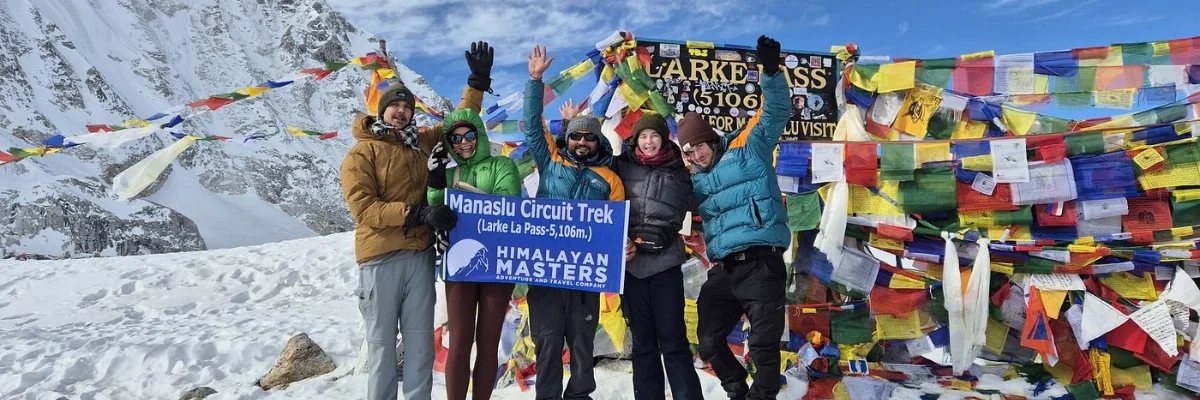
Trekking in Nepal is more difficult than you think. It engages your core and a lot of your energy. If you are trekking for more than 10 to 15 days in Nepal, you are likely to lose a few kg of your weight.
However, if you do not want to lose weight, you can add an extra diet to your diet. For example, you can keep on eating chocolate bars, high-calorie food, and protein while you are trekking in Nepal.
How much weight might I lose while trekking in Nepal?
In the difficult trekking routes, such as the Dhaulagiri Circuit Trek or the Kanchenjunga Base Camp Trek, you will be walking for 7 to 8 hours each day in a very difficult landscape.
Also, these difficult trekking routes require camping, and you can only get limited options for food and drink while trekking in Nepal.
In such a case, you are likely to lose about 3-4 kg in the entire trek, which will last about 20 days. Food availability plays the biggest role if you want to maintain weight while trekking in Nepal.
In Nepal, most of the trekking routes are moderately complex, where you hike for 4 to 6 hours each day. These teahouse treks are great for a comfortable trekking journey, where you will be served with highly nutritious food options.

If you balance your diet well and include some protein and juice, you can complete the trek in Nepal in about 15 to 16 days without losing weight.
However, depending upon how quickly your body reacts to the situation, you might lose 2 to 4 kgs of your weight, but it is not a severe downfall as in the difficult treks.
In the easier trekking route, where you only hike for 3 to 5 hours each day and instead enjoy your vacation in Nepal, you will not lose any weight. Unless you do not like the food served to you or get sick on the mountain trail, you are not going to lose weight in the short treks of about ten days, such as the Langtang Valley Trek or the Mardi Himal Trek.
What Happens if I get sick?
If you experience the symptoms of altitude sickness or any other injury on a high mountain, then healing can be a bit difficult. This entire process can cause you to lose some weight while trekking in Nepal.
Even if you are not seriously sick, your body might be experiencing constant pain or discomfort in breathing, which can cause you to lose appetite and weight.
Some of the trekkers have reported that they have lost 7- 8 KG from the 12-day Everest Base Camp Trek alone. Now, that will not happen if your body lives in the mountains with comfort and relaxation.
However, if you have never been on a trek before and find the journey rather daunting, with your body reacting negatively to the mountain climate, there might be severe weight loss.
The good thing is, if you ever feel discomfort or go through a serious trek injury while you are in Nepal, you can do a Helicopter evacuation and get back to a lower altitude immediately. This might prevent you from gaining more weight loss.
Can Trekking in Nepal Help Me Lose Weight and Build Muscle?
If you are in the process of losing weight or gaining some muscle to tone up your body, hiking in Nepal can be a fun way to do so. If you pick a moderately tricky hiking route with a carefully planned diet and carry some weight on your back, you burn enough calories to lose weight quickly.
So, if you plan to lose a few pounds of your weight quickly, then hiking in Nepal is a great way. Trekking and Hiking also tones your leg muscles.

When you walk about 6 to 8 hours each day and maintain your diet accordingly, you will lose around 7 to 10 kg of weight on a trip of about 14 to 15 days into town.
How do you Prevent Weight Loss While Trekking in Nepal?
On the other hand, if you are worried about losing weight when you travel to Nepal, then we can recommend some tips and tricks by which you will not lose even a single pound of weight when you are trekking in Nepal.
First and foremost, you need to choose an easy trekking route that only involves 3 to 4 hours of hiking every day.
Alternatively, you can also choose the trek route of your preference, such as the Everest Base Camp Trek or Manaslu Circuit Trek and ask your travel agency to customize the trek in such a way that your itinerary does not involve hiking more than 3 to 4 hours in a day.
Not just the distance, but you also need to check that you do not gain more than 300 to 500 meters of altitude in a day. Rapid gain of altitude might bring changes that promote weight loss in some people.
You need to plan your food very strictly during the trek. The most recommended food is Nepalese Dal Bhat, which is rich in carbohydrates, proteins, and vitamins.
Since eating meat is not recommended in the mountain region, you need to eat a lot of pulses and vegetarian alternatives for protein. Pick the food that is rich in carbohydrates and available in large quantities or choose two foods from the menu. You will need extra calories while you are hiking, so there is no need to compromise the calories.
Another key factor in maintaining your weight while you are trekking in the mountains is to check your liquid intake. You will need at least 4 to 5 L of water to keep yourself hydrated at such an altitude.
You can consume a lot of Nepali tea, coffee, and juice as an alternative to water. Alcohol can make you severely dehydrated, which leads to sickness and weight loss in the mountains.
The last and most important factor is getting enough rest. If you feel tired or ill, there is always an option to take a rest day.
How Trekking in Nepal Changes Your Body
Hiking in Nepal causes physical and natural transformation to your body. The combination of long walks, mountain trails, and work at elevated altitudes is effective in boosting fitness and fat burning. The modifications might be painful initially, but your body adapts daily.
Calories are consumed in large quantities per day during trekking in Nepal. Trekker walks an average of 5 to 7 hours a day. This involves climbing uphill, walking downhill, and following irregular paths.
More energy is used in your body than in normal walking on flat roads. Calories are also burned by carrying a backpack. Due to this everyday work, your body begins to use the stored fat as a source of energy.
More higher you climb, the faster your metabolism is. The body requires additional energy to keep warm and active in cold mountain air. The digestion is also slow, and the use of calories also goes up.
Most trekkers lose their appetite as the altitude increases, decreasing calorie consumption further.
Levels of oxygen decrease with altitude. Your body must exert more effort to generate energy. The process aids in burning the body with a lot of fat to achieve energy requirements.
The lungs and heart work harder, and this aids in the burning of fat. This is among the primary factors causing weight loss by trekkers in the Himalayan trails.
Nepal trekking involves the incessant motion of leg, core, and back muscles. Sharp hill climbs make thighs and calves strong. Descents make use of knee and core muscles.
Balance and control of the muscles are enhanced by walking on rocky paths. With time, the body fat decreased, and the muscle tone enhanced.
How Much Weight Do Trekkers Actually Lose?
Weight loss on trekking is based on the duration of the trek, altitude, number of walking hours, and the amount of Nepali food consumed. All the people respond differently, yet most trekkers feel that there is some change.
Weight loss is normally insignificant on short treks. Approximately 1-2 kg is lost by trekkers. This usually occurs because of day walking and eating less. The trek may cause some of the weight to be regained if eating habits change.

Longer walks have more apparent outcomes. A lot of trekkers will lose 2-4 kg in this process. Increased walking time, elevated altitude, and daily activity are some of the factors that burn more calories. The loss of weight is natural and gradual.
The weight loss during long treks at high altitudes can be observed. Trekkers can lose 4-7 kg and even more. Appetite decreases, energy consumption rises, and muscles are exercised daily. During such treks, proper nutrition is needed to be healthy.
Why Everyone Loses Weight Differently
Not all trekkers lose weight in the same manner. Some lose weight quickly, while others do not see any significant change. This relies on numerous individual and bodily aspects.
The age factor will contribute to the body’s response to trekking. Young trekkers tend to consume more calories.

Elderly trekkers can lose weight gradually. Fitness level also matters. Individuals who engage in physical exercise do not gain much weight, since the body is already accustomed to it.
Another important factor is altitude tolerance. Individuals who adapt effectively can maintain normal consumption and have energy reserves. Others may lose their appetite, leading to rapid weight loss.
Can You Avoid Losing Weight While Trekking in Nepal?
Yes, there are ways to reduce or prevent weight loss during a trek. It is all about the right food consumption and prudent planning. You must feed your body in accordance with the energy you use.
Eat in small portions, but frequently. Do not skip breakfast. Dal Bhat is good as it has carbs and protein and is also an energy source.
Add some additional servings that are feasible. Take plenty of fluids to aid in digestion and appetite. Eating healthy can keep one strong and slim.
Bring high-energy snacks at home. They are convenient to carry in the field and help meet caloric requirements. The good ones are nuts, trail mix, protein bars, peanut butter, energy gels, and dried fruits.
Chocolates are also applicable during cold weather. These trekking snacks are used to avoid sudden energy deficiencies.
Protein assists in the preservation of muscle tissue during lengthy walks. Order tea house eggs, soups, and lentils. Recommend adding peanut butter/protein bars. Other trekkers also carry little sachets of protein powder. This helps in recuperating following long walks.
Take your time and do not hurry. Trekking poles will help to ease the strain on the muscles. Crunch in the morning and evenings. Take rest days seriously. Rest and take plenty of food. The practices are beneficial for preserving muscle and reducing muscle loss.
Loading...
Author

Shobita is an SEO expert and a very experienced Content writer. She has been working with Himalayan Masters for over two years and has contributed to us with excellent interactive content and images.


Leave Your Comment