




Best time to trek in Nepal: A Seasonal Guide for Every Hiker
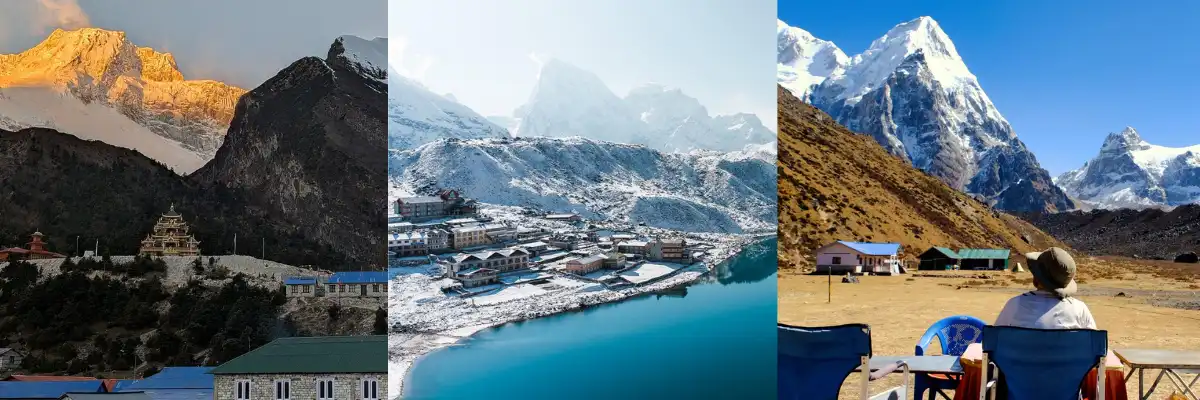
If you are planning an adventure to the roof of the world, your very first question is probably: when is the best time to trek in Nepal?
The short answer is that Autumn (September to November) and Spring (March to May) offer the absolute best time to trek in Nepal. During these months, you get the perfect cocktail of stable weather, crisp skies, and comfortable walking temperatures.
However, the complete answer depends entirely on what you want out of your journey. Do you want to walk through blooming pink forests, or are you chasing crystal-clear mountain photos? Do you want to avoid crowds at all costs, or are you on a tight budget?
Let’s break down Nepal’s trekking calendar so you can pick the perfect window for your bucket-list trip.
Why Autumn Is Nepal’s Premier Trekking Season
Ask any veteran guide, and they will tell you that autumn is the undisputed king of Himalayan trekking. Running from September to November, this window brings the clearest skies of the year. Because the summer monsoon has just washed away all the dust and haze, the mountain views are incredibly sharp and vivid.
Furthermore, the weather behaves itself. Days are generally warm and sunny, while nights are cold but manageable.
Advantages of Autumn Trekking
- Crystal clear mountain views: The skies clear dramatically in late September after months of monsoon rain. You can see Everest, Annapurna, and Langtang with a clear view against blue skies in a way no other season matches.
- Perfect temperatures: Expect 10°C to 20°C at lower elevations and 0°C to 10°C above 4,000m during the day. The days feel ideal for long hours on the trail, though nights at high altitude get cold, so carry warm layers.
- Festival season: Dashain and Tihar typically fall between late September and November, depending on the lunar calendar. Witnessing these celebrations mid-trek is something most trekkers remember long after the mountains.
- Fully stocked teahouses: Teahouses have prepared through the summer months, so comfort and food quality are at their best across all major routes.
Challenges of Autumn Trekking
- Heavy crowds: Popular routes like Everest Base Camp and Annapurna Circuit get genuinely busy in October. Teahouses fill up fast, so book in advance.
- Premium prices: With October being the most expensive month of the year, due to festivals and the beginning of the trekking season. Expect peak season rates for flights, accomodation, and permits.
- Late Autumn cold: Temperatures drop noticeably above 4,000m, and early snowfall can close higher passes toward the end of the season.
- Permit delays: Sort all paperwork well before your departure date, as processing slows at the Department of Immigration during peak demand.
Why Spring Is One of Nepal’s Most Popular Trekking Seasons
Right behind autumn is spring, lasting from March to May. If autumn is known for its clear views, spring is celebrated for its incredible bursts of color and lively energy.
Advantages of Spring Trekking
-
The Rhododendron Explosion: This is the absolute best part. The national flower takes over the hillsides around the Ghorepani Poon Hill region, coating them in beautiful shades of red, pink, and white.
-
Warmer High Passes: With the sun shining brighter, the thick winter ice begins to clear. High-altitude passes like Thorong La and Cho La become much warmer and safer to cross compared to the bitter winter season.
-
Lively Atmosphere: Spring is the primary climbing season for Mount Everest. Staying at base camp or passing through nearby villages connects you directly to the buzzing energy of international climbing expeditions.
Challenges of Spring Trekking
- Afternoon Haze: While the mornings are typically beautiful and clear, clouds and atmospheric dust tend to build up by the afternoon, which can sometimes obscure the long-distance mountain views.
- Unpredictable Rain Showers: As the season transitions toward summer, you can expect occasional late-afternoon thunderstorms or high-altitude snow flurries.
How to Avoid Crowds During Peak Season
Because autumn offers such perfect conditions, classic routes like Everest Base Camp (EBC) and the Annapurna Circuit get incredibly busy. If you want those pristine views without the heavy tourist crowd, you just need to alter your strategy:
- Take the Side Trails: Instead of the main EBC Path, opt for the breathtaking Gokyo Lakes trek. It shares a lot of the same scenery but sees a fraction of the foot traffic.
- Go Remote: Choose restricted, off-the-beaten-path regions like Manaslu Circuit or Kanchenjunga. Strict permit rules and mandatory guide requirements keep these trails quiet and free from large crowds.
- Tweak Your Timing: Consider starting your trek at the very end of November. It gets noticeably colder, but the trails empty out significantly while the skies remain perfectly blue.
- Hire a Local Guide: When the main route gets congested, they simply take you a different way. More importantly, navigating unfamiliar mountain terrain alone can be highly risky. A local guide keeps you safe, informed, and moving in the right direction throughout the journey.

Is Trekking During Monsoon Actually Worth It?
Most guidebooks will tell you to completely avoid the monsoon season. But if you look closer, you’ll find that it offers a highly unique, deeply rewarding experience if you know exactly where to go. Trekking during this time gives you completely empty trails, incredibly lush, green landscapes, and a firsthand look at traditional farming life in full swing.
That being said, it is certainly not a walk in the park. You will have to deal with wet gear, muddy trails, and a lot of humidity at lower elevations.
Understanding Nepal’s Monsoon System
The monsoon lands in Nepal around mid-June and runs through early September. It isn’t usually a non-stop, 24-hour downpour. Instead, moisture-heavy winds blow in from the Bay of Bengal, creating a pattern where mornings are often clear, followed by heavy rainfall in the afternoons and nights.
Which Areas Receive the Most Rain?
The lower mountain slopes take the biggest hit from the rain. Regions like Pokhara and the Annapurna foothills get incredibly wet, which means the low-altitude trails quickly become a muddy mess.
Why Upper Mustang Is Nepal’s Best Monsoon Trek
So, how do you skip the rain completely?
You head straight into the rain shadow. Because the massive walls of the Annapurna and Dhaulagiri mountain ranges physically block the monsoon clouds, the areas right behind them stay dry.
This makes Upper Mustang and Upper Dolpo perfect for a summer trek. Instead of slipping in the mud, you get to explore a beautiful, wind-carved desert landscape under bright, sunny skies.

Why Winter Is Nepal’s Most Underrated Trekking Season?
Spanning from December to February, winter is heavily overlooked by foreign travelers. Yes, it gets incredibly cold at high altitudes, but if you pack the right layers, winter rewards you with the most stable, cloudless blue skies of the entire year.
The air is completely crisp, the mountain views are flawlessly sharp, and you will have popular viewpoints completely to yourself. It is a peaceful, silent version of the Himalayas that few tourists ever get to experience.
Seasonal Challenges and How to Handle Them
Every season in the Himalayas throws unique obstacles your way. Staying safe simply comes down to knowing what to expect and preparing your gear accordingly.
Altitude Sickness Across Different Seasons
Cold winter temperatures force your body to work much harder to stay warm, which can compound the effects of low oxygen. No matter the season, pace yourself, climb gradually, and drink at least 4 liters of water every single day.
Snowstorms (Winter/Early Spring)
Heavy snowfall can completely bury trail markers and block high passes like Thorong La. Always hire a local guide who knows the terrain by heart and never attempt to cross a high-altitude pass during a storm.
Rainstorms and Landslides (Monsoon)
Heavy rain causes unstable hillsides to slide, particularly at lower elevations. Keep your itinerary flexible, track local weather warnings, and wear sturdy boots with deep treading to handle slick mud.
River Crossings (Monsoon)
Glacial rivers get incredibly high and wild during the summer rainy season. Never try to wade through fast-moving, knee-deep water. It is always safer to use the suspension bridges, even if you must walk a little further out of your way to reach one.
Flight Delays (Winter/Monsoon)
Thick winter fog or heavy monsoon clouds regularly ground mountain flights into airports like Lukla. Always add 2 to 3 buffer days into your travel itinerary so a delayed flight doesn’t cause you to miss your international connection home.
Cold Temperatures and Strong Winds (Winter)
At elevations above 4,000 meters, winter temperatures easily plummet well below freezing. Invest in a high-quality down jacket, pack a 4-season sleeping bag, and wear a windproof outer shell.
Tea house Closures (Winter/Monsoon)
During the off-season, many tea house owners lock up and head down to lower towns or cities. Make sure your guide calls ahead to confirm that food and lodging options are actually open along your route.
Group Safety Dynamics
Traveling with a group or an experienced guide provides an essential safety net when navigating unpredictable mountain elements. They offer extra eyes on the trail and immediate help if a teammate falls ill or gets hurt.

Best Time to Visit Nepal Based on Your Trekking Goals
To help you visualize the year at a glance, here is a quick breakdown of the best time to trek in Nepal based on what you want to achieve:
| Trekking Goal | Best Month | Why This Is the Sweet Spot |
| Mountain Views | October – November | The cleanest air and sharpest, most reliable horizon views. |
| Photography | November & December | Perfect, crisp light with virtually zero cloud interference or dust haze. |
| Rhododendron Forests | March – April | Low to mid-elevation hills completely explode in red and pink blooms. |
| Wildlife Spotting | March – May | Animals emerge as winter recedes; great for spotting birds and mountain goats. |
| Cultural Experiences | September – October | Aligns with Dashain and Tihar, Nepal’s biggest, most vibrant festivals. |
| Budget Trekkers | December – February | Tea houses are quiet, making it much easier to negotiate lower room rates. |
| Avoiding Crowds | June – August (Rain Shadow) | Zero trail traffic in stunning mountain deserts like Upper Mustang. |
| Peak Climbers | April – May | The crucial, stable weather window required for scaling major peaks. |
Nepal does not have a bad season for trekking; it just has different ones. Spring rewards you with colorful forests and clear skies. Monsoon surprises you with solitude and fresh green valleys. Autumn delivers the best of everything. Winter strips it all back to something quieter and raw. Pick the season that matches what you are chasing, prepare for it properly, and Nepal will deliver every single time.
Loading...
related post


Author

Swostika is a content writer at Himalayan Masters as well as a travel enthusiast. She loves to travel and learn about different cultures and people. With a love for writing, traveling, and embracing diverse cultures, she is on a journey to explore and inspire through words.


Leave Your Comment