




Winter Hiking in Nepal: Best Trails and Useful Tips
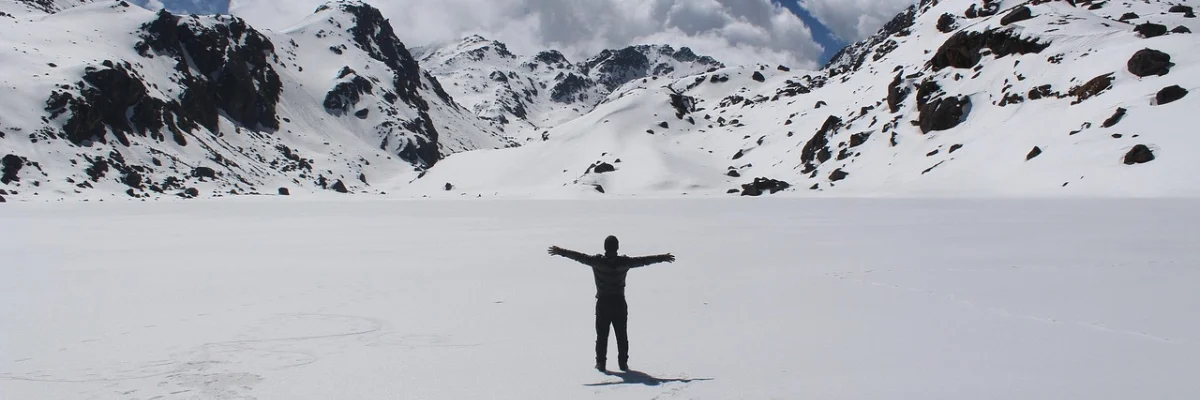
Most people do their hiking or trekking adventure during favorable seasons where both safety and scenery are guaranteed, but winter hiking is different.
Winter hiking is not just walking through the snow and facing coldness; it’s about seeing nature in its quietest, and purest form. Imagine walking through snowy trails, frozen waterfalls, and forests full of silence.
It’s peaceful, magical, and totally different, but it also comes with some challenges. Some people just don’t like regular experiences, and for them, winter hiking is best. It comes with thrill, fun, and a different experience.
What is Winter Hiking?
Winter hiking is different than regular hiking. It is an activity of trekking or walking on trails during the winter season when trails are covered with snow or ice.
It’s colder and sometimes tougher with challenges like altitude sickness and snowstorms. You will need proper preparation, warm clothes, better grip shoes, and awareness of the weather and daylight.
If you take up winter hiking in Nepal, you will get to see how people in the mountains live during winter. During winter, the trails are less crowded, the wildlife is different, and the atmosphere feels calm and untouched.

But you can face challenges like slippery paths, extreme temperatures, and shorter daylight hours. You must prepare properly with warm clothes, gear like crampons, gaiters, and trekking poles, and emergency essentials.
Winter hiking is not for everyone since it requires strong fitness and a proper mindset. It’s perfect for people who love solitude, snow, and adventure and are ready to explore nature in its rawest form.
For Whom is Winter Hiking Best?
Winter hiking is not for casuals and beginners; it’s for people who enjoy challenges, stillness, and a deep connection with nature. It’s perfect for experienced trekkers who have already done popular treks like Manaslu Circuit and Everest Base Camp in peak seasons and now want something more challenging and quieter.
It’s also best for photographers since the light is clear, the air is crisp, and the snow adds magic to every shot. You get clean mountain frames, frozen lakes, and golden sunrises without crowds.

Since winter hiking comes with challenges, it thrills adventurers who don’t mind snow, cold winds, and icy trails. A true adventurer loves pushing limits, and that’s what you often do while trekking in off-season or winter.
It is also best for cultural travelers; winter is a great time to explore Tamang, Gurung, or Magar villages. It’s off-season, so local life is more relaxed and authentic. Especially, in Ghandruk village, while doing the Annapurna Base Camp trek.
Best Winter Hiking Trails in Nepal
The best winter hiking trails in Nepal offer magical scenery, cultural immersion, and adventure.
Ghorepani Poon Hill Trek
The Ghorepani poon hill trek can be done in the Annapurna region of Nepal. The highest point of this trek is 3210 meters at poon Hill. The path climbs through rhododendron forests and stone steps.
The terrain is full of stone stairways and some icy patches in winter. It’s very cold in the morning and evening, and the air is crisp. The highlight of this trek is watching the sunrise, where you have breathtaking views of Annapurna and Dhaulagiri.
The challenges in this trail are slippery steps, short daylight hours, and cold nights. The best thing about this trek is fire-warmed teahouses, chats with villagers, and starry skies.
Winter hiking can be challenging here, so wear grippy shoes, layer well, and move early in the day. Visiting small Gurung and Magar villages and trying local food with warm hospitality will give you a full cultural immersion.
Mardi Himal Trek
Mardi Himal is another trek you can do in the Annapurna region of Nepal; it is quieter and raw. You will be going through forests and high mountain ridgelines on muddy trails, rocky steps, and open alpine slopes.
The challenge on this trail is icy ridges above high camp and colder nights. Lower forests are comfortable, while higher altitude sections open to panoramic snow-covered valleys.

Safety means starting early to avoid slippery descents in the shade. Teahouses are simple but welcoming, offering firewood stoves and hearty dal bhat.
Cultural experiences in Mardi Himal Trek include meeting Gurung families in villages like Sidhing and Lwang, where winter farming continues and life slows down.
Langtang Valley Trek
The Langtang valley trek during winter is best for those who prefer a quieter and serene trekking experience. The highest altitude on this trek is 3870 meters at Kyanjin Gompa and offers crystal clear sky views and snowy peaks surrounding the valley.
The trails are moderate, but snow and frost may appear near Kyanjin. The fun experiences you can have in this trek are tasting yak cheese, day hikes to Kyanjin Ri, and crossing frozen streams.
Winter hiking already comes with a lot of risks, including freezing cold at night, which requires warm sleeping bags, and icy trails, which require good grip shoes and crampons.
The Tamang culture is rich here with stone houses, prayer wheels, and winter gatherings. You will see daily life like cattle feeding and weaving, making the trek not just scenic but deeply cultural.
Khopra Danda Trek
The maximum altitude in this is 4750 meters (15,584 ft) at Khayer lake, and this trek also lies in the Annapurna region of Nepal. With fewer crowds and breathtaking views of Annapurna, Dhaulagiri, and Nilgiri mountains.
The challenge here is exposed ridges that can get windy and icy. The best part of Khopra Danda trek is the trip to Khayer Lake, if time allows, and watching the stars under a crystal-clear sky.
Safety is a must, which includes layers of clothing and microspikes for icy areas. In terms of culture, the villages of Swanta and Ghorepani stand out.
In there, you will be invited into Magar family homes, where you will be preparing warm meals for them. Farming is quiet in winter, so locals have time to chat and share winter snacks like roasted corn.
Tamang Heritage Trail
The Tamang Heritage Trail lies in the Langtang region of Nepal. The highest point in this trail is Nagthali Gyang at an altitude of 3,165 meters (10,383 feet).
There is winter hiking you can do in Nepal with moderate hiking and minimal snow except on higher ridges. The things that you must do in this trek are soaking in Tatopani hot spring, joining local winter festivals, tasting homemade Tamang foods, and observing the Tamang people’s way of living.
There is no such risk as long as you take the necessary precautions. Villages like Gatlang and Thuman give authentic Tamang hospitality, where you’ll sit by the fire, drink butter tea, and listen to stories of Himalayan trade routes.
The scenery blends snowy peaks with traditional stone-roofed houses, perfect for winter photography.
Chisapani – Nagarkot Short Hiking
Chisapani Nagarkot is a short hike near Kathmandu valley, and the highest point of this hike is 2,175 meters (7,136 feet). It is also perfect for a beginner trekker as there is no heavy snowfall.
The highlight of this trek is observing sunrise from the Nagarkot viewpoint, where Himalayan peaks stretch from Annapurna to Everest. The route passes through Tamang and Newar villages, offering cultural stops for local snacks like Sel Roti and millet beer.
Safety is easy with proper footwear and warm clothes. The trek blends nature, rural life, and easy access to city comforts, making it a relaxing winter escape with crisp air and golden evening views.
Helambu Trek
The Helambu trek in the Langtang region is 6-day trek with maximum altitude reaching 3650 meters at Tharepati Pass. Winter here is mild compared to higher treks, though frost and light snow may appear on passes.
The challenge is cooler nights and some steep climbs. Fun comes from visiting monasteries, crossing small suspension bridges, and meeting Hyolmo people.
The trail offers wide Himalayan views, especially clear in winter skies. Safety involves layering well and starting early to enjoy daylight. Cultural immersion is deep; you will see winter farming, Buddhist rituals, and traditional wooden homes.
Villages like Sermathang feel warm and welcoming, with steaming thukpa and butter tea served beside wood fires.
Benefits of Winter Hiking in Nepal
Winter hiking is more than just a cold-weather challenge; it’s the best way to see nature at its rawest. With the right preparation and mindset, winter hiking rewards you can’t find in summer.
- Fewer crowds on the trail offering peace and a private trekking experience
- Clear mountain views with crisp winter air and less haze.
- Unique snowy landscapes that transform familiar trails into new adventures.
- Rich cultural immersions as locals have enough time to share stories during the off-season.
- Cooler temperatures make hiking more comfortable for long climbs.
- Wildlife spotting is easier as animals move closer to villages in winter.
- Lower travel costs for accommodation and sometimes permits.
- Better photography conditions with sharp light and snow-covered scenery.
- Common monsoon hazards are absent in winter, like less risk of landslides and leeches.
Challenges of Winter Hiking in Nepal
Winter hiking is exciting and adventurous, but at the same time, there are a few challenges too. Knowing what to expect is key to staying safe and making the most of the winter season.
- Cold temperature can be the main issue even at lower altitudes, and nights can drop below freezing. Higher altitude villages can hit -15°C or colder.
- Shaded paths and high passes often have hard ice, requiring micro spikes or careful footing.
- Sudden weather changes can happen as clear skies can turn into snowstorms quickly, especially above 3000 meters (9842 ft).
- Fewer open teahouses, in remote areas, some lodges close in winter, making planning and reservations important.
- Paths and signs can be hidden under snow, which increases the risk of getting lost.
- Shorter daylight hours during winter making
- Cold weather can worsen altitude sickness symptoms like fatigue, making acclimatization even more important.
Tips for Safe and Comfortable Winter Hiking
Cold weather, icy trails, and shorter days mean you need to think ahead, prepare well, and make safety your top priority. Following these tips will help you stay warm, comfortable, and confident on the trail.
Layer Up Smartly
Use a moisture-wicking base layer, insulating mid layer, and windproof outer shell to stay warm and dry.
Start early and finish early because the days are shorter, and complete your trek during daylight. Avoid the coldest evening hours and the risk of getting lost in the dark.
Stay Warm at Night
Keep yourself warm with a high-quality sleeping bag rated for sub-zero temperatures and an insulated sleeping mat to prevent heat loss. You can also stuff a bottle with warm water in your sleeping bag.
Stay Hydrated and Eat Well
Drinking warm fluids and eating high-protein and carbohydrate-rich foods will keep your body fueled and warm.
Use Crampons or Microspikes When Needed
Use crampons or microspikes when needed to improve traction on icy or packed-snow sections and prevent dangerous slips.
Protect Your Skin & Eyes
Apply sunscreen and wear UV-protective sunglasses to guard against snow glare.
Know the Signs of Cold-Related Illness
Watch out for symptoms of altitude sickness like headache, blurry vision, and nausea, hypothermia symptoms like shivering, confusion, and slurred speech, and frostbite starts with numbness or pale skin on fingers, toes, or nose. Recognize these early and act fast.
Choose the Right Route
Opt for moderate-altitude trails with reliable teahouses like the Annapurna Base Camp trek. Lower passes and valley treks are safer than exposed high passes in winter
Stay Updated on Weather & Trail Conditions
Winter weather can change within hours. Ask locals, check forecasts, and watch the sky for early signs of storms.
Hire an Experienced Local Guide
In winter, guides can help find safe detours, spot hazards, and navigate unmarked snow-covered trails.
Avoid high passes
Avoid high passes like Thorong La, Larkya La, or Renjo La unless you have serious winter trekking experience and proper alpine equipment, as these routes can be life-threatening in deep snow or storms.
What to Expect on the Trail in Winter?
Winter hiking in Nepal is a combination of beauty and challenge. The trails are quieter with fewer trekkers, which gives you more space and solitude.
The paths are often less crowded, giving you more solitude and space to enjoy nature. At lower elevations, trail conditions may be dry or light frost early in the day, but as you go higher, you may encounter packed snow or ice.
In the mornings and evenings, expect cold, which will drop below freezing at altitudes over 3000 meters. During the day, it is usually fine in the sun for hiking, but in the shade, you’ll encounter ice and slipperiness.
Streams in high areas may freeze, so water sources can be limited. Many teahouses will keep their doors open on the main routes, but in more remote areas, some will shut down for the season, which is why it is best to plan ahead.

Food menus may be simpler in winter, as supplies are harder to transport. Wildlife such as the Himalayan monal, musk deer, and pheasants are more visible at this time as they migrate to lower altitudes.
The air is cleaner, and skies are often cloudless, giving you some of the best views of the year. However, days are shorter, so starting early is key. With the right preparation, winter trails feel peaceful, magical, and unlike any other trekking season in Nepal.
Loading...
related post


Author

Bryan BK is a storyteller at heart and an adventurer by soul. As a passionate writer and traveler, he finds inspiration in the places he visits and the people he meets. Through his words, he brings destinations to life, sharing experiences that inspire others to explore, dream, and discover.


Leave Your Comment