




15 Must Know Manaslu Circuit Trek Tips and Tricks
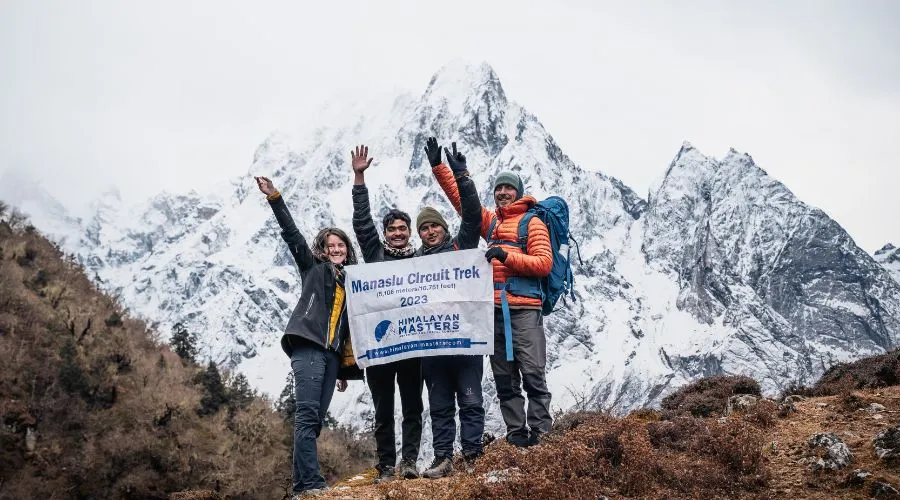
The Manaslu Circuit Trek takes you through remote mountain villages, forested valleys, Buddhist settlements, and high-altitude terrain before crossing Larkya La Pass at 5,106 meters (16,752 feet). The trek requires careful preparation because facilities become limited as you gain altitude, and weather can affect travel plans.
Located in Nepal’s Gorkha District, the route passes through the Manaslu Conservation Area and connects with the Annapurna Circuit route near Dharapani. Most itineraries take around 13 days on the trail, excluding travel to and from the starting point.
These 15 Manaslu Circuit Trek tips cover what to check before booking, how to prepare for the trek, and what to keep in mind along the route.
Manaslu Circuit Trek Tips for Booking and Preparation
Even more than being on the journey, preparing for the journey is crucial. The success of your journey depends on how well-prepared you are. It is important to know about the cost of the trekking package and if it includes everything you need for the trek. Further, things you have packed, information on the weather, terrain, etc., are equally important.
1. Choose a Government-Registered Trekking Agency
The Manaslu Circuit is a restricted-area trek. Foreign trekkers must arrange the required permits through an authorized trekking agency and travel with a licensed trekking guide. Choosing a government-registered trekking agency helps ensure that the necessary arrangements are handled correctly.
Before booking, check the agency’s registration, experience in the Manaslu region, and the qualifications of its guides. Ask how the agency handles emergencies, route changes, and evacuation arrangements.
Solo Permit Rules Update 2026!
Nepal relaxed its restricted-area permit rules in March 2026, allowing individual travellers to obtain permits without the previous minimum group size of two. This change does not allow independent trekking without a licensed guide and registered agency.Also, confirm your porter’s workload before departure. A common working limit is around 26 kg (57 lbs) per porter, including the bags they carry.

2. Compare Itineraries from Two or Three Agencies
Manaslu trekking packages differ in duration, accommodation, meals, transportation, and acclimatization arrangements. Comparing two or three detailed itineraries helps you understand what you are paying for.
Check the number of walking days, planned overnight stops, and rest days. Make sure the itinerary allows gradual altitude gain before reaching Samdo, Dharmasala, and Larkya La Pass.
Be cautious about itineraries that shorten the trek by removing acclimatization time or scheduling long walking days without a clear reason. A lower package price is not necessarily better if essential services are excluded.
3. Confirm What Your Trekking Package Includes
Ask for a written breakdown of the services included in your package before making a payment. Do not rely on the phrase “all-inclusive” without checking the details.
Confirm the following:
- Permits: Which trekking permits and entry fees are covered?
- Meals: Are breakfast, lunch, and dinner included throughout the trek?
- Accommodation: Are teahouse stays included, and what room arrangements are expected?
- Transportation: Is the journey between Kathmandu and Machha Khola by local bus, shared vehicle, or private jeep?
- Guide and porter: Are their wages, meals, accommodation, insurance, and transport covered?
- Equipment: Are sleeping bags, down jackets, or other trekking gear available for use?
- Additional expenses: Are hot showers, device charging, Wi-Fi, drinks, and personal snacks included in the trekking package, or are they charged separately?
Note:
Read the cancellation and refund policies as well. Ask how additional accommodation or transport costs will be handled if weather, landslides, or other disruptions affect the itinerary.
4. Check Weather Forecasts and Natural Disaster Alerts
Landslides, floods, heavy rainfall, and snowfall can disrupt travel in the Manaslu region. The risk depends on season and location, particularly along lower river valleys during the monsoon and around high passes during winter months.
Before leaving Kathmandu, check current weather forecasts, road conditions, and official advisories. Ask your trekking agency whether the road to Machha Khola and the trail ahead are operating normally. During the trek, follow updates from your guide and local authorities.
Keep some flexibility in your itinerary. If a trail or road becomes impassable, wait for reliable information and follow your guide’s instructions instead of trying an unverified alternative route.

5. Train Before the Manaslu Circuit Trek
You do not need technical mountaineering skills for the standard Manaslu Circuit route, but you should prepare for several consecutive days of walking. Most trekking days involve approximately five to seven hours on varied terrain, with longer days around Larkya La Pass.
Start preparing six to eight weeks before departure, or earlier if you are not accustomed to regular exercise.
- Walking or hiking for progressively longer periods.
- Climbing stairs or walking uphill to build leg strength.
- Cycling, swimming, or jogging to improve cardiovascular fitness.
- Practicing with your trekking boots and a loaded daypack.
- Taking longer hikes on consecutive days to prepare for repeated walking.
Note:
Increase your training gradually and allow time for recovery. Fitness helps you manage the physical demands of the trek, but it does not prevent altitude sickness.
6. Buy Travel Insurance That Covers High-Altitude Trekking
Travel insurance is an important part of preparing for the Manaslu Circuit Trek. Standard policies may exclude trekking above certain elevations or fail to cover helicopter evacuation. Read the policy exclusions carefully.
Before purchasing a policy, check whether it covers,
- Trekking up to at least 5,106 meters.
- Emergency medical treatment.
- Helicopter evacuation when medically necessary.
- Repatriation, if required.
- Trip interruption or cancellation, where available.
Note:
Keep your policy details, emergency contact numbers, and passport information accessible during the trek. Share a copy with your trekking agency or an emergency contact at home.
7. Prepare Your Packing List and Trekking Documents
Pack according to the season, expected temperatures, and your itinerary. Conditions changes considerably between the warmer lower valleys and the cold, exposed terrain in upper valleys, especially near Larkya La Pass.
Carry your passport, copies of your permits, travel insurance details, and emergency contacts. Your agency will generally arrange the trekking permits, but you should know which documents you need to carry.
Avoid over packing, if you hire a porter, confirm the weight limit and whether your day pack counts toward the porter allowance. Keep valuables, medication, water, snacks, and warm clothing in your own daypack.
Manaslu Circuit Trek Tips for the Trail
8. Carry Enough Nepali Cash
Do not rely on ATMs, card payments, or digital wallets during the Manaslu Circuit Trek. Arughat Bazaar is the last reliable place to withdraw cash before continuing toward Machha Khola.
Beyond this point, ATM access is unavailable, and poor network coverage makes digital payments unreliable. Most teahouses accept cash for personal expenses.
Withdraw cash or exchange money in Kathmandu before travelling to Machha Khola. Carry enough Nepali rupees to cover drinks, snacks, hot showers, device charging, Wi-Fi, tips, and other expenses not included in your trekking package.

9. Learn about altitude and learn the Symptoms
Altitude sickness can affect anyone, regardless of age or physical fitness. The risk increases as you ascend, especially when you gain elevation too quickly or sleep at higher altitudes without sufficient adjustments.
Early symptoms of Acute Mountain Sickness (AMS) include headache, nausea, dizziness, fatigue, and reduced appetite.
Tell your guide promptly if you develop symptoms rather than trying to push through them. Discuss altitude medication with a qualified healthcare professional before the trip.
10. Drink Regularly and Treat Your Drinking Water
Drink water regularly throughout the trek to prevent dehydration. Increase your water intake in the lower sections of the trail, where you may lose more fluid through walking and warmer temperatures.
As you gain altitude, colder weather and reduced thirst can make you drink less, so maintaining a good intake from the lower elevations helps you stay hydrated as you ascend.
Use boiled water from teahouses whenever available. Always carry water treatment tablets so you can safely treat water from streams when needed.
Never drink directly from a stream, even if you see local people drinking from it. The water may contain microorganisms that can cause illness and may not be suitable for visitors.
11. Choose Meals That Support Your Energy
Dal Bhat is the staple meal on the Manaslu Circuit and provides a good source of energy for long walking days. Food choices are generally more varied in the lower sections, while options become more limited as you gain altitude.
At higher elevations, altitude can reduce your appetite, but your body still needs enough food to support the day’s walking. Even when you do not feel hungry, try to eat regular meals and eat enough food to maintain your energy.
Save some snacks such as protein bars, nuts, dried fruits, and chocolate for the upper sections. Many trekkers finish their snacks early in the trek and have little left when they need them most. Keep some aside for side trips around Samagaun and Samdo and especially for the long Larkya Pass day.
Avoid alcohol while ascending. It can affect your sleep and make it harder for your body to adjust to increasing altitude.
12. Walk at a Steady Pace and Get Enough Rest
Walk at a comfortable, steady pace rather than trying to rush. The Manaslu Circuit has long walking days, steep climbs, and changing elevations, so conserve your energy throughout the trek.
Take regular breaks, eat properly, and get enough sleep each night. If you feel unusually tired, slow down and inform your guide rather than pushing yourself.
13. Keep Essentials in Your Daypack
A porter may walk at a different pace from the trekking group, so your main luggage might not be available throughout the day.
Carry the items you need between villages in your daypack, including:
- Water and snacks
- Passport and essential documents
- Personal medication and a small first-aid kit.
- Sunscreen, sunglasses, and lip balm.
- Waterproof jacket and an insulating layer.
- Phone, power bank, and headlamp
- Cash and other valuables.
Note:
Keep electronics and important documents in waterproof bags. Pack your daypack the night before so you do not have to reorganize your luggage before an early start.
14. Respect Local Customs and Take Care of Personal Hygiene
Respect local customs when visiting villages, monasteries, chortens, mani walls, and other religious sites along the Manaslu Circuit.
Follow the practices observed by the local community and ask if you are unsure about what to do.
Walk clockwise around mani walls, chortens, and prayer wheels. Ask for permission before photographing local people, especially monks and villagers.
Most teahouses are family-run businesses, and their kitchens may follow a traditional household setup rather than a commercial restaurant. Ask for permission before entering the kitchen and remove your shoes before entering. The same applies when entering monasteries or other religious spaces where footwear is not permitted.
15. Allow Extra Days for Weather and Travel Delays
Do not schedule your return international flight immediately after your expected arrival in Kathmandu. Weather, landslides, snowfall, and trail conditions can also change your trekking schedule.
Larkya La Pass is especially sensitive to conditions because of its elevation and exposure. Keep one or two additional days in your wider Nepal itinerary.
These days provide flexibility if you need to wait for safer conditions, change transport arrangements, or recover from a demanding trekking day.
Do not treat your buffer days as a reason to continue through unsafe conditions. If your guide recommends delaying a pass crossing or changing the itinerary, prioritize safety over your original schedule.
What to Expect During the Manaslu Circuit Trek with Himalayan Masters
Himalayan Masters arranges guided Manaslu Circuit Trek packages with accommodation, meals, permits, transportation, and trekking staff according to the selected itinerary.
Before booking, review the itinerary and written inclusions so you understand what is covered and which personal expenses remain your responsibility.
Ask about the guide’s experience, porter arrangements, acclimatization schedule, and emergency procedures.
Anything else you wanna know about Manaslu Circuit Trek Tips? Contact us at Himalayan Masters for more information.
Loading...
related post


Leave Your Comment
Author

Shobita is an SEO expert and a very experienced Content writer. She has been working with Himalayan Masters for over two years and has contributed to us with excellent interactive content and images.


COMMENT(1)